ADVERTISEMENT

ADVERTISEMENT

ADVERTISEMENT

ADVERTISEMENT
Updating your news feed...

NEWS EXPRESS is Nigeria’s leading online newspaper. Published by Africa’s international award-winning journalist, Mr. Isaac Umunna, NEWS EXPRESS is Nigeria’s first truly professional online daily newspaper. It is published from Lagos, Nigeria’s economic and media hub, and has a provision for occasional special print editions. Thanks to our vast network of sources and dedicated team of professional journalists and contributors spread across Nigeria and overseas, NEWS EXPRESS has become synonymous with newsbreaks and exclusive stories from around the world.
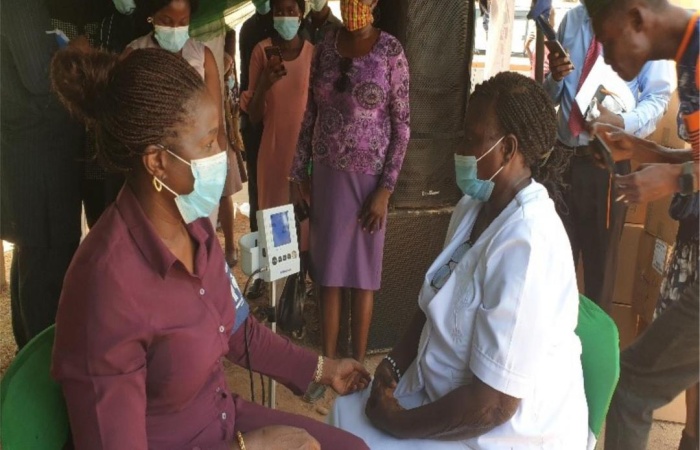
In this report, ODIMEGWU ONWUMERE unearths that today, the emergency phase of COVID-19 is over, but the lessons remain – weather doesn’t solve pandemic. The article reveals how poverty, weak healthcare, and poor awareness can turn manageable illnesses into national tragedies. The article hypes that despite the challenges, COVID-19 also forced Nigeria to confront non-communicable diseases that had long been ignored while attention focused on malaria and cholera.
When COVID-19 reached Nigeria in early 2020, many dismissed it as a “disease for rich countries.” Within months, hospitals in Lagos, Abuja, and Kano were telling a different story—crowded wards, fear, and rising deaths among people already living with high blood pressure and diabetes.
For traders, teachers, and fathers managing chronic illnesses in silence, COVID-19 wasn’t just another virus. It became a death sentence. Doctors quickly noticed the pattern: the patients who struggled most often had hypertension or diabetes. Many couldn’t breathe. Others collapsed within days. Recovery was slower, costlier, and for some, never came.
Nigeria entered the pandemic already carrying a heavy burden of non-communicable diseases. Millions live with high blood pressure without knowing it, while Type 2 diabetes keeps rising due to poor diets, stress, and limited access to care. In crowded cities, a routine checkup is a luxury, and symptoms are often ignored until it’s too late.
When COVID-19 arrived, those hidden conditions became deadly weaknesses. Data from Lagos showed that among COVID-19 patients with comorbidities, 74.2% had hypertension and 30.3% had diabetes. People with diabetes were 3.69 times more likely to die, and those with hypertension had 2.21 times higher odds of death.
Doctors say it comes down to biology. “People with diabetes usually have weaker immune systems. High blood sugar increases inflammation, making it easier for the virus to damage organs,” explains Dr. Akin Osibogun, a public health physician at the University of Lagos. For hypertensive patients, the danger was worse because COVID-19 attacks the blood vessels, heart, and lungs—areas already under strain.
Inside isolation centres, health workers described panic and exhaustion. Some patients arrived late after trying self-medication or local remedies. By the time they reached hospitals, oxygen levels were dangerously low. Lockdowns made things worse. Diabetes and blood pressure drugs became unaffordable, and transport restrictions stopped many from getting to hospitals. Treatment was skipped for weeks.
Families carried the emotional weight too. Relatives couldn’t visit loved ones in isolation wards, and funeral gatherings were restricted. In some communities, survivors faced stigma even after recovery.
“People with chronic illnesses were trapped between fear of infection and fear of hunger during lockdowns,” said Dr. Matshidiso Moeti, WHO Regional Director for Africa.
The pandemic also’exposed cracks in Nigeria’s health system. Oxygen shortages, few ICU beds, and limited testing centres showed how unprepared the country was. Rural areas suffered most, with few hospitals or specialists nearby. Across sub-Saharan Africa, 59% of countries saw disruptions to hypertension care and 56% to diabetes care during COVID-19.
Research later confirmed what doctors saw on the ground. A WHO analysis of 13 African countries found COVID-19 was four times deadlier for people with diabetes than for those without. In Lagos, a study found hypertensive patients had nearly 4 times higher risk of severe illness and 7 times higher risk of death when they had other comorbidities.
Vaccination campaigns later reduced deaths, but misinformation slowed uptake, especially among older Nigerians and those with chronic illnesses. Experts say stronger public education could have saved more lives.
Today, the emergency phase is over, but the lessons remain. The pandemic showed how poverty, weak healthcare, and poor awareness can turn manageable illnesses into national tragedies. It also forced Nigeria to confront non-communicable diseases that had long been ignored while attention focused on malaria and cholera.
Many survivors now live with long-term complications. Some developed worse blood sugar control after infection. Others still battle heart and lung problems years later. Families who lost breadwinners continue to struggle financially and emotionally.
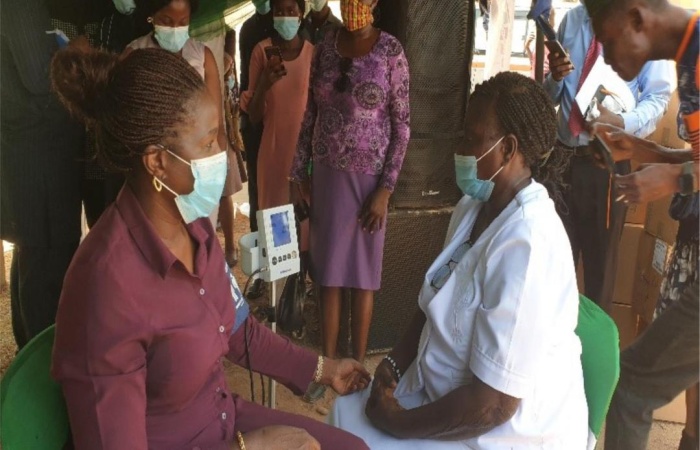
Health professionals are calling for better screening, affordable drugs, stronger hospitals, and nationwide awareness campaigns.
“Nigeria must prepare not only for future pandemics but also for the silent epidemic of chronic diseases growing within its population,” says Dr. Osibogun.
For thousands of families who lost parents, siblings, and neighbours with hypertension or diabetes, the scars are still fresh. The pandemic made clear that the real danger wasn’t just the virus—it was years of neglect, poor access to care, and untreated illnesses that left some Nigerians far more vulnerable than others.
•Onwumere writes from Rivers State.