ADVERTISEMENT

ADVERTISEMENT

ADVERTISEMENT

ADVERTISEMENT






















Loading banners
Loading banners...


NEWS EXPRESS is Nigeria’s leading online newspaper. Published by Africa’s international award-winning journalist, Mr. Isaac Umunna, NEWS EXPRESS is Nigeria’s first truly professional online daily newspaper. It is published from Lagos, Nigeria’s economic and media hub, and has a provision for occasional special print editions. Thanks to our vast network of sources and dedicated team of professional journalists and contributors spread across Nigeria and overseas, NEWS EXPRESS has become synonymous with newsbreaks and exclusive stories from around the world.
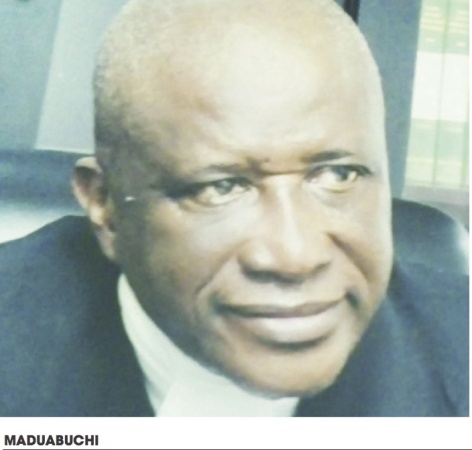
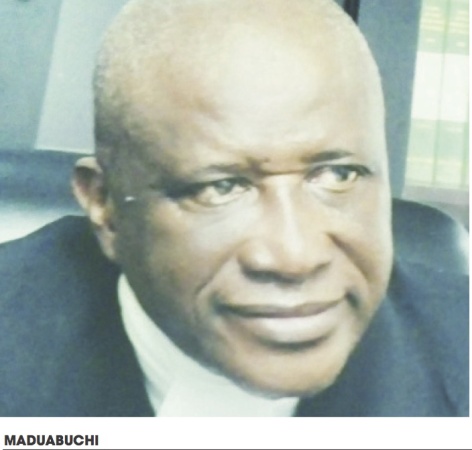
A Senior Advocate of Nigeria, Oba Maduabuchi, has argued that provisions of the Electoral Act requiring political parties to submit membership lists within fixed timelines are unconstitutional, insisting that such administrative powers lie solely with INEC under the Constitution.
Speaking with ARISE NEWS on Monday, Maduabuchi examined the deadlines given to political parties to submit their membership registers to the INEC, and whether the directive aligns with Section 29, Subsection 1 of the Electoral Act 2026,
He said: “INEC was set up by the constitution. It was given certain powers, and that is Part 3 of the 3rd Schedule, Part 1, particularly Subsection 15, which says INEC shall organize, undertake, and supervise. That power was specifically given to INEC by the constitution. If you remove any of those powers from INEC, you have amended the constitution. If you take away any power to organize, undertake, or supervise, you have amended the constitution because you’ve taken a power given to INEC directly by the constitution away from it. So you cannot tell INEC how to organize an election. That’s my first take.”
“So all those two sections are unconstitutional as they are today. This section of the Electoral Act tells INEC what to do, which the Electoral Act cannot do because you cannot deviate from what the constitution says and begin to do other things. It’s impossible,” he reiterated.
He maintained that while citizens have a constitutional right to seek legal redress, the growing volume of election-related litigation is placing serious strain on the electoral system.
“We cannot stop people from going to court; it is their constitutional right. But if you stick strictly to the laws as they are, we wouldn’t have an election,” he warned.
The Senior Advocate also said INEC should ordinarily take steps to challenge any provisions of law that limit its constitutional powers to organise elections. He argued that such matters fall within INEC’s authority and should not restrict its ability to manage electoral timelines.
“That is exactly what INEC should have ordinarily done. But they need to go first to set aside those aspects of the law that infringe upon their liberty and their right to organize elections. In my view, you are infringing upon their power and the duty given to them by the Constitution,” he maintained.
Speaking on the indefinite adjournment of the ADC case, Maduabuchi said courts act only on applications before them and cannot be blamed for delays caused by parties. He added that claims of bias and strategic litigation by politicians often lead to adjournments and disruptions in electoral timelines.
“They act based on the materials and requests placed before them. The judge didn’t just wake up and decide to adjourn the case sine die. The first bastion of the judiciary is confidence and belief in the system and the presiding judge. Once there is no confidence—once a person says they believe you are biased—ordinarily, a judge will wash their hands of it. You cannot insist on presiding over someone’s case when they say you are biased.
“When the litigants themselves tie the hands of the judge, how can you blame the judge? In my view, the politicians are putting themselves into trouble by bringing unnecessary cases to court,” he noted. (AriseNews TV)