Updating your news feed...
NEWS EXPRESS is Nigeria’s leading online newspaper. Published by Africa’s international award-winning journalist, Mr. Isaac Umunna, NEWS EXPRESS is Nigeria’s first truly professional online daily newspaper. It is published from Lagos, Nigeria’s economic and media hub, and has a provision for occasional special print editions. Thanks to our vast network of sources and dedicated team of professional journalists and contributors spread across Nigeria and overseas, NEWS EXPRESS has become synonymous with newsbreaks and exclusive stories from around the world.






Loading banners
Loading banners...

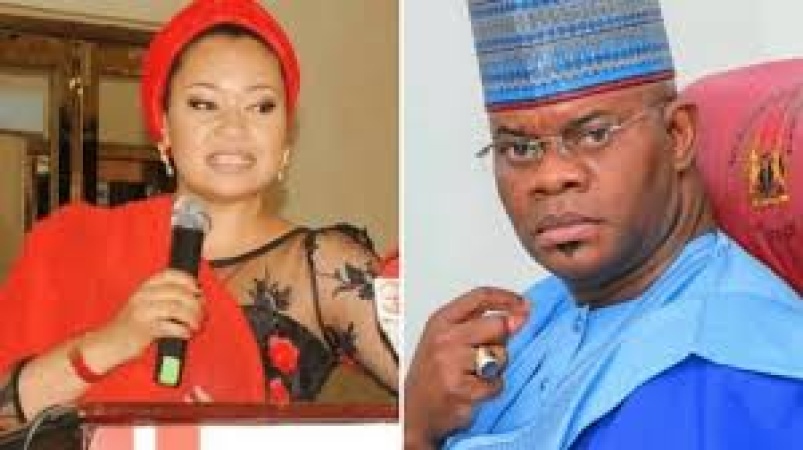
Ex-Governor Yahaya Bello, Senator Natasha
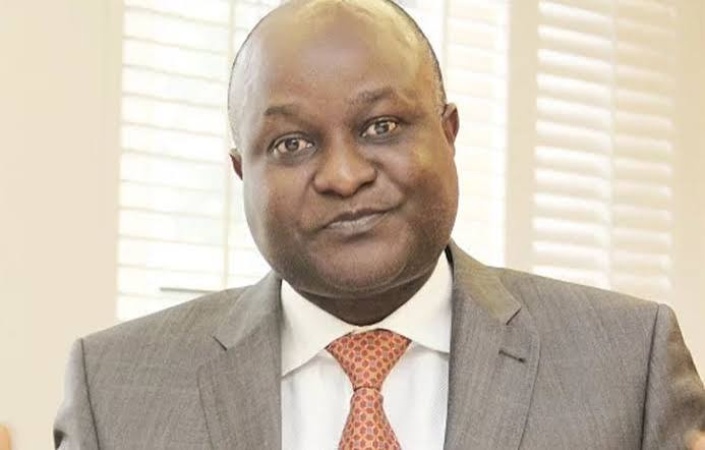
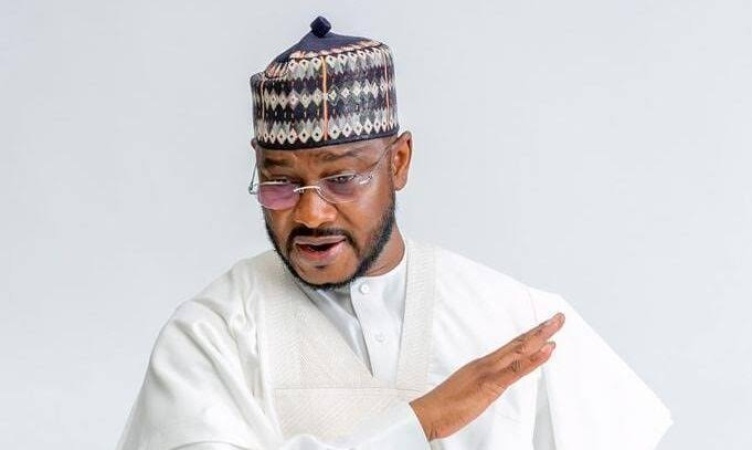
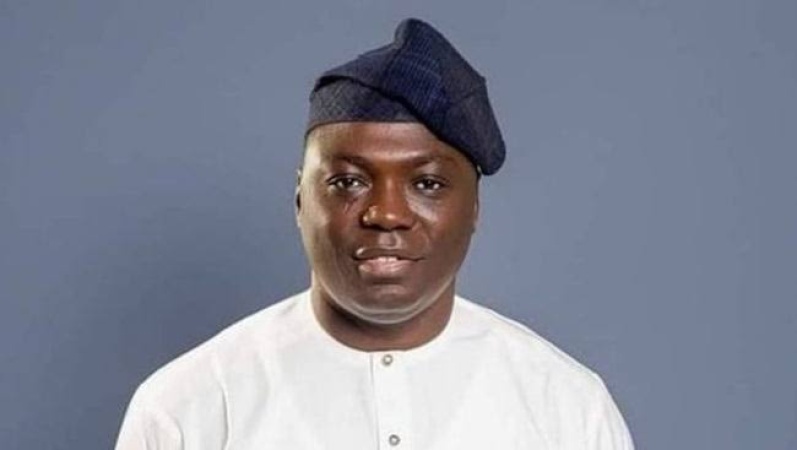
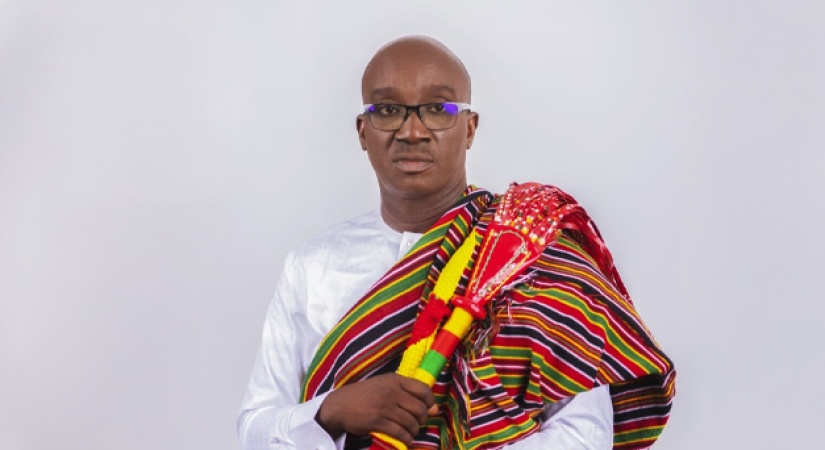
Former Kogi State Governor Yahaya Bello has unfolded his ambition to represent the Central District on the platform of the All Progressives Congress (APC). His supporters are intensifying consultations and mobilisation ahead of the primary. If he is picked as candidate, the battle may be between him and Senator Natasha Akpoti-Uduaghan of the Peoples Democratic Party (PDP). Deputy Editor EMMANUEL OLADESU reports
Politics is in the air in Kogi Central District. Gladiators are warming up for the primaries and the general election. Former Kogi State Governor Yahaya Bello and other aspirants, including Senator Natasha Akpoti-Uduaghan, have returned to the drawing board.
Natasha, a lawyer, wants to return to the Senate. Her platform is not certain until the litigation arising from the protracted Peoples Democratic Party (PDP) leadership crisis is resolved.
If the court case is resolved in favour of the Wike/Anyanwu faction, she may opt for the African Democratic Congress (ADC) or any other party.
In the All Progressives Congress (APC), former Governor Bello is intensifying consultations and mobilisation ahead of the primary. He had led the state for eight years, from January 2016 to January 2024. He assumed office following the demise of the late Prince Abubakar Audu on the eve of the 2015 election victory.
Opinion is divided on his tenure. To his supporters, Bello’s administration was transformational. But critics who objected to this assertion, believe that it was controversial.
Many Kogi State indigenes, who reflect on his latest political ambition, said Bello’s philosophy centred on “integrated governance”, a long-term developmental strategy that prioritised infrastructure, human capital development, fiscal reform, and institutional strengthening across all sectors.
“The youthful former Governor became a bridge between the old and the young in governance in Nigeria, being the youngest governor when he assumed office on January 27, 2016 at age 40,” Adeiza Abdul, a Kogi Central indigene said.
Abdul, a political scientist based in Abuja, said the Ebira-born politician, who became the first from that part of Kogi to govern the state, hit the ground running with his focus on taking the state from the backseat to the frontline in all areas, particularly infrastructure development.
Mrs. Aisha Abdulrahman, another Kogi indigene, said the people of Kogi Central would be forever grateful to the former governor for changing their story in terms of political leadership in the state and making his tenure more impactful than others before him.
Abdulrahman, who is from Okene Local Government Area, said one of the most visible and frequently cited achievements of the Bello administration was the construction and rehabilitation of critical road networks throughout Kogi State.
“Many of us are always happy to see the transformation in the wellbeing of our brothers in Kogi State, especially the central, where I come from. Before, it was violence everytime until Yahaya Bello came and we could sleep with our eyes closed,” she said.
“That the former governor was called upon to represent us at the Senate is the least we can do to repay him for all he has done to change the lives of many people. We know who Yahaya Bello is in Kogi State. Any negative being painted by detractors cannot remove his influence,” Abdulrahman added.
On his achievements, analysts said his works sought to reduce isolation between communities, facilitate trade and commerce, and open rural areas to economic activity.
Major projects included the rehabilitation of township and link roads across Lokoja, Anyigba, Kabba, Idah, and Ogugu, among others.
“Improved roads reduced transportation costs for farmers and traders, boosting local markets and agricultural value chains. While exact cumulative road mileage varies in reports, infrastructure upgrades were a bedrock of Governor Bello administration’s development strategy,” a youth leader from Kogi West, Abulhakeem Olawale, said.
Public facilities and urban renewal efforts were also made to enhance public spaces and civic landmarks. The refashioning of key government facilities and urban renovation projects in Lokoja; initiatives aimed at improving both the functionality and esthetics of the state capital, are examples.
Collectively, these road and facility improvements, according to indigenes, helped create a more conducive environment for commerce, social interaction, and public service delivery, which enhanced the Internally Generated Revenue by more than 100 per cent during his tenure.
Lokoja based businessman, Kingsley Abraham, said, “Former Governor Bello turned Kogi State around for good. When he became the governor, the roads were death traps. He made it his priority to give us good and accessible roads that made our businesses to thrive.
“I supply goods to my customers in different locations and before the coming of governor Bello, I incurred a lot of losses because sometimes before reaching the customer some of the goods would be damaged and I had to replace them.
“I can’t remember when I replaced any damaged goods during his eight years in office. Even till now, those roads are still there and we are enjoying them,” he said.
Many of the indigenes also scored the former governor very high in the area of healthcare transformation.
According to them, Bello made healthcare a standard of his governance agenda, with multifaceted intervention.
“The establishment of the Reference Hospital in Okene, a major tertiary healthcare institution was outstanding,” Taiwo Jimoh, an associate professor from the Ijumu Local Government Area of Kogi West said.
The Reference Hospital is equipped with advanced medical technologies such as MRI and CT scanners, dialysis machines, and a hyperbaric oxygen chamber. This facility aimed to reduce dependence on external medical services and improve specialist care within the state, according to the state government during the previous administration.
In addition to the Reference Hospital, the administration was also said to have constructed or upgraded zonal hospitals and medical centres in Eganyi, Gegu-Beki, Kabba, Idah, Isanlu and other locations.
These expansions brought healthcare closer to the grassroots as communities that previously lacked access to basic services began to enjoy what was exclusively for the cities in the past, stakeholders said.
the area of education, former Governor Bello declared the sector a priority sector and embarked on Educational Reform and Human Capital Development.
With a star performer, Wemi Jones, as the Commissioner for Education, budget allocations to the sector reportedly reached nearly 30 per cent of the annual state budget, exceeding both national practices and international benchmarks such as UNESCO’s recommended threshold.
Recognising his impact, the former governor was honoured with the Role Model Award on Education Development by the national body of the Nigeria Union of Journalists (NUJ) in May 2021.
The award recognised his administration’s efforts in boosting education through increased budget allocation, infrastructural improvements, and teacher training.
Under Bello, nearly 4,000 new teachers were recruited, helping address longstanding personnel shortages in classrooms. In addition, the government conducted professional development for school leaders and administrators to improve educational outcomes.
Thousands of classrooms were constructed or renovated, new laboratory equipment supplied, hostels built, and basic learning materials distributed. This was a massive push to transform the physical and instructional conditions of learning environments across the state.
The former governor also recorded a major milestone with the creation of state-owned universities, in record time, notably Confluence University of Science and Technology (Osara) and Kogi State University (Kabba).
According to Jones, who spoke with journalists during one of the former governor’s media chats, the institutions were established to expand tertiary education access, encourage research, and promote science and technology studies relevant to the state’s development needs.
Additionally, scholarship programmes and educational grants were introduced to support academically gifted and indigent students, further enhancing social equity in education.
His educational reforms were credited with significantly reducing the incidence of out-of-school children in Kogi State. At one point, the state was ranked 9th lowest in Nigeria for out-of-school figures which was a noteworthy achievement given past educational obstacles.
On the aggregate, these interventions elevated literacy, widened access, and strengthened the long-term human capital base crucial for economic growth, which Kogi state is still enjoying till date.
Bello’s administration was also said to have pursued, with vigour, comprehensive revenue reforms, digitising collection systems, broadening the tax base, and improving compliance.
The enhanced internally-generated revenue reduced dependency on federal allocations and supported major developmental projects that were executed under his administration.
Fiscal prudence was often highlighted, including the state’s participation in the World Bank’s States Fiscal Transparency programme and recognition for budget discipline.
This made the state win the World Bank’s award of fiscal accountability and transparency under Bello.
During Bello’s administration, agriculture was actively promoted as a driver of economic development, food security, and employment, Ozigi Michael, his spokesperson said.
“The administration distributed mechanised equipment and farm inputs, encouraging modern farming methods among peasant farmers.
“The establishment of large processing facilities such as the Confluence Rice Mill in Ejiba boosted local value addition, created jobs, and strengthened agro-industries,” he said.
For Mohammed Abbass, from Kogi East, the security of lives, which was made a priority under the administration of the former governor, is one achievement that can never be erased.
“I always tell people that if Bello were to be in charge or had some authority even at the centre at this time, the terrorists would think twice before coming anywhere near Kogi or adjourning states. He was hands-on when it came to the issue of security of lives. Kogi State heaved a sigh of relief during his tenure,” Abbass stated.
It was gathered that a forward operating base for the Nigerian Army was built to strengthen regional stability in addition to the establishment of the Kogi State Vigilante Service, joint security task forces, and provision of hundreds of vehicles and motorcycles to security agencies.
As a recognition of the governor’s achievements in the area of security, Yahaya Bello was honoured with the 2021 Peace Achievers International Awards (10th edition).
For his role in maintaining peace and security in Kogi State, he was named “Governor of the Year on Peace and Security”.
He received numerous awards, including the “Icon on Security” award from the Association of Nigerians in Diaspora and a gender equality award from the National Council of Women’s Societies.
Bello’s administration introduced whistleblowing policies to engage citizens in community safety and intelligence, fostering cooperation between residents and security personnel. Security improvements helped curb crime, enhance investor confidence, and contribute to the overall peace enjoyed during parts of his tenure.
Governance, Institutional Reform, and Public Service as well as Civil Service Modernisation were another sector the youthful governor never toyed with, according to Kogi indigenes.
He was said to have instituted significant civil service reforms, including payroll cleansing, capacity building, digital literacy training, and performance monitoring systems.
These reforms, which aimed at raising administrative efficiency and instil professionalism in state operations, were initially resisted by those who were feeding fat on the previous system.
As a youth in governance (when elderly men emerge Nigerian governors), Bello made social inclusion and youth engagement a pivot in his administration.
Youth empowerment programmes through entrepreneurship training, vocational skills development, and access to start-up funding were designed to expand economic opportunities for young people. Women and vulnerable groups received targeted support to enhance social inclusion.
It was in the news that former Governor Bello actively incorporated youth and women into governance structures, building capacity and leadership among historically underrepresented groups.
“Suffice it to say that the governance legacy of Yahaya Bello in Kogi State was characterised by: Extensive infrastructure development, particularly roads, healthcare facilities, and education infrastructure,” Abbass noted.
According to a public affairs analyst, Debo Adebayo, despite criticisms by political opponents, the success of his policies will continue to be debated within Nigeria’s political and academic circles.
However, Abbass, from Kogi East, said Bello’s travails with the EFCC could not be divorced from the alleged desperation of some politicians to take the state from the grip of Kogi Central or Bello’s loyalists.
He said political foes who did not expect that the former governor, without a godfather, could rewrite the history of governance in the state, were bent on dragging his integrity into the mud.
“They sought a way to pitch him against the late former President Muhammad Buhari. When they could not succeed, they channelled their efforts towards making him an enemy of President Bola Ahmed Tinubu, yet their efforts remain futile,” a retired journalist from Kogi State, Joseph Abudu, said. (The Nation)