ADAD
ADADUpdating your news feed...

NEWS EXPRESS is Nigeria’s leading online newspaper. Published by Africa’s international award-winning journalist, Mr. Isaac Umunna, NEWS EXPRESS is Nigeria’s first truly professional online daily newspaper. It is published from Lagos, Nigeria’s economic and media hub, and has a provision for occasional special print editions. Thanks to our vast network of sources and dedicated team of professional journalists and contributors spread across Nigeria and overseas, NEWS EXPRESS has become synonymous with newsbreaks and exclusive stories from around the world.





.webp)








Loading banners
Loading banners...


The Reproduction Rights Society of Nigeria (REPRONIG) has hailed the Federal Government’s recent disbursement under the copyright levy scheme as a historic breakthrough for authors and publishers across the country.
The development, which saw the release of the first tranche of ₦1.2 billion from the Copyright Levy Fund, marks a significant step in the implementation of the Copyright Act, 2022 and signals renewed attention to intellectual property as a driver of economic growth.
REPRONIG, the licensed Collective Management Organisation (CMO) for text and image-based works in Nigeria, described the milestone as a long-awaited victory for creators of literary works. The organisation functions as Nigeria’s Reprographic Rights Organisation and is regulated by the Nigerian Copyright Commission (NCC), the statutory body charged with overseeing copyright administration in the country.
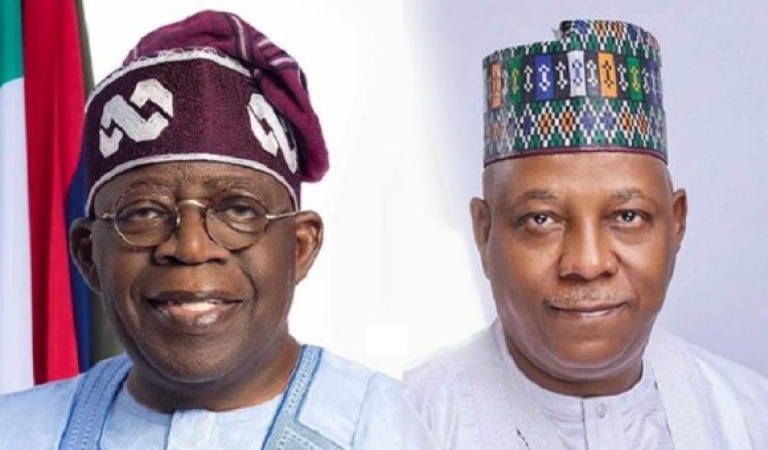
In a statement signed by its chairman, Mr. Gbadega Adedapo, REPRONIG expressed profound gratitude to President Bola Ahmed Tinubu for what it described as decisive leadership in activating a previously dormant provision of the nation’s copyright law. According to Adedapo, the administration’s action reflects the broader objectives of the President’s renewed hope agenda, particularly its emphasis on strengthening creative industries and positioning intellectual property as a cornerstone of national development.
For years, the copyright levy scheme had existed in principle within Nigeria’s legal framework but had not been fully operationalised. The recent release of funds, therefore, represents more than a financial intervention; it is seen as the tangible realisation of legislative intent. Adedapo described the receipt of the first tranche as “a definitive victory for secondary right owners in the literary field,” underscoring that authors and publishers often depend on secondary uses of their works, such as photocopying, scanning, and other forms of reproduction, for supplementary income.
He noted that the ₦1.2 billion disbursement sends a clear signal of government commitment to building a sustainable ecosystem for creators. By turning an inactive provision of the law into an operational mechanism for economic support, the administration has, in REPRONIG’s view, demonstrated that intellectual property protection can move beyond theory to become a meaningful source of livelihood for writers and publishers.
Adedapo also reserved special appreciation for the leadership of the NCC, commending the commission’s diligence and expertise in navigating the complexities associated with implementing the levy. He described the stewardship of the commission’s director-general as instrumental in ensuring that the framework established under the Copyright Act, 2022 is effectively translated into practice.
According to him, the NCC’s commitment to upholding the tenets of the law has strengthened confidence in Nigeria’s copyright system and reassured creators that their rights will be protected and fairly compensated.
At the heart of REPRONIG’s mandate is the management of reprographic rights on behalf of authors and publishers. These rights relate to the reproduction of literary works through photocopying, digital scanning, and other secondary uses. In many jurisdictions, such uses generate remuneration through collective management systems, which distribute payments to right holders whose works are copied for private or educational purposes. With the activation of the copyright levy scheme, Nigeria now takes a more definitive step toward aligning with global best practices in this area.
Adedapo emphasised that membership of REPRONIG remains open to a broad spectrum of right holders. Individual authors, publishers, assignees, and associations of right holders are all eligible to join. The organisation covers a wide array of literary works, including novels, short stories, poetry, plays, scripts, textbooks, essays, anthologies, law reports, and computer programs, whether in print or electronic format. By joining REPRONIG, creators can benefit from a structured system that compensates them for the secondary use of their intellectual property.
He explained that such compensation provides an essential revenue stream for writers and publishers, many of whom operate in a challenging economic environment. Beyond financial support, the scheme acknowledges the intellectual and cultural contributions of literary creators to national development, education, and the preservation of Nigeria’s diverse heritage. According to REPRONIG, ensuring that authors and publishers are fairly remunerated encourages continued creativity, supports the publishing industry, and fosters a culture of reading.
The organisation reaffirmed its readiness to work closely with the NCC to guarantee that the funds are distributed in a transparent, efficient, and equitable manner. Adedapo stressed that REPRONIG is committed to reaching the grassroots of Nigeria’s literary community through associations of right holders, ensuring that both established and emerging writers benefit from the intervention. The society believes that a well-managed distribution system will strengthen trust in collective management and inspire greater participation from authors and publishers.
The development has also attracted international commendation. REPRONIG’s global partner, the International Federation of Reproduction Rights Organisations (IFRRO), praised the NCC and its leadership for the recent distribution of Private Copying Remuneration and for the support extended to REPRONIG. In a letter signed by IFRRO’s Secretary General and CEO, Anita Huss Ekerhult, the international body described the payment as a significant milestone in Nigeria’s copyright journey.
Ekerhult noted that IFRRO had been informed of the first payment of the private copying remuneration share to REPRONIG, describing the Nigerian organisation as a valued member and an important voice for collective management in the region. She stated that IFRRO warmly welcomes the step, as it marks concrete progress toward the effective implementation of a private copying system that ensures fair remuneration for authors and publishers.
On behalf of IFRRO and the beneficiaries represented by REPRONIG, Ekerhult commended the personal engagement of the NCC’s leadership and the constructive cooperation between the commission and REPRONIG. She further acknowledged the broader contribution of the NCC to building a balanced, sustainable, and well-functioning copyright ecosystem in Nigeria. IFRRO, she added, highly values its ongoing collaboration with the NCC and looks forward to deepening that partnership in pursuit of shared objectives.
The convergence of national and international support underscores the wider significance of the development. As creative economies gain prominence worldwide, the protection and monetisation of intellectual property have become critical components of economic policy. For Nigeria, a country with a vibrant literary and creative tradition, strengthening copyright administration offers an opportunity to unlock new value in publishing, education, and digital innovation.
REPRONIG’s commendation of the Federal Government therefore reflects not only gratitude for a specific financial disbursement but also optimism about the future of copyright management in the country. By operationalising the copyright levy scheme and releasing the first tranche of funds, the government has taken a decisive step toward empowering authors and publishers, reinforcing the rule of law, and fostering a culture in which creativity is both protected and rewarded. (The Sun)