ADAD
ADAD
Updating your news feed...
NEWS EXPRESS is Nigeria’s leading online newspaper. Published by Africa’s international award-winning journalist, Mr. Isaac Umunna, NEWS EXPRESS is Nigeria’s first truly professional online daily newspaper. It is published from Lagos, Nigeria’s economic and media hub, and has a provision for occasional special print editions. Thanks to our vast network of sources and dedicated team of professional journalists and contributors spread across Nigeria and overseas, NEWS EXPRESS has become synonymous with newsbreaks and exclusive stories from around the world.












Loading banners
Loading banners...

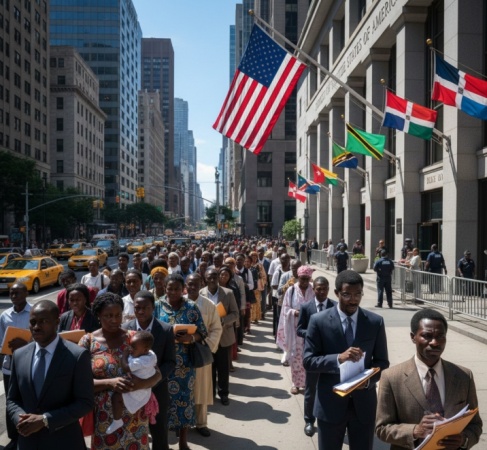
The landscape of U.S. visa policies has seen dramatic shifts in recent months, with several countries facing new restrictions and stringent procedures. As of January 2026, nations like Angola, Cuba, Dominica, Nigeria, Tanzania and Togo are grappling with tougher visa interview requirements and travel restrictions. These changes, stemming from security updates and new vetting procedures, are set to have far-reaching consequences for both travelers and foreign nationals seeking entry to the United States.
In the wake of heightened security concerns and evolving national policies, the U.S. government has implemented more rigorous procedures for nonimmigrant and immigrant visa applicants. Several nations, including Angola, Cuba, Dominica, Nigeria, Tanzania and Togo, are now among those facing stricter visa interview requirements. For many years, these countries have maintained relatively straightforward visa application processes, but recent changes have altered that dynamic. As a result, citizens from these nations now face longer waits, more invasive security checks and, in some cases, outright visa denials.
The new changes come after an announcement by the U.S. Department of State regarding enhanced visa interview protocols and expanded security screenings. The focus of these revisions is to mitigate the risk of visa misuse and to strengthen border security across the United States. Countries that have been flagged for limited security cooperation or deficiencies in vetting processes are seeing the sharpest increases in restrictions.
Angola is among the nations that have recently found themselves subjected to visa suspensions and tougher interview requirements. As of late 2025, U.S. authorities have ramped up scrutiny on applicants from Angola, citing concerns over the country’s lack of comprehensive security cooperation. The U.S. government now requires Angolan nationals to undergo more thorough background checks and provide extensive documentation during the visa application process.
This move is part of the U.S. policy aimed at ensuring that nationals from Angola and other affected nations have sufficient vetting before being granted access to the U.S. With these changes, Angolan applicants face increased delays in their visa processing times and the possibility of visa denials has risen significantly. Citizens hoping to visit for tourism, education, or business must now prepare for longer waiting periods and greater scrutiny.
Both Cuba and Dominica have felt the brunt of U.S. visa restrictions, with visa issuance suspended for several categories of applicants. In Cuba, U.S. officials have pointed to security concerns related to the nation’s diplomatic relations and its inadequate information sharing with the U.S. government. Cuban nationals seeking to visit the U.S. for business, tourism, or study must navigate new hurdles, including expanded visa interview requirements and additional vetting for all applicants.
Similarly, Dominica, while not as heavily restricted as Cuba, has seen its nationals subjected to new measures, including mandatory in-person interviews and a requirement to provide extensive financial documentation. These shifts reflect a broader trend of heightened scrutiny for nationals of nations where U.S. officials have expressed concerns over border security or diplomatic transparency.
In Nigeria, the most populous African country, citizens now face serious challenges in securing U.S. visas. The U.S. State Department recently announced that Nigeria would be subject to visa processing delays, especially for tourism and student visas. The Department of State has cited increased security concerns related to visa fraud and insufficient cooperation in sharing information about travelers’ backgrounds.
As a result, many Nigerian nationals now find themselves in a position where they are required to wait longer for visa processing and must undergo more thorough background checks than before. This has led to frustration among Nigerian travelers, particularly students and professionals, who rely on swift visa approvals for work, education and tourism.
Tanzania and Togo, though geographically distant, share similar experiences with the recent U.S. visa policy changes. Both countries have seen their citizens subjected to expanded visa interview requirements, making it increasingly difficult for Tanzanian and Togolese nationals to obtain U.S. visas for short visits, employment, or long-term stays.
For Tanzania, the U.S. has specifically targeted high-risk visa applicants, who must now provide additional proof of their financial standing and ties to their home country. Similarly, Togo has been placed under visa issuance scrutiny, with non-immigrant visas being particularly impacted. Applicants from these countries face increased wait times and scrutiny, especially for travel categories related to work and education.
The tougher U.S. visa policies are a result of ongoing national security measures that aim to enhance the vetting process for foreign nationals applying for entry into the U.S. Countries like Angola, Cuba, Dominica, Nigeria, Tanzania and Togo are significantly impacted, as their nationals must now comply with expanded background checks, financial disclosures and mandatory visa interviews.
For travelers, this translates to longer waiting periods and heightened scrutiny during visa interviews. These changes, while focused on improving security, have created frustration among citizens who previously enjoyed streamlined processes for obtaining U.S. visas. Additionally, some individuals may face denials if they fail to meet the new criteria, further complicating international travel and exchange programs.
Moreover, these policy shifts could affect tourism and business relationships between the U.S. and the affected countries. As visa processing delays and denials increase, the flow of international visitors, students and business professionals may slow, leading to economic consequences for both the U.S. and the affected nations.
As of 2025, Angola, Cuba, Dominica, Nigeria, Tanzania and Togo join a growing list of countries facing tougher U.S. visa restrictions, including interviews and delayed processing times. While these measures are a result of heightened national security, they also reflect broader geopolitical shifts in U.S. foreign policy. Applicants from these countries must prepare for a more stringent and time-consuming visa process. It is crucial for travelers, students and professionals from these nations to stay informed about the latest updates and make necessary adjustments to their travel plans to avoid complications and delays.
These changes also signal a new era in U.S. border control, emphasizing tighter security protocols and greater scrutiny for nationals from countries with perceived security risks. As these measures unfold, their impact on international relations and global travel will continue to evolve. (TTW)