
Updating your news feed...
NEWS EXPRESS is Nigeria’s leading online newspaper. Published by Africa’s international award-winning journalist, Mr. Isaac Umunna, NEWS EXPRESS is Nigeria’s first truly professional online daily newspaper. It is published from Lagos, Nigeria’s economic and media hub, and has a provision for occasional special print editions. Thanks to our vast network of sources and dedicated team of professional journalists and contributors spread across Nigeria and overseas, NEWS EXPRESS has become synonymous with newsbreaks and exclusive stories from around the world.











Loading banners
Loading banners...


Nigeria’s “forcible return” of Cameroonian separatists violated its international obligations to protect refugees, United Nations High Commissioner for Refugees said on Thursday.
A group of 47 Cameroon Anglophone secessionists, including their leader Julius Sisiku Ayuk Tabe were extradited from Nigeria to Cameroon, according to Cameroonian media reports Tuesday.
“Their forcible return is in violation of the principle of non-refoulement, which constitutes the cornerstone of international refugee law,” it said in a statement.
Non-refoulement is a French term which forbids forcing refugees or asylum-seekers to go back to a country where they could be persecuted.
“The returns were carried out despite UNHCR’s efforts and engagement with the authorities,” said the UNHCR.
“UNHCR reminds Nigeria of its obligations under international and Nigerian law, and urges the Nigerian Government to refrain from forcible returns of Cameroonian asylum-seekers back to their country of origin.”
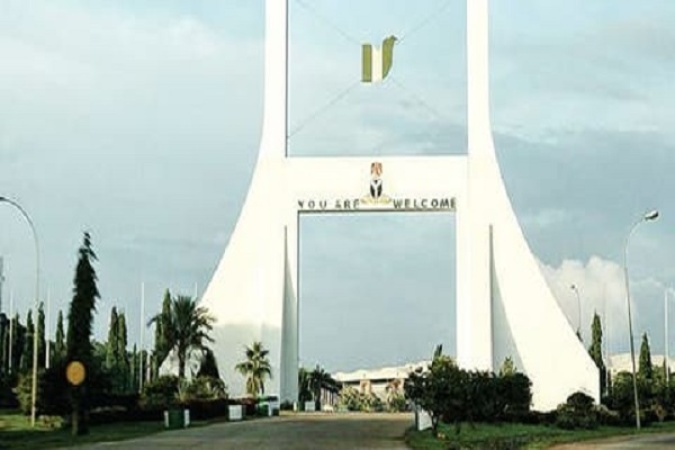
Cameroonian separatists, including Ayuk Tabe, were arrested in the Nigerian capital Abuja early January.
Ayuk Tabe was arrested on allegations that he was involved in underground meetings against the Republic of Cameroon.
Protests
Cameroon has been marred by protests for over a year, with residents in English-speaking regions saying they have been marginalised for decades by the central government and the French-speaking majority.
The protesters are calling for a return to federalism or independence of English-speaking Cameroon, which the demonstrators refer to as the “Republic of Ambazonia”.
English-speakers frequently complain of exclusion from top civil service jobs and the use of French in government institutions, although the constitution gives both languages official status.
French Cameroon gained its independence from France in 1960. In 1961, a federal state was set up when British Cameroon gained its independence from Great Britain and joined French Cameroon.
The federal state was, however, dissolved in favour of a unitary state in 1972.
Since then Anglophones have said they are being marginalised and forced to use French in public institutions and schools, and also use the French-Cameroon legal system in courts.
Tens of thousands of people have fled and crossed into neighbouring Nigeria, according to the UN Refugee Agency.
Meanwhile, dozens of military and police officers have also been killed since the protests started in October 2016. (Anadolu Agency)




