 ADAD
Updating your news feed...

NEWS EXPRESS is Nigeria’s leading online newspaper. Published by Africa’s international award-winning journalist, Mr. Isaac Umunna, NEWS EXPRESS is Nigeria’s first truly professional online daily newspaper. It is published from Lagos, Nigeria’s economic and media hub, and has a provision for occasional special print editions. Thanks to our vast network of sources and dedicated team of professional journalists and contributors spread across Nigeria and overseas, NEWS EXPRESS has become synonymous with newsbreaks and exclusive stories from around the world.



Loading banners
Loading banners...

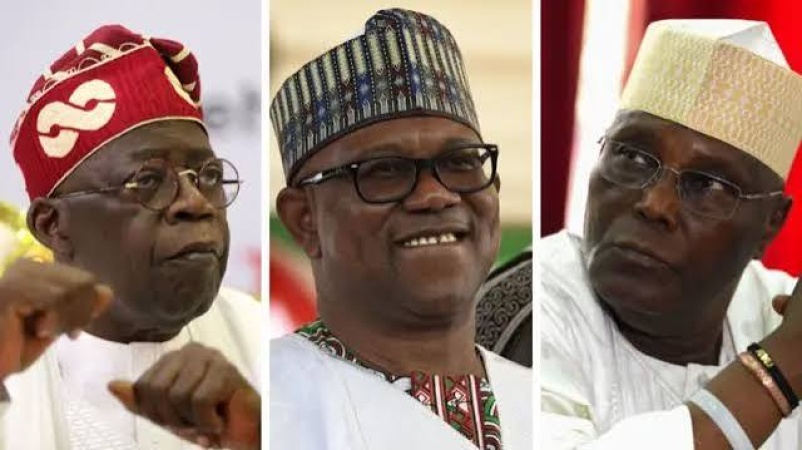
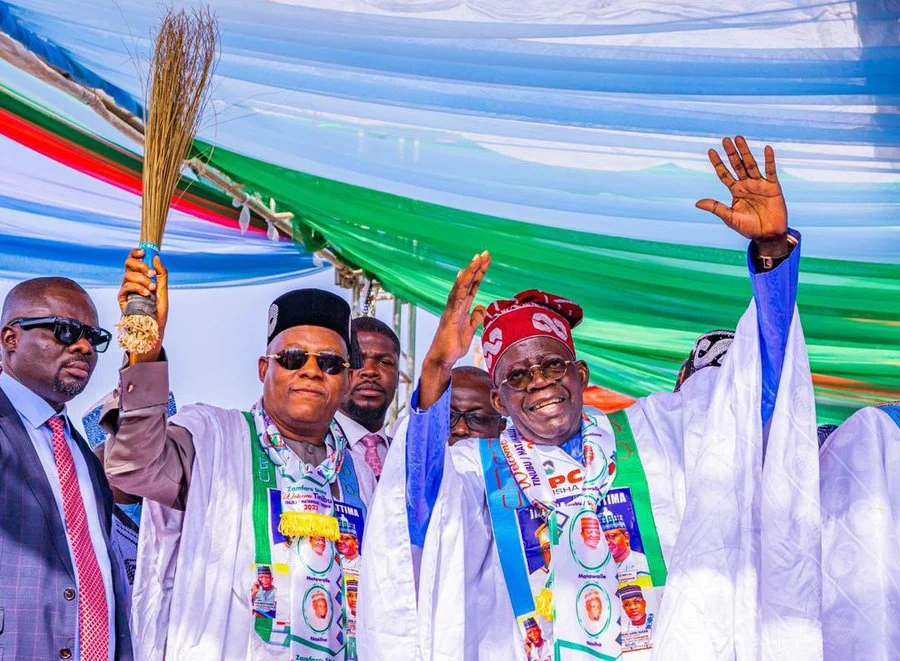
President Bola Tinubu APC; Peter Obi NDC; Atiku Abubakar ADC: all battling for Northern votes
As the campaigns for the 2027 elections gain momentum, one fact has become clear; Northern Nigeria (Northwest, Northeast and North Central) has become the focal point of the three major political parties slugging it out in the race. With its vast political terrain and the rich haul of votes, Northern Nigeria is envisaged to play the decisive role in determining who eventually emerges the winner at the presidential elections slated to take place next January.
The ruling All Progressive Congress (APC) which polled 60 per cent of its total votes at the 2023 elections from the North hopes for a repeat of the same and if not more at the forthcoming elections. President Bola Ahmed Tinubu, who is the APCs flagbearer, and his political associates reckon that with the votes from the South West where he comes from seemingly assured, the party would need to add the votes from the three geopolitical zones in the North to coast home to victory.
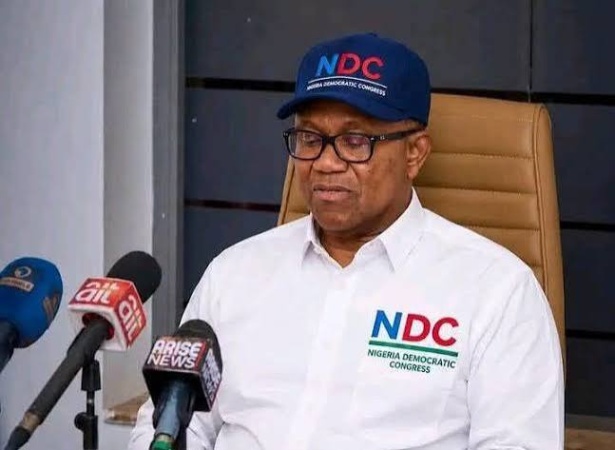
The National Democratic Congress (NDC), which has former Anambra state governor Peter Obi as its presidential candidate, is counting on tangible votes from the North Central and North East to add to the solid votes expected from the South East and sizeable support from the South South and South West to win. Another probable fillip to the NDC is the presence of former Kano state governor Senator Rabiu Musa Kwankwaso as running mate to Obi. Kwankwaso is significant in the sense that he retains a huge political following in Kano State and his influence is likely to bring in huge potentially winning votes from the state to add to the NDC’s expected tally.
The African Democratic Congress (ADC) has former Vice President Atiku Abubakar in the fray. Atiku Abubakar is not only a formidable political gladiator with vast numbers of political contacts cutting across the nation. He is a veteran political campaigner who knows the Nigerian political terrain perhaps more than any other political figure in the country. Although in recent years following successive defeats in his quest for the presidency, many had tended to write him off as a spent force, objective observers believe that in the 2027 race, Atiku Abubakar is poised to gain handsomely from the great northern pushback against the APC and President Tinubu. Simply put, Atiku Abubakar and the ADC stand to benefit overwhelmingly from the ambivalence felt all over the North and to some extent across the country against the APC and Tinubu.
As the 2027 political race goes on in the North, one factor that has not featured as prominently as the quest for northern votes but which is of equal importance is the political fate of the North.
The North has always prided itself as the bellwether of politics in Nigeria. You could always predict that the North will present a dominant political party and it will win the majority votes enough to win federal elections. And all it needed was an alliance with one or two political parties in the south to form a government. The Northern Peoples Congress (NPC) did it in the First Republic successfully and the northern based National Party of Nigeria repeated almost the same template in the second republic.
But over the years from the demise of the Second Republic to the June 12 elections in 1993 the chink in the seemingly monolithic political structure of the north has been coming under serious stress. The June 12 elections and its outcome and the birth of the relentless political struggles associated with it championed mainly by political figures from the southwest have been eroding the northern political monolith to the point that what we now have is a north on the ropes with other parts of the country deciding more of the political scheme of things.
What we have now have is a situation where in 2027 the North stands at political threshold of regaining the political advantage it used to have in the country, or losing it permanently to the south.
If APC and President Tinubu win the 2027 elections, it will not be considered as a northern enabled victory; it will be considered as Tinubu’s political masterstroke in finally breaking the last ramparts of northern political hegemony in Nigerian politics. The same will also be said of Peter Obi’s victory.
If on the other hand the ADC and Atiku Abubakar win the election, it will certainly be considered as a northern comeback, but it will under the circumstances amount to a pyrrhic political victory that will bring along with it and expose the more, the weak political pressure points of the region.
The truth is, while an Atiku victory may be a welcome relief to the north, it may not result in the hurrah that the north expects in the long and short runs.
Why?
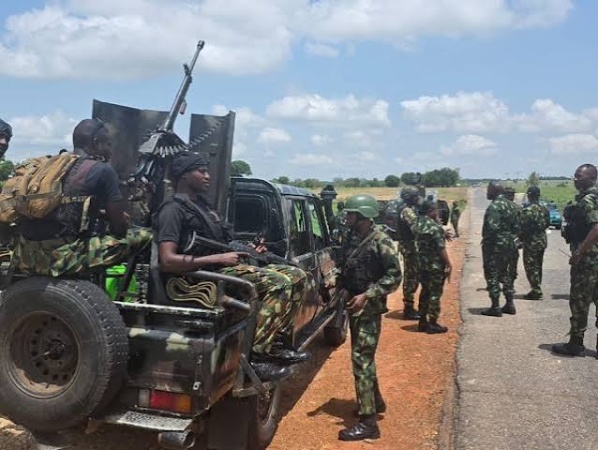
The North is for all practical purposes an intensive care patient presently. Large parts of the region are under siege and controlled by bandits, kidnappers and all sorts of criminal elements who operate with impunity. The growing resurgence of ethnic separation between the Hausa and Fulani ethnicities and its effects cannot be dismissed merely as an irritant. The issue is morphing into the next big thing in Northern Nigeria in the foreseeable future if something is not done.
But the central question that the North must face up to squarely and honestly is; as presently constituted whose North are we talking about?
This is a very pertinent question for the North to answer honestly because there are large numbers of people who believe that the north politically belongs to the Northwest region. They argue vehemently that due to their Christian faith and non-Hausa-Fulani ethnicity they are not considered northern enough to enjoy whatever comes from the benefits of their identification with the North in the political scheme of things.
It is in these areas of the North that such sentiments run very high to the extent that people here would rather they are not considered as northerners and who would prefer to chart their own political course alone or with southerners.
The 2027 elections will determine whether this factor is real or contrived. (Daily Trust)




