ADAD
Updating your news feed...

NEWS EXPRESS is Nigeria’s leading online newspaper. Published by Africa’s international award-winning journalist, Mr. Isaac Umunna, NEWS EXPRESS is Nigeria’s first truly professional online daily newspaper. It is published from Lagos, Nigeria’s economic and media hub, and has a provision for occasional special print editions. Thanks to our vast network of sources and dedicated team of professional journalists and contributors spread across Nigeria and overseas, NEWS EXPRESS has become synonymous with newsbreaks and exclusive stories from around the world.












Loading banners
Loading banners...

The National Democratic Congress (NDC) National Presidential Campaign Council has questioned President Bola Tinubu’s latest borrowing request, warning that Nigeria’s rising debt burden threatens future generations and demanding greater transparency before the National Assembly approves additional loans.
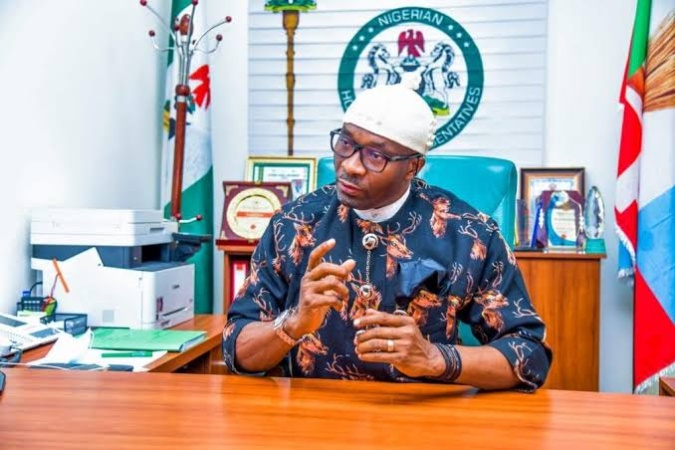
In a press statement signed by its spokesperson, Dr Chiogo Constance Ikokwu, the campaign council raised concerns over the President’s request for approval to borrow $20.52 billion and €1.045 billion, questioning the country’s capacity to sustain further borrowing.
The statement, titled How Much More Debt Can Nigeria Carry?, pointed out to the increase in Nigeria’s external and total public debt since June 2023, calling for a comprehensive assessment of the benefits of previous borrowings before the country assumes additional financial obligations.
According to the council, Nigeria’s external debt increased from $43.16 billion in June 2023 to $54.52 billion in June 2026, representing an increase of $11.36 billion, or 26.3 per cent.
It also stated that total public debt rose from ₦87.38 trillion to ₦166.79 trillion within the same period, an increase of approximately 90.9 per cent.
The campaign council warned that the latest borrowing request, alongside previously approved but undrawn financing, could significantly increase Nigeria’s external debt exposure.
“Adding the latest loan request and previously approved but undrawn financing suggests potential external debt exposure of about $81.96 billion, assuming no overlap and that all the financing is eventually drawn. This is an illustrative estimate, not official debt outstanding,” the statement said.
The council acknowledged that the government had presented the loans as necessary to finance critical development projects but questioned whether Nigerians were receiving measurable benefits from previous borrowing.
It demanded explanations on the delivery of infrastructure and other projects, particularly those expected to improve living conditions and support economic activities.
“But Nigerians deserve to know precisely what these loans will deliver. Which roads have been completed? Which hospitals are operational? Which power projects have increased electricity supply? Where are the measurable benefits for businesses and households struggling with the cost of living?” the statement asked.
The council also questioned the continued reliance on borrowing despite what it described as increasing government revenues and concerns raised by lawmakers over inadequate capital releases to ministries, departments and agencies under previous budgets.
“If government revenues are increasing, why does the need for additional borrowing remain so substantial? And why seek more loans when lawmakers have raised concerns about inadequate capital releases to ministries, departments and agencies under previous budgets?” it said.
The campaign council called on the President and the National Assembly to demand full disclosure of the country’s borrowing activities before approving further loans.
It urged the government to publish a comprehensive, project-by-project register of external loans obtained since May 2023.
The proposed register, according to the statement, should include the amounts borrowed and disbursed, loan terms, project locations, implementation status and independently verified outcomes.
It also called for a clear assessment of future debt-service obligations and the potential risks associated with exchange-rate movements.
The council maintained that borrowing could support national development if the investments delivered measurable benefits and repayment remained sustainable.
“Borrowing can support national development, but only when investments deliver measurable benefits and repayment remains sustainable. The question is not simply how much Nigeria can borrow, but what Nigerians are getting in return,” the statement said.
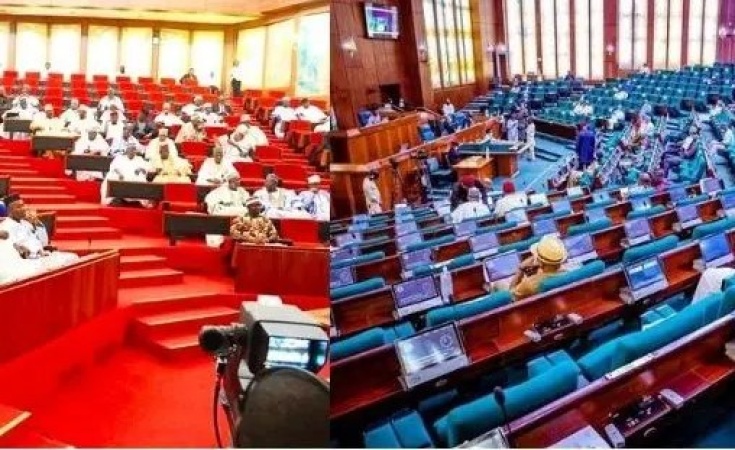
It further urged the National Assembly to subject the President’s borrowing requests to rigorous scrutiny and ensure Nigerians receive clear answers before the country assumes additional financial obligations.
“The National Assembly must subject these requests to rigorous scrutiny and ensure that the public receives clear answers before the country assumes further obligations,” it said.
The statement concluded with a call for collective efforts towards building a Nigeria that works for its citizens. (Arise News)