 ADAD
ADAD
Updating your news feed...
NEWS EXPRESS is Nigeria’s leading online newspaper. Published by Africa’s international award-winning journalist, Mr. Isaac Umunna, NEWS EXPRESS is Nigeria’s first truly professional online daily newspaper. It is published from Lagos, Nigeria’s economic and media hub, and has a provision for occasional special print editions. Thanks to our vast network of sources and dedicated team of professional journalists and contributors spread across Nigeria and overseas, NEWS EXPRESS has become synonymous with newsbreaks and exclusive stories from around the world.



.webp)







Loading banners
Loading banners...

By BONIFACE AKARAH
Enough is Enough (EiE) Nigeria has asked the Independent National Electoral Commission (INEC) to review and strengthen critical electoral systems ahead of the 2027 General Elections after documenting a series of operational and technology-related challenges during the August 15, 2026 Osun State governorship election.
The civic organisation, which released findings from its citizen observation 16 days after the election, said its concerns were not aimed at reopening the controversy over the outcome of the poll but at drawing lessons from citizens' experiences before the next general elections.
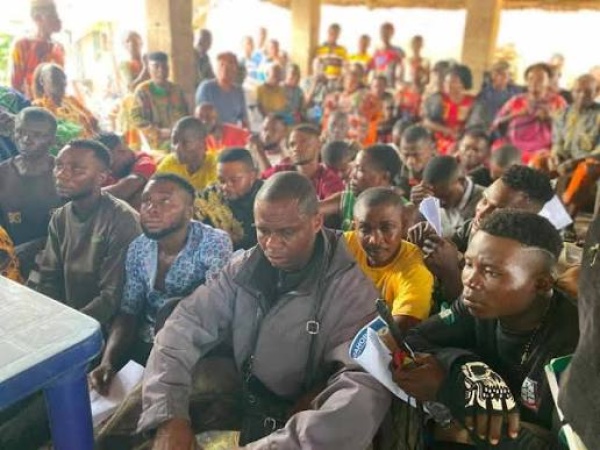
EiE deployed trained citizen observers across 12 local government areas and generated 532 polling-unit-level reports covering election readiness, accreditation, voting, technology, security, ballot secrecy, accessibility and counting.
While stating that most of the polling units monitored were peaceful and orderly, the organisation said its observers documented delayed arrival of election officials, materials and security personnel, BVAS and other technology failures, accessibility gaps, threats to ballot secrecy, voter intimidation and alleged vote buying.
“The majority of polling units monitored were peaceful and orderly. However, our observers also documented recurring challenges, including delayed arrival of election officials, materials and security personnel; BVAS and other technology failures; accessibility gaps; threats to ballot secrecy; voter intimidation; and alleged vote buying,” EiE said.
The organisation stressed that its findings were not statistically representative of every polling unit in Osun and did not establish that any particular irregularity determined the outcome of the election.
Rather, it said the reports provided field-level evidence of difficulties encountered by voters and raised questions about whether INEC's existing safeguards and systems responded as intended.
BVAS Problems in Seven LGAs
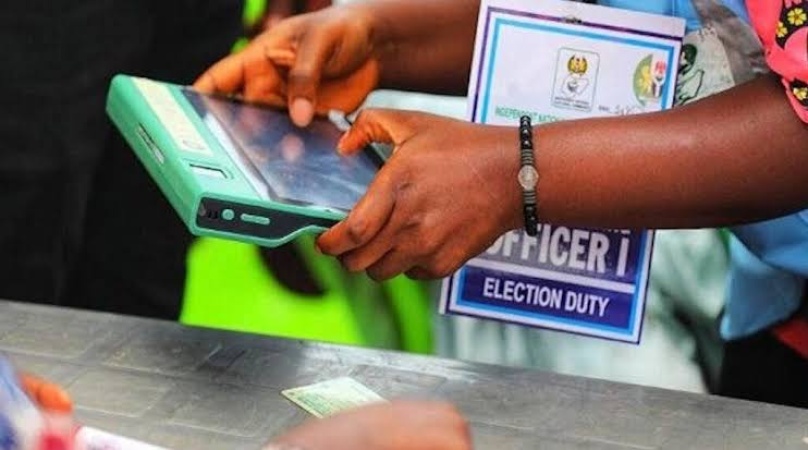
According to EiE, BVAS-related problems were reported in seven of the 12 local government areas observed, including devices failing to start, interruptions during accreditation, slow processing and difficulties capturing the facial data of elderly voters.
Observers also reported late arrival of election officials, materials or security personnel in parts of Osogbo, Ife Central and Olorunda.
In Olorunda and Ejigbo, EiE said its observers documented physically inaccessible polling locations and instances where EC40H forms were unavailable to voters requiring assistance.
The organisation also reported incidents involving threats to ballot secrecy and voter intimidation, including a reported assault on voters in Atakumosa West while police and Nigeria Security and Civil Defence Corps personnel were present.
EiE, however, noted that security personnel responded promptly to a comparable threat documented by observers in Olorunda.
The organisation further recorded alleged vote buying in five of the 12 local government areas observed but cautioned that the reports should not be treated as established criminal findings without proper investigation.
“If a BVAS failed, if a polling unit opened late, if a voter could not access a polling location or was intimidated while trying to vote, we need to know why it happened and what will be done differently before 2027,” said Akindeji Aromaye, Senior Media and Project Officer for Elections at EiE Nigeria.
“These are not just election-day incidents; they are signals of where existing systems need to work better for citizens,” Aromaye added.
Six Actions for INEC
EiE said it had prepared an advocacy memo for INEC and asked the Commission to prioritise six key actions ahead of 2027.
These include a review of election-day readiness and response, a structured assessment of BVAS and other technology failures, better use of citizen complaints for institutional learning and efforts to close the gap between INEC's accessibility commitments and the actual experiences of voters.
The group also called for stronger voter protection and security coordination and a more effective feedback mechanism through which credible findings from accredited observer organisations can be considered alongside INEC's internal data.
EiE said it would formally engage INEC in the coming days on the implementation gaps identified during its observation and the specific corrective measures required before the 2027 elections.
“The work of strengthening democracy cannot stop when the votes have been counted, and a winner has been declared,” said Ufuoma Nnamdi-Udeh, Executive Director of EiE Nigeria.
“INEC already has systems for election readiness, technology, citizen complaints, accessibility, observer engagement and election security. The opportunity now is to examine where those systems worked, where they did not, and what needs to change. We want the lessons from Ekiti and Osun to become improvements citizens can experience in 2027,” she said.
EiE said its engagement with the Commission would focus on comparing INEC's internal readiness, technology, citizen feedback, accessibility and security data with evidence generated by citizen observers and identifying gaps that could still be corrected and tested before the 2027 General Elections.
“The Osun election has ended. The institutional learning should not be overlooked, as the credibility of the 2027 General Elections rests on it,” the organisation said.



