ADAD
ADAD
Updating your news feed...
NEWS EXPRESS is Nigeria’s leading online newspaper. Published by Africa’s international award-winning journalist, Mr. Isaac Umunna, NEWS EXPRESS is Nigeria’s first truly professional online daily newspaper. It is published from Lagos, Nigeria’s economic and media hub, and has a provision for occasional special print editions. Thanks to our vast network of sources and dedicated team of professional journalists and contributors spread across Nigeria and overseas, NEWS EXPRESS has become synonymous with newsbreaks and exclusive stories from around the world.






.webp)





.webp)











Loading banners
Loading banners...

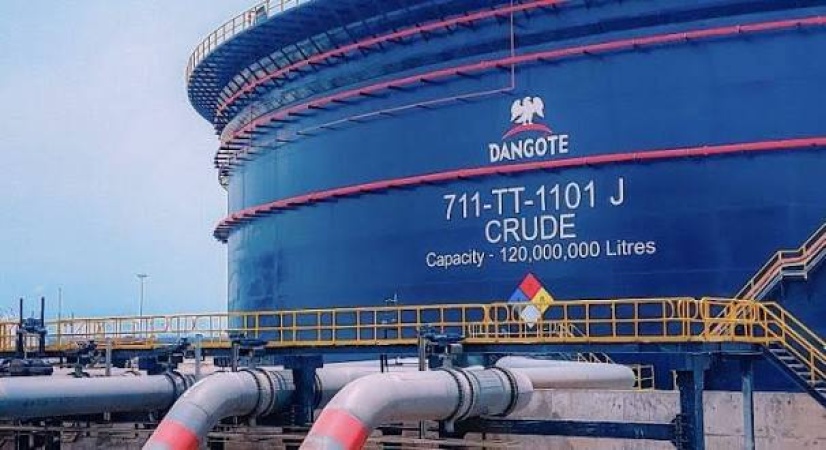
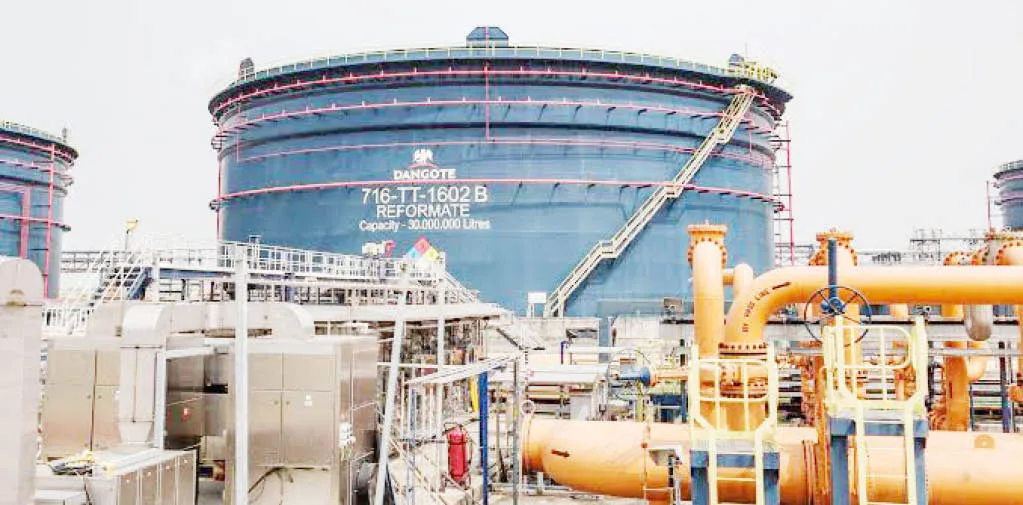
The Dangote Petroleum Refinery has emerged as the major driver of a seven-fold increase in Nigeria’s seaborne petroleum product exports since 2023, according to the latest report by the United States Energy Information Administration (EIA).
The U.S. agency said Nigeria’s seaborne petroleum product shipments averaged 561,000 barrels per day (bpd) in the second quarter of 2026, representing a significant increase from the annual average of 79,000 bpd recorded in 2023.
According to the EIA, the surge in exports has strengthened Nigeria’s position in the international petroleum products market at a time when supplies from several other regions have experienced constraints.
The agency attributed the increase largely to the commencement of operations at the Dangote Petroleum Refinery in January 2024.
However, the report was coming a day after the factsheet from the Nigerian Midstream and Downstream Petroleum Regulatory Authority (NMDPRA) indicated that Dangote fuel supply to the domestic market dropped significantly.
Supply of Premium Motor Spirit (PMS), popularly called petroleum by Dangote Petrochemical Refinery to the local market dropped by 21 per cent to 25.8 million litres per day in July.
According to the NMDPRA figure, the refinery produced 25.9 million litres of PMS per day and exported 3.4 million litres per day.
The July figure is the lowest the refinery supplied to the domestic market in 2026.
On the other hand, importation of the product increased by nine per cent to 19.7 million barrels per day from the 18.1 million litres imported in June.
This implies that the refinery has continued to export a large chunk of its products while at the same remaining the dominant supplier of petroleum products in Nigeria.
What the EIA report is saying?
Data from energy intelligence firm Vortexa showed that of the 561,000 bpd shipped during the second quarter of 2026, about 350,000 bpd were exported, compared with an annual average of 46,000 bpd in 2023.
The EIA said increased production from the refinery has transformed Nigeria’s petroleum products market by reducing dependence on imports while increasing domestic supply.
“With increased supply of petroleum products from the country’s largest refinery, imports fell, exports increased, and Nigeria became more self-sufficient in refined petroleum products,” the agency said.
Before the Dangote Refinery began operations, Nigeria’s state-owned refineries collectively shipped less than 100,000 bpd of petroleum products, both domestically and internationally.
The EIA noted that shipments increased significantly after the refinery commenced operations and received another boost following the completion of maintenance and expansion activities in February 2026.
The agency explained that the refinery’s crude distillation capacity rose from 650,000 bpd to 700,000 bpd after the completion of the expansion programme, allowing for higher output and greater availability of petroleum products.
According to the report, total petroleum product shipments increased further as supply disruptions through the Strait of Hormuz generated additional demand for alternative sources of refined petroleum products.
The EIA reported that intra-Nigerian shipments climbed to 211,000 bpd in the second quarter of 2026, compared with 81,000 bpd in 2025 and 33,000 bpd in 2023. The increase reflects the growing role of the Dangote Refinery in supplying petroleum products across the country.
By supplying refined petroleum products to various regions of Nigeria, the Dangote Refinery has significantly reduced the country’s dependence on imported fuels. Nigeria, which imported nearly 400,000 bpd of petroleum products in 2023, recorded a decline in seaborne imports to less than 130,000 bpd by the second quarter of 2026, according to the report.
The EIA also pointed to increasing demand for Nigerian petroleum products in international markets. Vortexa data cited by the agency showed that exports to Europe averaged 130,000 bpd in the second quarter of 2026, compared with 40,000 bpd in 2025 and 15,000 bpd in 2023.
Dangote Refinery has also announced plans to bring an additional 700,000 barrels per day (bpd) of fully complex refining capacity on stream by the end of 2028.
The additional capacity would be added to its current capacity of about 700,000 bpd, potentially bringing the refinery’s total capacity to around 1.4 million bpd.
The refinery’s CEO, David Bird, said long-lead equipment has already been procured and construction contracts are being awarded.
…Oil prices fall
Meanwhile, oil prices fell on Tuesday as hopes for a negotiated settlement between the United States and Iran offset growing concerns over tightening sanctions and disruptions to Iranian crude exports.
The Trump administration has intensified pressure on Tehran, threatening sanctions against commercial partners that continue trading with Iran.
The move comes amid a sharp decline in Iranian crude exports, which have fallen significantly below the 2025 average of 1.7 million barrels per day.
However, efforts by Pakistan to mediate between the two sides have raised hopes of a diplomatic breakthrough, easing some of the bullish momentum in the oil market.
Brent crude fell to around $89 per barrel yesterday it eased further to $88.40 as of press time as traders weighed the possibility of negotiations against the risk of further disruption to Iranian oil supplies.
Iran’s August crude exports have so far averaged only about 300,000 barrels per day, compared with last year’s average, while Chinese buyers have continued to take Iranian barrels from available stocks.
Reports hinted that prolonged restrictions on Iranian oil shipments could further tighten supplies, with Iranian floating storage outside the Gulf already declining. (Daily Trust)