ADAD
ADAD
Updating your news feed...
NEWS EXPRESS is Nigeria’s leading online newspaper. Published by Africa’s international award-winning journalist, Mr. Isaac Umunna, NEWS EXPRESS is Nigeria’s first truly professional online daily newspaper. It is published from Lagos, Nigeria’s economic and media hub, and has a provision for occasional special print editions. Thanks to our vast network of sources and dedicated team of professional journalists and contributors spread across Nigeria and overseas, NEWS EXPRESS has become synonymous with newsbreaks and exclusive stories from around the world.




















Loading banners
Loading banners...

By PRECIOUS CLEMENT-IDOWU
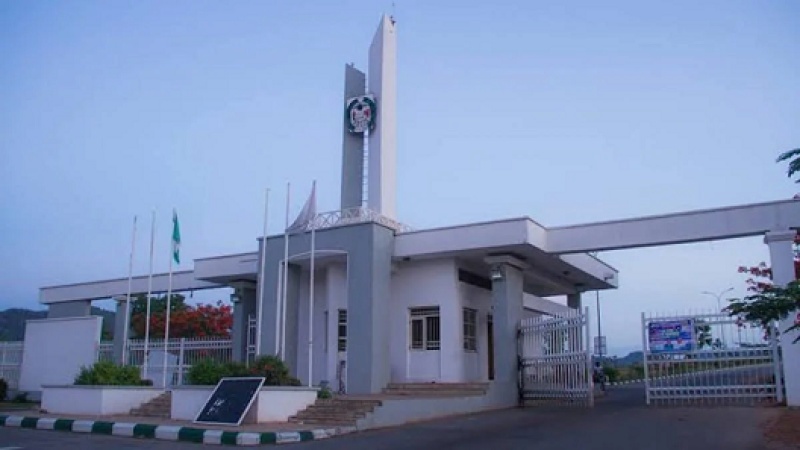
For many students at Yakubu Gowon University, Abuja, getting to lectures has become a daily struggle, with transport shortages forcing long walks, lateness and unexpected financial burdens.
Some of the students who spoke to the News Agency of Nigeria (NAN) on Thursday in Abuja expressed concern over persistent transportation challenges affecting movement across the sprawling campus.
They lamented that inadequate tricycles is disrupting academic activities and making daily commuting increasingly stressful.
The students also described long waiting times, limited vehicle availability and arbitrary fare increases as major obstacles to attending lectures and meetings on time.
A student, Ifeoluwa Olasehinde said the shortage of tricycles has become a recurring challenge, particularly during peak periods when demand is highest.
She said she sometimes waits 30 minutes without finding transportation and often resorts to trekking to avoid missing lectures.
According to her, the long walks leave her exhausted before classes begin, especially because her faculty is far from her hostel.
“One of the major challenges in this campus is the inadequate number of Keke (tricycle).
“It makes moving around difficult, particularly when many students come out for classes at the same time.
“Most times I have to trek to avoid missing lectures, and by the time I get to class after trekking for more than 30 minutes, I am already exhausted,” she said
Olasehinde added that the situation has forced her to leave her hostel earlier than necessary in hopes of securing transportation.
Another student, Fortune Chukwuneme, alleged that some tricycle operators avoid distant faculties and prefer routes with higher passenger demand.
He said drivers frequently refuse to take him to his faculty, causing lateness and affecting his concentration during lectures.
Chukwuneme also claimed he occasionally pays more than the approved fare just to reach class on time.
“Most keke drivers refuse to take me to my faculty because of the distance,” he said.
For Emeka Oduah, the challenge extends beyond delays to what he described as exploitative fares during urgent situations.
He said he has paid between N1,500 and N2,000 for trips that officially cost N100 because he was running late.
Oduah noted that the repeated expenses have placed additional pressure on his limited student allowance.
Francesca Omenogor said some drivers refuse to transport lone passengers to certain faculties unless more students join the trip.
She explained that waiting for additional passengers often consumes valuable time and affects her academic schedule.
Although trekking helps save money, Omenogor said it frequently leaves her exhausted during lectures.
A lecturer in the Department of Development and Strategic Communication, Dr Auwal Sani, confirmed the transportation difficulties.
Sani said the problem becomes more severe on weekday mornings and late afternoons when movement across campus peaks.
He noted that the university’s large size makes transportation essential for many students and members of staff without private vehicles.
According to him, obtaining a tricycle during examinations or busy lecture periods can be extremely difficult.
To cope, Sani said he plans movements ahead of time, leaves early for engagements and sometimes walks short distances.
“During examinations and periods when lectures are beginning or ending, getting a Keke becomes very difficult.
“I often plan my movements ahead, leave earlier for meetings and lectures, and sometimes walk short distances when transportation is unavailable,” he said.
He attributed the challenge to growing student and staff populations competing for a limited number of tricycles.
The lecturer recommended increasing approved tricycles, strengthening oversight and introducing a structured shuttle service with fixed routes.
He also suggested constructing more hostels to reduce transportation pressure across the campus.
A tricycle operator blamed the situation on rising demand and an insufficient number of vehicles during peak periods.
The operator argued that the approved N100 fare is becoming difficult to sustain amid prevailing economic realities.
The students and members of staff urged the university authorities to intervene before the transportation crisis further affects learning and productivity.
Efforts by NAN reporter to obtain comments from the Students’ Union Government (SUG) official in charge of transportation were unsuccessful, as no response had been received at the time of filing this report.
Meanwhile, as the students continue to face the transportation challenges, stakeholders are urging the university authorities to urgently address the crisis.
They called on the school authority to increase tricycles, improve regulation, and introduce structured shuttle services to ease movement across campus. (NAN)