Updating your news feed...
NEWS EXPRESS is Nigeria’s leading online newspaper. Published by Africa’s international award-winning journalist, Mr. Isaac Umunna, NEWS EXPRESS is Nigeria’s first truly professional online daily newspaper. It is published from Lagos, Nigeria’s economic and media hub, and has a provision for occasional special print editions. Thanks to our vast network of sources and dedicated team of professional journalists and contributors spread across Nigeria and overseas, NEWS EXPRESS has become synonymous with newsbreaks and exclusive stories from around the world.



















Loading banners
Loading banners...

Nigeria could face a new set of economic opportunities and challenges following the initial 14-point Memorandum of Understanding (MOU) reached between the United States and Iran, a development analysts say may reshape global energy markets and alter fiscal projections for oil-producing nations.
The agreement, scheduled for formal signing in Switzerland on Friday, provides for an immediate ceasefire, the reopening of the Strait of Hormuz, phased sanctions relief for Iran, and an ambitious economic rehabilitation programme estimated at $300 billion.The deal has been widely welcomed as a major step toward reducing tensions in the Middle East and restoring stability to global oil supplies.
For Nigeria, however, the implications are expected to be mixed.
A key provision of the agreement is the reopening of the Strait of Hormuz, a strategic maritime corridor through which a significant share of global seaborne crude oil exports passes. The restoration of shipping activities and the removal of restrictions on Iranian oil exports are expected to improve energy supply flows and ease disruptions that have contributed to elevated oil prices in recent months.
Energy analysts note that while improved stability could reduce shipping costs and insurance premiums for crude exporters, the return of Iranian oil to international markets may place downward pressure on global crude prices.
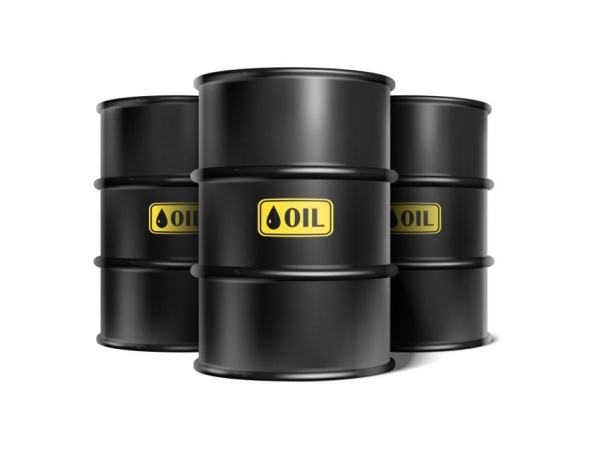
With crude oil accounting for more than 80 per cent of Nigeria’s foreign exchange earnings and approximately half of government revenues, any sustained decline in oil prices could affect fiscal performance and budget implementation.
Market observers estimate that increased Iranian production could reduce global crude prices by between $5 and $15 per barrel over the medium term, depending on compliance with the agreement and the response of the Organisation of Petroleum Exporting Countries and its allies (OPEC+).
The development comes at a time when Nigeria is already grappling with fiscal pressures arising from subsidy reforms, rising debt servicing costs and ongoing efforts to boost crude production.
Beyond oil prices, the agreement could also create new economic opportunities. The lifting of sanctions and Iran’s gradual reintegration into the global economy may open avenues for expanded trade and investment between both countries.
Industry stakeholders say Nigerian businesses could explore partnerships in refining, petrochemicals, pharmaceuticals, agriculture and technology as Iran embarks on large-scale reconstruction and infrastructure modernisation.
The agreement may also strengthen multilateral cooperation, particularly if the final accord is backed by a United Nations Security Council resolution as envisaged in the framework.
However, experts caution that increased Iranian output could complicate dynamics within OPEC+, where Nigeria has often faced production constraints and struggled to meet its assigned quotas. There are also concerns that renewed Western investment and reconstruction funding flowing into Iran could divert some foreign direct investment away from African energy markets.
On the geopolitical front, the deal’s emphasis on sovereignty, non-interference and the avoidance of further military escalation is expected to reduce regional tensions and improve security conditions across the Middle East.
Analysts believe this could benefit Nigeria through safer maritime trade routes, improved global economic confidence and enhanced international cooperation on security matters.
Economic advisers in Abuja are expected to closely monitor developments and assess the possible impact on government revenue projections, exchange rate stability and the long-term competitiveness of domestic refining projects, including the Dangote Refinery.
Speaking on the implications of the agreement, energy policy analyst Dr. Aisha Bello said the development should serve as a reminder of Nigeria’s continued exposure to external oil market shocks.
According to her, while the deal may support global stability and provide short-term benefits for consumers, it underscores the urgency of diversifying Nigeria’s economy, strengthening domestic refining capacity and expanding non-oil exports.
As negotiations move toward a final agreement over the next 60 days, policymakers, investors and industry operators will be watching closely. While the accord may contribute to lower fuel costs and improved global energy security, its long-term consequences for Nigeria will depend largely on the country’s ability to reduce its reliance on crude oil revenues and build greater economic resilience.