Updating your news feed...
NEWS EXPRESS is Nigeria’s leading online newspaper. Published by Africa’s international award-winning journalist, Mr. Isaac Umunna, NEWS EXPRESS is Nigeria’s first truly professional online daily newspaper. It is published from Lagos, Nigeria’s economic and media hub, and has a provision for occasional special print editions. Thanks to our vast network of sources and dedicated team of professional journalists and contributors spread across Nigeria and overseas, NEWS EXPRESS has become synonymous with newsbreaks and exclusive stories from around the world.





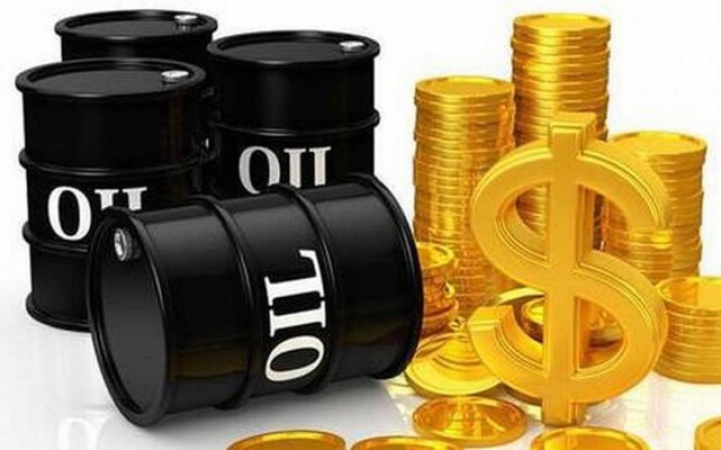
Nigerian crude is commanding prices not seen in recent times, with benchmark grades clearing $113 a barrel and select spot cargoes changing hands as high as $130, as buyers from Rotterdam to Singapore scramble for alternatives to Middle Eastern barrels they can no longer reliably source.
Bonny Light, Qua Iboe, and Brass River, the light sweet grades that have long been Nigeria’s calling card in global oil markets, are now trading at premiums of roughly $5 above Brent, which itself climbed as much as 2.5 percent on Monday to $108 a barrel, according to shipping data tracked by BusinessDay on Monday.
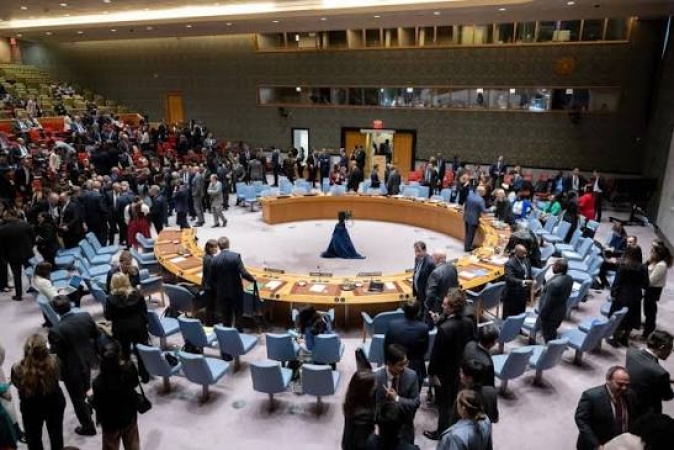
West Texas Intermediate pushed toward $97. The moves came after a fresh round of ceasefire negotiations over the Iran conflict collapsed over the weekend, and shipping data showed the Strait of Hormuz remaining effectively closed to commercial tanker traffic for a sixth consecutive week.
“When Hormuz goes, the whole system reprices,” said Tunde Akinbobola, a Lagos-based energy analyst attached to a Big Four consulting firm. “But it doesn’t reprice evenly. Refiners don’t just want any crude, they want barrels they can run efficiently, and right now that means low-sulfur West African grades are in a league of their own.”
The spike in Nigerian grades reflects a split that has been widening in crude markets for months but has now turned into a chasm.
Iranian heavy sour crude, which accounts for a significant share of Middle Eastern exports and feeds refineries across Asia, has effectively vanished from the spot market. So has much of the Iraqi and Kuwaiti supply that normally transits the Gulf.
What refiners, particularly in Europe and Asia, are left chasing is sweet crude: low-sulfur barrels that can be processed more easily into high-value products like jet fuel and diesel without the expensive desulfurisation units that heavy sour crude demands.
Nigerian grades fit that profile precisely. Bonny Light carries a sulfur content of around 0.14 percent. Qua Iboe is similarly clean. In a market already running short on supply, that chemistry is worth a great deal.
“Indian and South Korean refiners in particular have been on the phone every day,” said one crude trader at a major European oil house, who asked not to be named because he was not authorised to speak publicly. “They’d normally run a blend of Gulf crude and supplementary barrels. Right now, West Africa is the supplementary barrel and the Gulf barrel. It’s doing double duty.”
The timing could hardly be better for Nigeria’s finances, and hardly more complicated for its policymakers.
Crude production reached approximately 1.84 million barrels per day in April 2026, according to government data, a sharp recovery from the 1.3 to 1.5 million bpd the country was pumping earlier in the year, when oil theft, pipeline vandalism, and chronic underinvestment had gutted output.
The figure now aligns with both Nigeria’s 2026 budget benchmark and, after years of routine non-compliance, its OPEC production quota, excluding condensates, of 1.5 million bpd.
But a structural tension is sharpening beneath the headline numbers. The Dangote Petroleum Refinery, which has transformed Nigeria’s domestic fuel supply over the past year, requires approximately 15 crude cargoes per month to run at its nameplate capacity of 650,000 barrels per day.
The Nigerian National Petroleum Company has managed to allocate roughly 10 cargoes per month, a gap that leaves the refinery perpetually short of feedstock even as the country exports the same crude to foreign buyers at record prices.
“You have a situation where Nigeria is effectively choosing between earning dollars today and building energy security for tomorrow,” said Akinbobola.
“At $113 a barrel, every cargo that goes to an Asian refinery instead of Dangote is real money. But every cargo that doesn’t go to Dangote is a potential fuel supply problem three months from now.”
The NNPC has not publicly disclosed how it is resolving the allocation conflict, and the corporation did not respond to a request for comment ahead of publication.
Oil market analysts are divided on how long Nigerian grades can sustain their current premiums.
If diplomatic talks over Iran resume, and both Washington and Tehran have signalled, without commitment, that channels remain open, Hormuz traffic could normalise faster than the market currently expects, redirecting Asian demand back toward Gulf barrels.
“The premium is real but it’s fragile,” said Obi. “It’s built on a geopolitical situation that could shift in 48 hours. Nigeria should be thinking about what happens to its fiscal position if Brent drops ten dollars on a ceasefire announcement.” (Business Day)