
ADVERTISEMENT

ADVERTISEMENT

ADVERTISEMENT

ADVERTISEMENT

Loading banners


NEWS EXPRESS is Nigeria’s leading online newspaper. Published by Africa’s international award-winning journalist, Mr. Isaac Umunna, NEWS EXPRESS is Nigeria’s first truly professional online daily newspaper. It is published from Lagos, Nigeria’s economic and media hub, and has a provision for occasional special print editions. Thanks to our vast network of sources and dedicated team of professional journalists and contributors spread across Nigeria and overseas, NEWS EXPRESS has become synonymous with newsbreaks and exclusive stories from around the world.
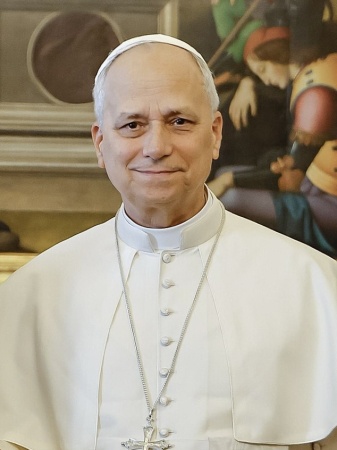
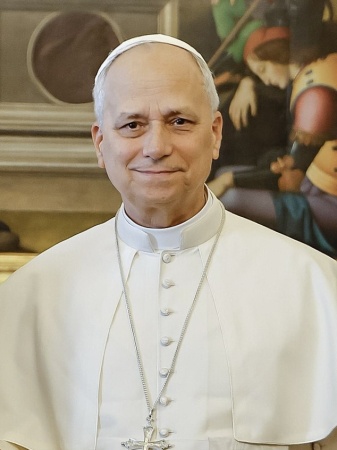
Pope Leo XIV
•Tells Pope Leo XIV to redress imbalance
By BONIFACE AKARAH
The International Society for Civil Liberties and Rule of Law (Intersociety) has raised concerns over what it described as a significant imbalance in the appointment of Catholic Cardinal-Electors in Africa, urging Pope Leo XIV to address the disparity as part of ongoing reforms within the global Church.
In a statement issued Monday in Onitsha, the group said the current structure of cardinal representation does not reflect the size and strategic importance of Africa’s Catholic population, particularly in countries facing security threats and religious persecution.
The statement, signed by Emeka Umeagbalasi and other officials of the organisation, noted that out of the Vatican’s 243 Cardinals, only 121 are Cardinal-Electors, with African countries largely limited to one elector each regardless of population size.
Intersociety described the situation as “imbalanced and inequitable,” arguing that countries such as the Democratic Republic of Congo and Nigeria, with tens of millions of Catholics, are underrepresented in comparison to nations in other regions.
It cited examples including Brazil, Mexico, the United States, the Philippines, and Argentina, where multiple Cardinal-Electors have been appointed in proportion to their Catholic populations, contrasting this with Africa’s limited representation.
The group pointed out that Uganda and Kenya currently have no active Cardinal-Electors, noting that their existing cardinals are above the age threshold required to participate in papal conclaves.
It called for the immediate appointment of at least two Cardinal-Electors each for Uganda and Kenya, as well as increased representation for countries such as Cameroon, Angola, Tanzania, the Democratic Republic of Congo, and Nigeria.
Intersociety further stressed that beyond numbers, the selection process should prioritise what it described as “episcopal bravery, boldness and Christ-like leadership,” particularly in regions experiencing violence and persecution.
The group also criticised what it termed the appointment of “government apologists and double speakers” into influential Church positions, warning that such choices could weaken the Church’s moral authority in addressing sensitive issues.
Referencing Nigeria, the organisation alleged that some Church leaders had downplayed reports of violence against Christians, attributing such narratives to external pressures and political influence.
It added that any future appointments should reflect the realities on the ground and support leaders who have consistently spoken out on issues affecting their congregations.
Intersociety concluded by urging the Vatican to consider broader structural reforms that would strengthen the Church’s presence and leadership capacity in Africa, particularly in countries where the faith is growing but faces mounting challenges.


