ADAD
ADAD
Updating your news feed...
NEWS EXPRESS is Nigeria’s leading online newspaper. Published by Africa’s international award-winning journalist, Mr. Isaac Umunna, NEWS EXPRESS is Nigeria’s first truly professional online daily newspaper. It is published from Lagos, Nigeria’s economic and media hub, and has a provision for occasional special print editions. Thanks to our vast network of sources and dedicated team of professional journalists and contributors spread across Nigeria and overseas, NEWS EXPRESS has become synonymous with newsbreaks and exclusive stories from around the world.

























Loading banners
Loading banners...


A powerful storm will rapidly intensify and expand across the central United States from Sunday into Monday, bringing widespread disruptions for millions. Blizzard conditions and high winds are expected in parts of the Upper Midwest, while strong thunderstorms, heavy rain and gusty winds affect areas further south and east.
The storm will rank among the top impactful United States weather events of the year so far.
At some point during the storm’s evolution, its wind, rain, thunderstorms, snow or cold air could impact areas home to nearly 200 million people across the central and eastern U.S.
“The storm from Sunday into Monday has the potential to become a bomb cyclone, which occurs when central pressure drops at least 0.71 inches of mercury (24 millibars) in 24 hours or less,” AccuWeather Chief On-Air Meteorologist Bernie Rayno said. “That rapid strengthening would generate an expansive and intense wind field.”
“The system will draw in significant Pacific moisture then tap Gulf and Atlantic moisture as it advances across the Central and Northeastern states,” AccuWeather Senior Meteorologist Matt Benz added.
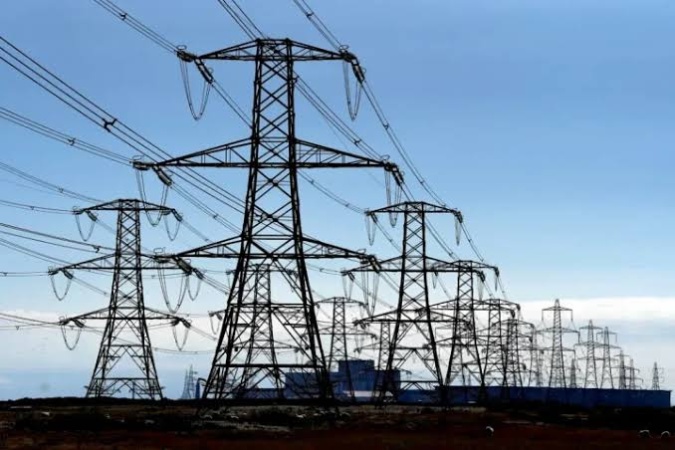
The storm's expansive winds may affect dozens of states. Power outages could reach the hundreds of thousands to millions, coming just days after a powerful windstorm swept from the Rockies to the Northeast.
Flight delays and cancellations from Sunday through Monday night could climb into the thousands. Major hubs, including Denver, Chicago, Detroit, Atlanta, Pittsburgh, New York City, Philadelphia, Boston, Washington, D.C., and Charlotte, may be affected, along with numerous connecting airports in between.
Schools in parts of the Midwest that are not on spring break may close early next week as the storm moves through. Those returning from spring break could face significant travel disruptions.
Blizzard may unfold with whiteouts, heavy snow
“Travel is likely to be especially hazardous Monday, as snow, strong winds and bitter cold combine to produce blizzard conditions across northern portions of the Mississippi Valley and the Great Lakes region,” Rayno said. "Actual temperatures may be no better than the teens and single digits in much of this area with AccuWeather Temperatures near or below zero for a time."
A large swath of heavy snow is anticipated with this storm by AccuWeather's team of meteorologists.Blizzard conditions are possible in portions of Wisconsin, Michigan, Iowa, northern Illinois and southeastern Minnesota. Enough snow to shovel and plow will extend from parts of the Dakotas to northern Michigan. Within this zone, from 1-3 feet of snow is forecast to pile up from near Minneapolis and Green Bay, Wisconsin, to Michigan's Upper Peninsula. Rain and a wintry mix will change to some snow in southern Michigan and around Chicago.
A powerful cold front with Arctic air in its wake will advance eastward through the Mississippi, Ohio and Tennessee valleys Sunday and Sunday night, reaching the Appalachians and the Atlantic Seaboard Monday and Monday night.
Temperatures will surge to April and May-like levels ahead of the front on south to southeast breezes. As moisture is added from the Gulf and Atlantic areas, showers will break out ahead of the front from Sunday to Monday, near the Gulf and farther to the east.
The effects of the storm from Saturday night to Monday night will be preceded by a potent clipper storm that will travel along the northern tier of the Midwest and Northeast into Friday night. That storm will pack a punch with heavy snow and even blizzard conditions across the northern tier, along with far-reaching strong winds from the Rockies to the Atlantic Coast.
Tens of millions of people in the East woke up Thursday morning to temperatures 25-50 degrees lower than those recorded Tuesday and Wednesday afternoons, as the first front erased the May-like warmth. Up to a few inches of wet snow covered non-paved surfaces in parts of the mid-Atlantic and southern New England states Thursday afternoon and evening.
A second front will slice southeastward in the wake of the clipper storm and will briefly knock down temperatures once again in the Midwest and Northeast. However, its effects will be short-term and overridden by the upcoming massive storm from later this weekend to next week.
Arctic air will sweep through much of the Plains and Mississippi Valley from late Sunday into Sunday night, reaching the Appalachians later Monday behind the storm’s cold front.
The cold air may lose some of its impact east of the Appalachians, but many areas along the Atlantic Seaboard will still feel some of the lowest temperatures in weeks from Tuesday to Thursday.
Want heat? Head to the Southwest
While the massive Midwest storm triggers a renewed blast of winter across the central and eastern U.S. next week, record warmth will continue building across the Southwest following much of the region’s warmest winters on record. (AccuWeather)
• From blizzards to dust storms to tornadoes and flash flooding, this weekend will bring major threats of all kinds to eastern U.S