ADAD
ADAD
Updating your news feed...
NEWS EXPRESS is Nigeria’s leading online newspaper. Published by Africa’s international award-winning journalist, Mr. Isaac Umunna, NEWS EXPRESS is Nigeria’s first truly professional online daily newspaper. It is published from Lagos, Nigeria’s economic and media hub, and has a provision for occasional special print editions. Thanks to our vast network of sources and dedicated team of professional journalists and contributors spread across Nigeria and overseas, NEWS EXPRESS has become synonymous with newsbreaks and exclusive stories from around the world.











Loading banners
Loading banners...

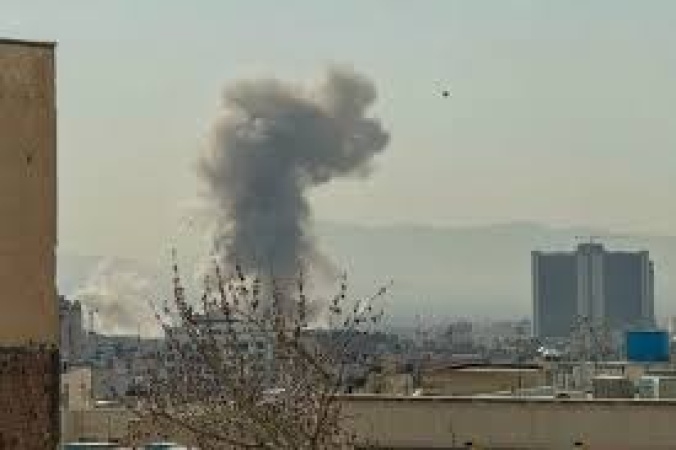
The United States and Israel began coordinated strikes on Iran, codenamed Operation Roaring Lion by Israel and Epic Fury by the US, on Saturday.
The attacks have already claimed the lives of Iran’s Supreme Leader, Ayatollah Ali Khamenei, former President Mahmoud Ahmadinejad, Minister of Defence, Aziz Nasirzadeh, and dozens of other senior officials.
Expectedly, there have been retaliatory attacks from Iran, including missile barrages on Israel and US assets in the Gulf, which have claimed the lives of three US service members and seriously wounded five others, according to US Central Command.
The war has spread to Lebanon, with Israeli “retaliatory” strikes on Iran-allied Hezbollah targets, and shows no signs of quick resolution, as President Donald Trump has indicated operations could last weeks.
The fighting may be happening thousands of kilometres away, but its ripples are being felt in Nigeria, Africa’s largest oil producer and a nation deeply linked with global energy markets.
Ongoing and potential impacts on Nigeria range from economic windfalls to security risks, highlighting how a distant war could reshape daily lives, the economy, and stability.
Nigeria, which relies on oil for about 90% of its export earnings and a huge chunk of government revenue, stands to gain from the war-induced spike in crude prices.
Bloomberg data shows Brent crude has already climbed to around $78 per barrel amid fears of disruptions in the Strait of Hormuz, through which 20% of global oil passes.
This exceeds Nigeria’s 2026 budget benchmark of $64.85 per barrel, potentially adding billions in extra revenue to the Federation Account Allocation Committee (FAAC) distributions to federal, state, and local governments.
Analysts estimate Nigeria could earn an additional $1.3 billion in March alone if prices sustain above $80.
This windfall might fund infrastructure projects or shore up foreign reserves, which stood at around $35 billion pre-conflict.
However, as seen in past Gulf crises, such gains are volatile and depend on the war’s duration. President Trump’s hints at a four-week campaign could prolong the rally.
Despite being an oil exporter, Nigeria still imports refined petroleum products, making the nation vulnerable to global price surges.
The conflict has already pushed oil to $72.87 per barrel, and experts warn of spikes to $100 if Iran closes the Strait of Hormuz.
This could translate to higher petrol (PMS) and diesel prices domestically, worsening the pain from the 2023 subsidy removal.
If PMS costs rise further, low-income households would be hit the hardest.
Sustained output from the Dangote Refinery should cushion the imports, but with global refining margins tightening due to disrupted Middle Eastern supplies, everyday Nigerians could face N1,000+ per litre soon.
Financial expert, Dr Thompson Akhigbe, disclosed in February that Nigeria’s inflation rate eased slightly to 15.10% in January 2026 from 15.15% in the prior month, marking the tenth consecutive monthly decline.
However, there are fears that the war’s oil shock could reverse the gains. Higher fuel costs ripple through transportation, food production, and electricity generation because many industries and homes rely on diesel generators amid grid failures.
Food prices, a major inflation driver, could surge as trucking fees rise, affecting staples like rice and garri.
Globally, similar conflicts have led to 5-10% inflation jumps in import-dependent economies; for Nigeria, with its naira volatility, this could deepen poverty, affecting 100 million already below the line.
On a positive note, increased oil prices could improve Nigeria’s current account balance, attracting more foreign exchange and stabilising the naira.
With crude exports generating more dollars, the Central Bank of Nigeria (CBN) might intervene more effectively in forex markets, potentially appreciating the naira from its current N1,360/$ rate.
However, global risk aversion, like investors fleeing to safe havens like US Treasuries, could offset this, leading to capital outflows and naira depreciation.
Some analysts have noted this paradox: short-term gains for the government, but long-term volatility for businesses.
Fears persist that the war could embolden Islamic extremists in the Sahel and Horn of Africa, where Iran has funded groups via proxies.
In Nigeria, Iran’s support for Shia movements and potential ties to Boko Haram or ISWAP could intensify if Tehran seeks revenge through asymmetric warfare.
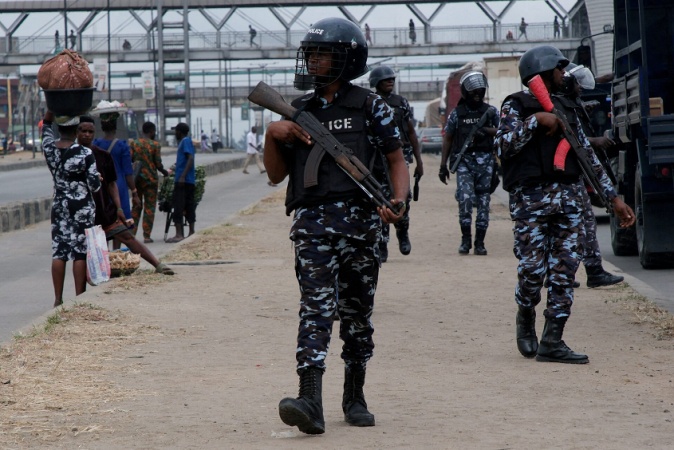
Members of the pro-Iran Islamic Movement in Nigeria (IMN), popularly known as Shi’ites, on Sunday protested in Gombe, Niger, Kano, Bauchi, Yobe, and Sokoto states over Khamenei’s killing.
Analysts also warn of spillover; weakened Iranian leadership might lead to drone transfers to Sudanese or Sahelian militants, threatening Nigeria’s northern borders.
With millions of IDPs already from internal conflicts, any escalation could further strain military resources.
The conflict threatens key shipping routes like the Strait of Hormuz, potentially delaying imports of machinery, electronics, and wheat, which is vital for Nigeria’s manufacturing and food security.
Airspace closures in the Middle East have already stranded travellers and disrupted cargo flights, which could raise costs for Nigerian importers.
In Lagos ports, delays could worsen congestion, hitting businesses reliant on Chinese or European goods.
Broader market jitters have caused stock futures to sink globally, although the Nigerian Stock Exchange has not experienced a significant impact.
With Gulf airlines like Emirates and Qatar Airways facing disruptions, flight routes to Europe and Asia could be rerouted, increasing fares and travel times for Nigerians.
Remittances from the diaspora, which stand at $20 billion annually, might dip if Gulf-based Nigerians face instability, as explosions have hit Dubai, Doha, Bahrain and others.
This could hurt household incomes across many states in Nigeria.
Iran produces approximately 4% to 4.5% of the global oil supply, according to early 2026 data.
As Iranian output falters, Nigeria’s Bonny Light crude could fill gaps, boosting exports to Europe and Asia.
If the conflict prolongs, OPEC+ might relax quotas, allowing Nigeria to ramp up production from 1.4 million barrels per day. (The Sun)