ADAD
ADAD
Updating your news feed...
NEWS EXPRESS is Nigeria’s leading online newspaper. Published by Africa’s international award-winning journalist, Mr. Isaac Umunna, NEWS EXPRESS is Nigeria’s first truly professional online daily newspaper. It is published from Lagos, Nigeria’s economic and media hub, and has a provision for occasional special print editions. Thanks to our vast network of sources and dedicated team of professional journalists and contributors spread across Nigeria and overseas, NEWS EXPRESS has become synonymous with newsbreaks and exclusive stories from around the world.












Loading banners
Loading banners...

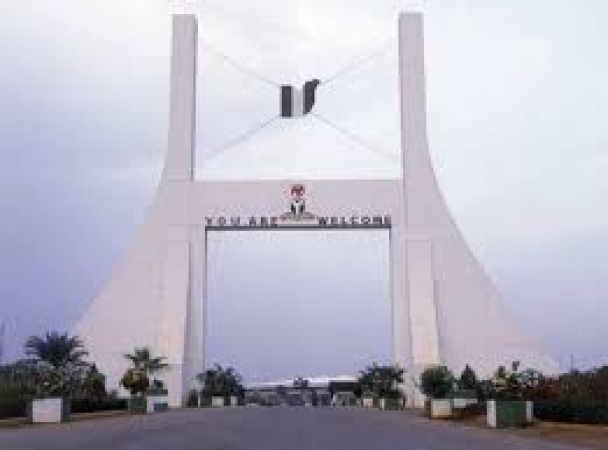
As voters head to the polls for the Federal Capital Territory (FCT) Area Council elections today, civil society heavyweights have condemned a cascade of mismatched movement restrictions from top officials, branding them as signs of disarray that could enable electoral foul play.
The Civil Society Legislative Advocacy Centre (CISLAC) and Transition Monitoring Group (TMG) issued a scathing joint statement, signed by CISLAC Executive Director and TMG Chairman Auwal Musa Rafsanjani, accusing authorities of fumbling a critical national exercise. “The restriction of movement announced ahead of the Area Council elections in the Federal Capital Territory (FCT) is poorly coordinated, contrary to the national interest, and capable of fueling allegations of electoral manipulation,” the statement reads.
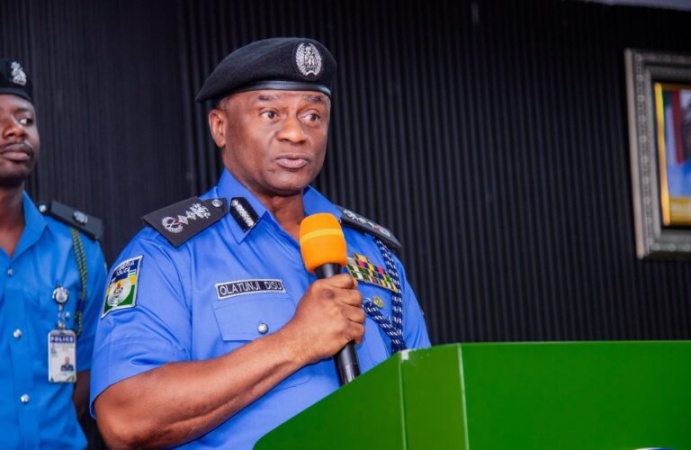
The controversy erupted from conflicting orders by FCT Minister Nyesom Wike and Police Commissioner Miller Dantawaye. Wike declared a sweeping restriction “across the FCT from 8:00 p.m. on Friday to 6:00 p.m. on Saturday,” directing security agencies to “ensure full compliance.” In contrast, Dantawaye announced a narrower window “from 6:00 a.m. to 6:00 p.m. on Saturday, February 21, 2026, in view of the scheduled Area Council elections.”
CISLAC and TMG seized on this mismatch, stating bluntly: “The discrepancy between the minister’s directive and the police announcement reflects a troubling lack of coordination and unity among public institutions on matters of national interest.”
They highlighted how such “lack of harmonisation among security and government authorities” – coupled with “conflicting timelines issued by different offices” – deviates from tradition, where restrictions typically span “from 7:00 a.m. to 3:00 p.m.” on Election Day.
The groups argued that the extended timeframe has “heightened public suspicion, with some Nigerians alleging that the directive could be linked to a potential electoral rigging agenda.” They emphasised that “issues of national importance, particularly elections, require unified communication and strategic coordination to avoid confusion, panic, and loss of public trust.”
In a pointed rebuke, they added: “Elections are not a war and should not be treated as such.” With many FCT residents observing Ramadan amid economic woes, the restrictions threaten basic rights. “Citizens observing Ramadan must not be prevented from carrying out their religious obligations,” the statement insists.
“Residents need the freedom to perform prayers, purchase essential items, and attend to other basic needs, especially amid the prevailing economic hardship in the country, where many people cannot afford to stock up on supplies and must go out daily to work and earn money before purchasing food items.”
CISLAC and TMG warned that “imposing stringent restrictions without clear justification raises suspicion and undermines confidence in the electoral process.” They demanded immediate rectification: “We call on relevant authorities to align their positions, ensure clarity in public communication, and prioritise citizens’ rights while maintaining electoral security.” (The Sun)