
Updating your news feed...
NEWS EXPRESS is Nigeria’s leading online newspaper. Published by Africa’s international award-winning journalist, Mr. Isaac Umunna, NEWS EXPRESS is Nigeria’s first truly professional online daily newspaper. It is published from Lagos, Nigeria’s economic and media hub, and has a provision for occasional special print editions. Thanks to our vast network of sources and dedicated team of professional journalists and contributors spread across Nigeria and overseas, NEWS EXPRESS has become synonymous with newsbreaks and exclusive stories from around the world.














Loading banners
Loading banners...

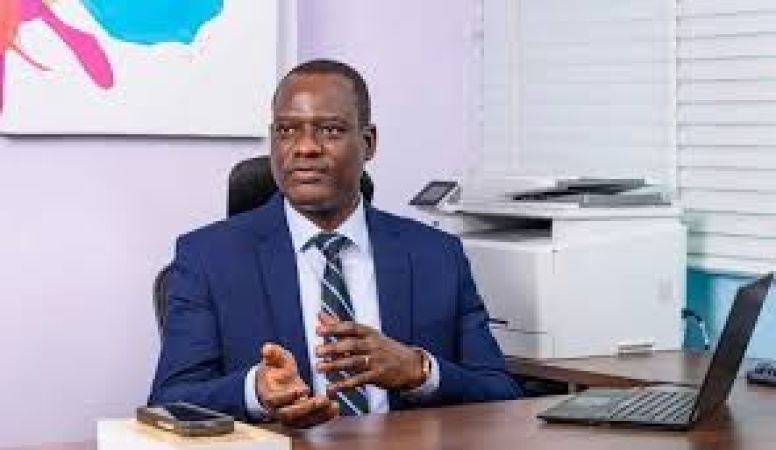
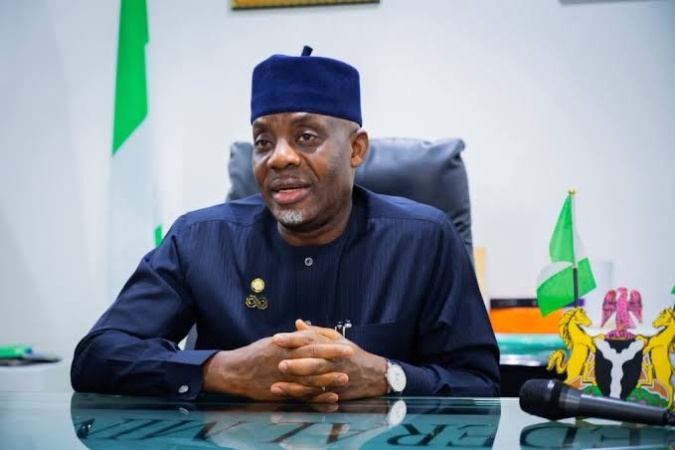
Chairman of the Presidential Committee, Mr Taiwo Oyedele
Nine state governments have domesticated the new tax laws aimed at ending the era of multiple taxation and uncoordinated levies.
They are Bayelsa, Anambra, Ekiti, Gombe, Kogi, Nasarawa, Plateau, Kwara and Zamfara.
The remaining 27 are likely to follow suit soon, The Nation gathered.
Sources said the domestication of the new tax laws by the state governments will complement the efforts of the Presidential Fiscal Policy and Tax Reforms Committee and the Joint Revenue Board (JRB) in creating a more efficient revenue system for the country.
The committee had developed a model Tax Harmonisation Law for adoption by states and local governments to address the challenges posed by uncoordinated collections, including those by non-state actors.
Chairman of the Presidential Committee, Mr. Taiwo Oyedele, said it was imperative for the states to enact their own tax harmonisation law to address multiple taxations at state and local government levels.
The Joint Revenue Board described the steps taken by the nine states as a key component of reforms designed to eliminate illegal tax collection and provide a clearer fiscal environment for businesses and citizens alike.
Kogi State Governor Ahmed Ododo signed the state’s domesticated tax bills into law on January 1.
They are the Kogi State Internal Revenue Service (Establishment) Law, 2025 and Kogi State Taxes and Levies (Approved List for Collection) Law, 2025.
According to him, the move is expected to boost the state’s revenue, enhance transparency and promote economic growth.
He said the laws exempt low-income earners – individuals earning below N800,000 annually – from tax payment and will also encourage increased investment, simplify tax processes and reduce compliance costs to attract businesses.
Other benefits are “technology-driven efficiency: Digitalised tax administration will reduce human interference and promote accountability.”
“The New Tax Laws aim to support structural reset, drive harmonisation and protect dignity rather than raise tax obligations,” Governor Ododo explained.
The Bayelsa State Joint Revenue Board said on its X handle that the domestication of the tax laws represents “a significant milestone in the modernisation of revenue administration in the state”.
It said the landmark law, which is the first to be signed by a state in the South-South Geopolitical Zone, has the objectives of eliminating multiple taxation by streamlining the pre-existing collectibles of nearly sixty to just nine collectible heads.
It said the law also outlaws roadblocks for the collection of taxes, levies and charges, de-emphasises cash collection and utilises technology to ensure transparency in tax administration, while plugging revenue leakages.
The harmonised framework is also expected to improve taxpayer compliance, boost investor confidence, and support the state’s economic development.
It acknowledged the collaborative efforts of the state government, the legislature, and the state Internal Revenue Service in driving the reform forward, which aligns with the national tax reform initiative of the Tinubu administration, underscoring the state’s commitment to transparency and good governance.
Chairman of the Anambra Internally Generated Revenue Services (AIRS), Dr Greg Ezeilo, told The Nation that the domestication of the tax laws in the state has ended the era of paying cash into government treasury.
Ezeilo said the AIRS under his leadership will be intentional, firm and transparent in its enforcement approach, emphasising that there will be “no mercy for tax evaders” in the state.
Ezeilo also said the agency would, in the coming weeks, organise town hall meetings to deepen engagement with tax stakeholders across the state.
The Executive Chairman of the Delta State Internal Revenue Service (DSIRS), Mr. Solomon Igharakpata, said the state government was in the process of domesticating the new tax laws.
According to Igharakpata, the new tax legislation will be transmitted to the State House of Assembly before the end of this month.
“We are already in the process. I am confident that before the end of this month, it will reach the House of Assembly,” he declared.
The other states are working on passing and gazetting their own versions of the law. Officials believe this momentum signals a shift toward a more transparent and investor-friendly framework across Nigeria.
At a recent tax reform summit held in Lagos, Mr. Oyedele said sub-national tax transformation is central to Nigeria’s economic survival.
He said the goal of the new tax law was not to introduce new or higher tax rates but to focus on “harmonisation, efficiency and taxpayer value leveraging data and collaborating within the state and nationally.”
He said harmonisation does not mean centralisation.
“It means clarity and efficiency. The people pay less and the government collects more,” he said.
Tax committee, Ombud to protect taxpayers’ rights
The PFPTRC and the Office of the Tax Ombud have resolved to work together to enhance taxpayers’ trust and compliance through transparent mediation and accountability, following a meeting In Abuja between the Tax Ombud/CEO, Dr. John Nwabueze, and PFPTRC chairman Taiwo Oyedele.
The Chief Press Secretary to the Tax Ombud/CEO, Chukwudi Achife, said in a statement that the Office of the Tax Ombud will serve as a mediation safety net for small and medium enterprises as well as multinational companies to resolve issues related to taxes, levies, charges, customs duties and allied matters.
Achife quoted Dr. Nwabueze as saying “Nigerian taxpayers can now save the cost of arbitration while still obtaining justice by resolving their tax complaints through the office.”
Oyedele said of the meeting that it was part of ongoing efforts to support the effective implementation of tax reforms.
“The Office of the Tax Ombud is an independent and impartial body established under the new tax laws to protect taxpayer rights, resolve complaints quickly and fairly, and build trust in the tax system through mediation and advocacy,” he said.
He added: “Our engagement focused on collaboration with the Tax Ombud, given his critical role in ensuring that the reforms deliver not just better tax systems but a fairer and more responsive tax administration for taxpayers.”
Dr. Nwabueze was appointed last year under the Joint Revenue Board (Establishment) Act 2025 to provide a fair, independent channel for taxpayers to resolve disputes with revenue authorities, offering mediation for issues like unfair treatment, delays and abuse, aiming to boost transparency and trust in Nigeria’s tax system.
The four (4) Tax Reform laws comprehensively overhaul the Nigerian tax landscape to drive economic growth, increase revenue generation, improve the business environment and enhance effective tax administration across the different levels of government. (The Nation)




