Health Minister, Prof. Isaac Adewole, saidTuesday that the current meningitis outbreak in the country has so far killed at least 489 people. He disclosed that among the cases, 171 were confirmed to be the Type C meningitis with Zamfara, Sokoto, Katsina, Niger and Kebbi states being the most affected.
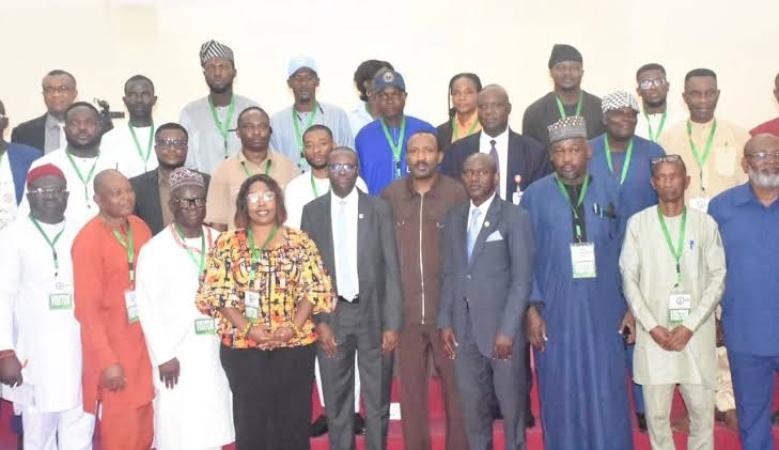
The meeting was convened by the Sultan of Sokoto, Sa’ad Abubakar III, to tackle the outbreak of meningitis in the northern region.
“Epidemic ranked only after drought and flood,” the DG said.
Maihaja noted that Emergency Data of the top 10 natural disasters in Nigeria as reported by EM-DAT and the International Emergency Data Base showed that the top 10 natural disasters that have caused more loss of lives from 1900-2016 were exclusively epidemics.
“Experts have repeatedly told us that high rate of infection and fatality from these communicable diseases, arise due to illiteracy, ignorance, poor state of personal and environmental hygiene, overcrowding and ineffective community based early detection and warning system.
“Your Royal Highnesses, Excellencies, Ladies and Gentlemen, this is more worrisome coming at a time when the whole world is striving to reduce global disaster mortality by 2030, aiming to lower average per 100,000 global mortality between 2020-2030 compared to 2005-2015 in line with the Sendai Framework,” he said.
According to him, the framework seeks to substantially reduce disaster risk and losses in lives, livelihoods and health and in the economic, physical, social, cultural and environmental assets of persons, businesses, communities and countries.
He said as signatory to the agreement Nigeria must muster enough commitment to move with the rest of the world to prevent new and reduce existing disaster risk through the implementation of integrated and inclusive economic, structural, legal, social, health, cultural, educational, environmental, technological, political and institutional measures that prevent and reduce hazard exposure and vulnerability to disaster, increase preparedness for response and recovery, and thus strengthen resilience.
The DG said to achieve this, the nation must be ready to adopt a society based approach, where all jurisdictions, disciplines, sectors and resources are recognised and utilised. “The Honourable Minister can always count on our support in this regard,” he added.
He urged communities, the fronts that suffer the pangs of the outbreaks to educate themselves, maintain personal and environmental hygiene at all times, avail themselves with immunisation facilities when provided and report cases of outbreak to the nearest health centres.
 AD
AD