ADAD

Updating your news feed...
NEWS EXPRESS is Nigeria’s leading online newspaper. Published by Africa’s international award-winning journalist, Mr. Isaac Umunna, NEWS EXPRESS is Nigeria’s first truly professional online daily newspaper. It is published from Lagos, Nigeria’s economic and media hub, and has a provision for occasional special print editions. Thanks to our vast network of sources and dedicated team of professional journalists and contributors spread across Nigeria and overseas, NEWS EXPRESS has become synonymous with newsbreaks and exclusive stories from around the world.











Loading banners
Loading banners...

The Human Rights Writers Association of Nigeria (HURIWA) has questioned the proposed establishment of a National Child Protection Agency, warning that creating another government institution could duplicate the responsibilities of existing agencies, increase the cost of governance and create fresh bureaucratic complications without necessarily improving the protection of Nigerian children.
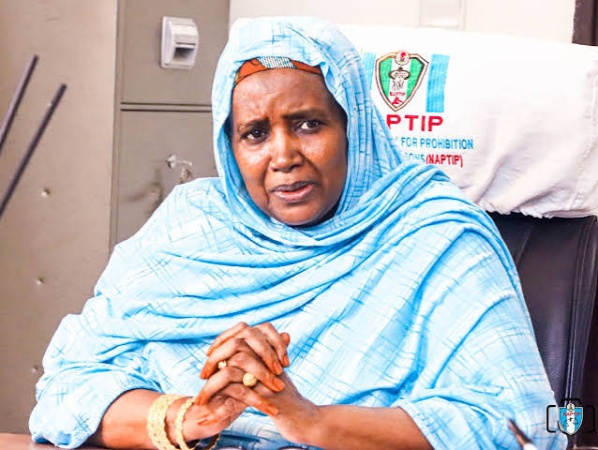
While commending President Bola Tinubu’s approval of reforms to strengthen the country’s child protection framework, HURIWA urged the Federal Government to reconsider the proposed agency and explore ways of making the National Human Rights Commission (NHRC) more effective, adequately funded and better equipped to tackle violations of children’s rights. HURIWA also questioned why the government underfunds NAPTIP even when CHILD TRAFFICKING FOR SEXUAL VIOLATIONS is a major crime perpetrated by sophisticated organised criminal networks. “Government should fund NAPTIP adequately rather than duplicate the mandates to several organisations that are money gulping contraptions. National Child Rights protection agency is a duplicitous attempt to make governance even more costly than it is at the moment.
The prominent civil rights advocacy group HURIWA says Nigeria does not necessarily need another agency to address child abuse, exploitation and other forms of violence against children. Rather, it needs stronger institutions, clearer responsibilities, effective enforcement and adequate resources to ensure that existing laws deliver measurable results. NAPTIP and NHRC are sufficient to tackle children’s rights violations.
HURIWA notes that the National Human Rights Commission already has a broad human rights protection mandate that covers the rights of children. It therefore questions the rationale for establishing a separate institution when the government could strengthen the commission through improved funding, specialised child protection units, trained personnel and stronger investigative and enforcement capacity.
According to the association, establishing a new agency without a clear distinction between its responsibilities and those of existing institutions could lead to overlapping mandates, inter-agency rivalry, administrative waste and unnecessary expenditure of public funds.
HURIWA warns that the proposed agency must not become another avenue for expanding government bureaucracy at a time when Nigeria faces serious economic pressures and competing demands for public resources.
The association stresses that the priority should be to strengthen existing institutions and ensure that government agencies responsible for child welfare, law enforcement, justice administration and human rights protection work together effectively.
However, HURIWA strongly commends the proposed total prohibition of corporal punishment and degrading treatment in homes, schools, religious institutions and care facilities.
It describes the proposed ban as a progressive step towards ending violence against children and promoting discipline based on dignity, guidance and respect for their fundamental rights.
The association maintains that children must not be subjected to physical or degrading punishment under the guise of discipline, religious instruction or cultural practices. It urged the Federal Government to ensure that the proposed prohibition is backed by clear enforcement mechanisms, public enlightenment and appropriate safeguards.
HURIWA also welcomes the proposed tougher penalties for female genital mutilation, child marriage, sexual abuse, trafficking, child labour and online exploitation, describing the reforms as necessary responses to the persistent threats confronting Nigerian children.
It says the review of the 2003 Child Rights Act provides an important opportunity to close enforcement gaps and address emerging dangers, particularly the growing risks of online grooming, digital exploitation and abuse.
The association, however, cautions that tougher laws and criminal penalties would achieve little without effective investigations, prosecution of offenders, protection for victims and sustained support for children who suffer abuse.
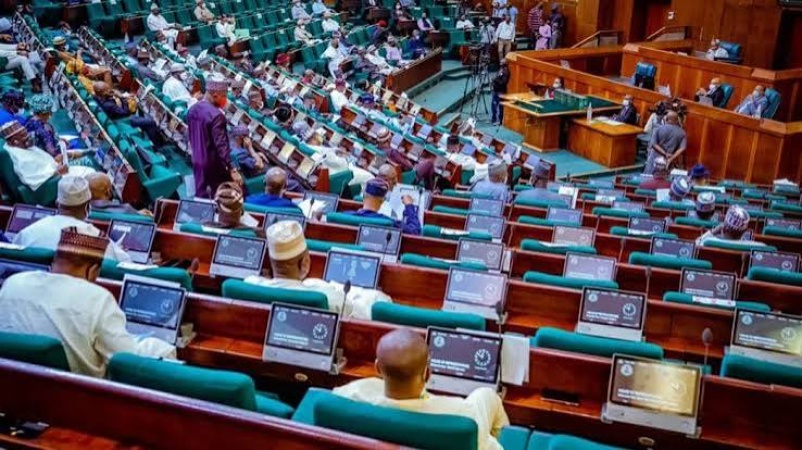
HURIWA calls on the National Assembly and relevant stakeholders to carefully examine the institutional implications of the proposed National Child Protection Agency before approving its establishment.
It urges lawmakers to consider strengthening the National Human Rights Commission as a more cost-effective option, with dedicated structures and resources for monitoring child rights violations, receiving complaints, conducting investigations and ensuring accountability.
The association also calls for stronger collaboration among the NHRC, the police, the Federal Ministry of Women Affairs, the Ministry of Justice, state governments and other relevant institutions to ensure that child protection responsibilities are effectively discharged.
HURIWA insists that the success of the proposed amendments should be measured not by the number of agencies established or laws enacted, but by whether Nigerian children become safer in their homes, schools, communities and online spaces.
The association urges the Federal Government to avoid institutional duplication and concentrate on building a coordinated, adequately funded and accountable child protection system that delivers justice and protection to every Nigerian child.