ADAD

Updating your news feed...
NEWS EXPRESS is Nigeria’s leading online newspaper. Published by Africa’s international award-winning journalist, Mr. Isaac Umunna, NEWS EXPRESS is Nigeria’s first truly professional online daily newspaper. It is published from Lagos, Nigeria’s economic and media hub, and has a provision for occasional special print editions. Thanks to our vast network of sources and dedicated team of professional journalists and contributors spread across Nigeria and overseas, NEWS EXPRESS has become synonymous with newsbreaks and exclusive stories from around the world.















Loading banners
Loading banners...

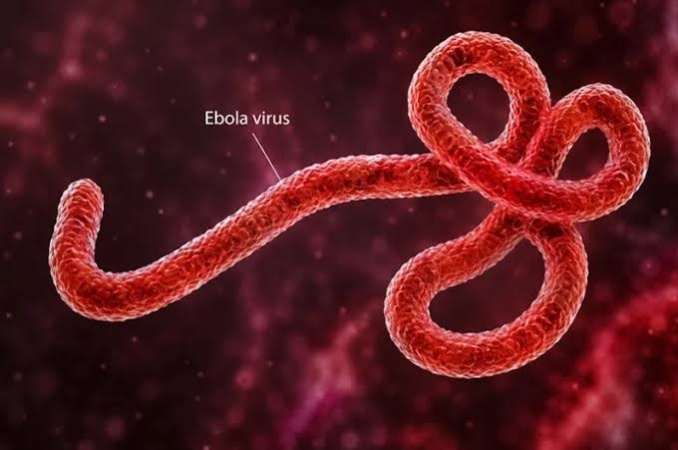
The World Health Organisation (WHO) has raised the alarm over the devastating impact of the Bundibugyo virus outbreak in the Democratic Republic of the Congo (DRC), revealing that seven out of every 10 infected children under the age of five have died.
WHO Director-General, Dr Tedros Adhanom Ghebreyesus, disclosed this on Tuesday during the third meeting of the International Health Regulations (IHR) Emergency Committee on the outbreak.
He said more than 11,000 cases and 5,400 deaths had been recorded across 67 health zones in eight provinces, six months after the outbreak was declared.
According to him, children account for more than one-quarter of confirmed infections and approximately one-third of reported deaths.
Tedros said the number of cases had more than doubled, with between 400 and 500 new infections still being reported weekly.
He warned that despite progress in containing transmission in some early outbreak epicentres, the epidemic continued to expand in other areas.
The outbreak has also spread beyond the DRC, with Kenya reporting nine cases linked to an imported infection, including two deaths. Its last known patient has been discharged, while the 42-day countdown to establish whether transmission has been interrupted has commenced.
Nigeria has also reported one imported case, highlighting the threat of further international spread.
The WHO chief commended both countries for their rapid response but warned against blanket travel restrictions, saying such measures could disrupt livelihoods and discourage transparent reporting of outbreaks.
On the response, he disclosed that laboratory capacity had increased from two facilities at the beginning of the epidemic to more than two dozen, while nearly 2,000 treatment beds were now available. About 3,000 people have recovered.
He added that clinical trials of potential treatments had enrolled more than 900 people, while a vaccine trial using Ervebo began last month. Two additional candidate vaccines specifically developed for the Bundibugyo virus are expected to join the trial.
Tedros, however, warned that vaccines could not replace immediate interventions, including early treatment, contact tracing, isolation and safe burials.
He revealed that approximately two-thirds of confirmed deaths were occurring outside treatment centres, suggesting that many patients were being identified too late to receive timely medical attention.
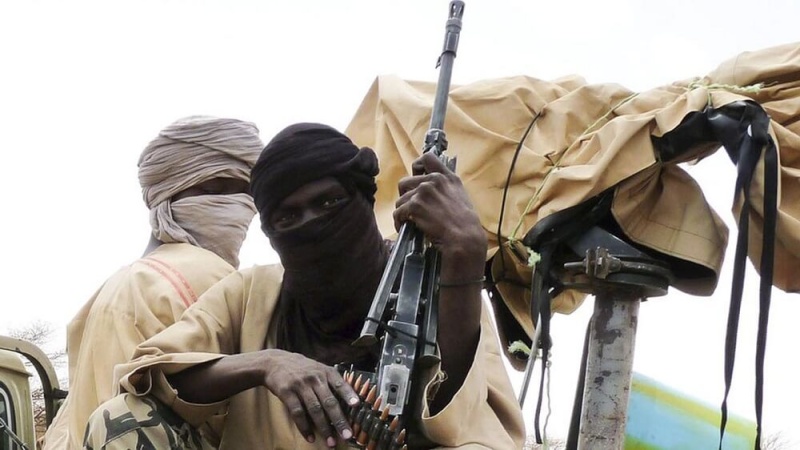
He also identified insecurity as a major obstacle, disclosing that an attack on Cantine-Aloya earlier this month killed 66 civilians, including three health workers. Health facilities were looted and burnt, while more than 1,000 contacts were lost to follow-up.
In another attack in Tshopo Province, a nurse was killed and another health worker was seriously injured while responding to an Ebola alert.
The WHO chief said insecurity, alongside delays in paying frontline health workers, was disrupting operations and slowing containment efforts.
He stressed that the outbreak response must also protect essential healthcare services, including primary healthcare, maternal and child health services, and treatment for other diseases.
The Emergency Committee meeting was chaired by Professor Lucille Blumberg, with representatives from the DRC, Nigeria, Kenya, the Central African Republic, South Sudan and Uganda in attendance. (Nigerian Tribune)