ADAD

Updating your news feed...
NEWS EXPRESS is Nigeria’s leading online newspaper. Published by Africa’s international award-winning journalist, Mr. Isaac Umunna, NEWS EXPRESS is Nigeria’s first truly professional online daily newspaper. It is published from Lagos, Nigeria’s economic and media hub, and has a provision for occasional special print editions. Thanks to our vast network of sources and dedicated team of professional journalists and contributors spread across Nigeria and overseas, NEWS EXPRESS has become synonymous with newsbreaks and exclusive stories from around the world.

.webp)







Loading banners
Loading banners...

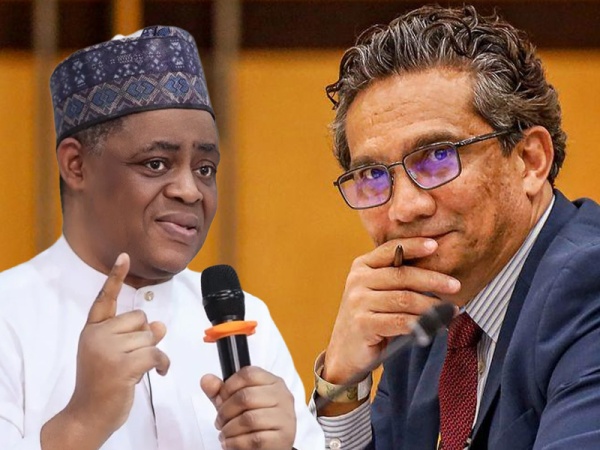
Fani-Kayode, Zane Dangor
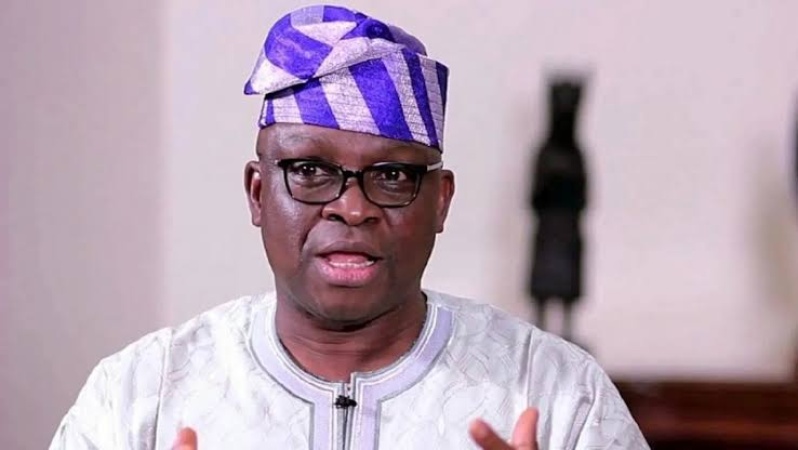
South Africa’s Department of International Relations and Cooperation (DIRCO) has summoned Nigeria’s newly accredited High Commissioner, Ambassador Femi Fani-Kayode, for a formal diplomatic demarche following his allegation of discriminatory treatment during the livestream of his presentation of credentials to President Cyril Ramaphosa.
The diplomatic intervention followed Fani-Kayode’s public criticism of the South African Presidency’s media team, which he accused of discriminating against him during coverage of the official ceremony.
DIRCO Director-General Zane Dangor used the meeting to remind the Nigerian envoy of his obligations under the Vienna Convention on Diplomatic Relations, particularly the requirement to conduct official business through established diplomatic channels.
According to the South African foreign ministry, Dangor specifically drew the High Commissioner’s attention to Article 41 of the Convention, which governs the conduct of diplomats in receiving states and requires official business entrusted to diplomatic missions to be conducted through the foreign ministry or another agreed channel.
The reminder underscored Pretoria’s expectation that diplomatic concerns and official communications should be handled through recognised government-to-government procedures.
The demarche came shortly after Fani-Kayode presented his Letters of Credence to President Ramaphosa, formally assuming his diplomatic responsibilities as Nigeria’s High Commissioner to South Africa.
Following the ceremony, the Nigerian envoy publicly alleged that the South African Presidency’s media team had discriminated against him in its handling of the livestream of the credentials presentation.
The material provided did not specify the particular aspects of the broadcast that prompted his allegation or establish whether the South African Presidency had responded separately to the claim.
The foreign ministry’s decision to summon Fani-Kayode brought the disagreement into formal diplomatic channels, with Pretoria using the meeting to reinforce expectations governing communication between foreign missions and the host government.
A diplomatic demarche is a formal communication through which a government conveys a concern, position or request to another government or its representative.
While such engagements can signal diplomatic displeasure, they do not necessarily amount to a rupture in bilateral relations.
During the meeting, Dangor also emphasised the importance of preserving the longstanding relationship between South Africa and Nigeria.
He reaffirmed Pretoria’s commitment to constructive diplomatic engagement, signalling that the South African government remained focused on maintaining cooperation between the two countries despite the disagreement.
Nigeria and South Africa maintain significant diplomatic, political and economic ties, with both countries occupying prominent positions in African affairs.
Their relationship has historically included cooperation on continental development, regional security and multilateral diplomacy, alongside occasional disagreements over bilateral issues.
Fani-Kayode’s accreditation had marked the beginning of a new phase in his diplomatic assignment, during which he had pledged to strengthen relations between Abuja and Pretoria.
The latest development, however, places diplomatic protocol and official communication at the centre of an early disagreement involving the newly accredited envoy.
The information released about the meeting did not indicate whether Fani-Kayode withdrew his discrimination allegation, offered an apology or made any further undertaking beyond the discussions with DIRCO.
It also did not disclose whether the Nigerian Ministry of Foreign Affairs had issued a response to the summons.
Despite the formal diplomatic intervention, Pretoria’s emphasis on preserving bilateral relations suggested that it intended to address the matter through established diplomatic procedures while maintaining engagement with Nigeria. (Arise News)