ADAD

Updating your news feed...
NEWS EXPRESS is Nigeria’s leading online newspaper. Published by Africa’s international award-winning journalist, Mr. Isaac Umunna, NEWS EXPRESS is Nigeria’s first truly professional online daily newspaper. It is published from Lagos, Nigeria’s economic and media hub, and has a provision for occasional special print editions. Thanks to our vast network of sources and dedicated team of professional journalists and contributors spread across Nigeria and overseas, NEWS EXPRESS has become synonymous with newsbreaks and exclusive stories from around the world.




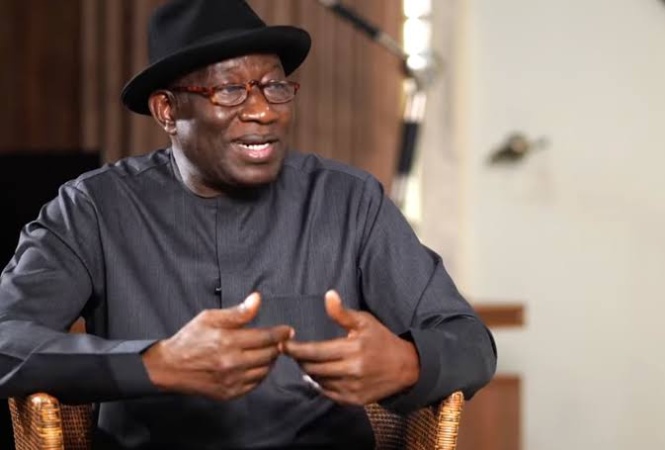





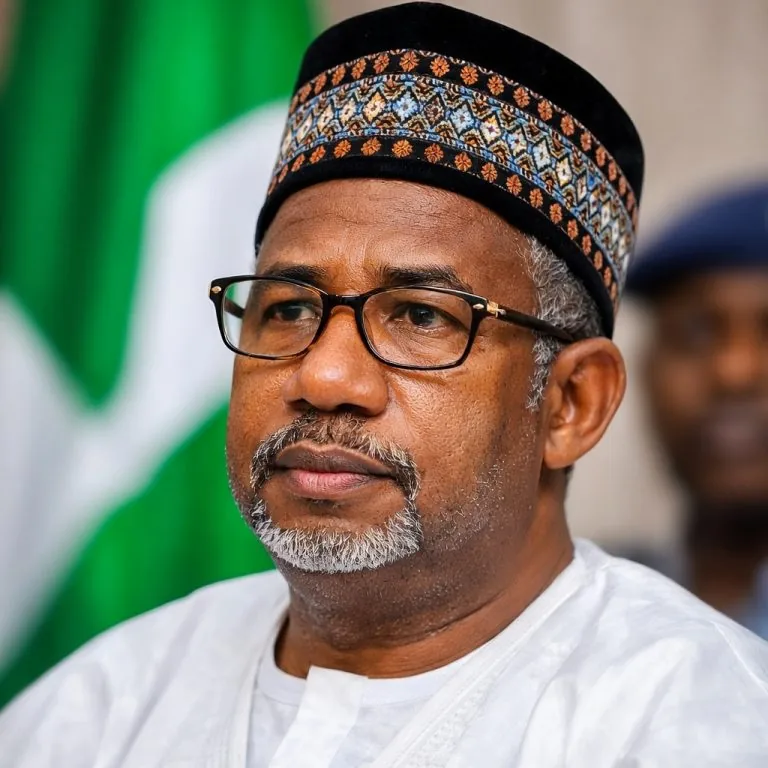
Former President Jonathan
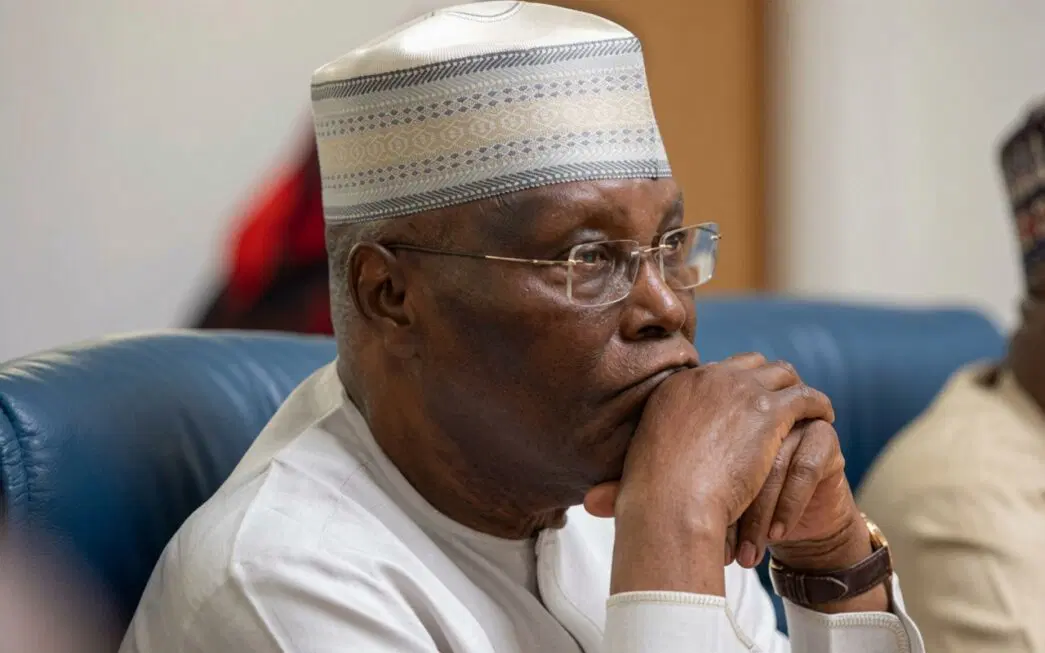
Former President Goodluck Jonathan has called for far-reaching reforms in Nigeria’s democracy, political leadership recruitment and education system, warning that the country risks failing to realise the aspirations of its founding nationalists.
Jonathan said Nigeria must move away from religious politics, opaque democratic practices and the recruitment of political leaders based on religious and ethnic considerations if it is to achieve sustainable development.
He spoke on Saturday as chairman of the maiden Herbert Macaulay Colloquium, organised by the Macaulay Heritage Foundation in partnership with the Lagos State Ministry of Tourism, Arts and Culture, at the Nigerian Institute of International Affairs (NIIA), Victoria Island, Lagos.
The event, themed “Nationalism and Nation Building,” was organised to commemorate the 162nd birth anniversary of Nigeria’s foremost nationalist, Pa Herbert Macaulay.
The gathering attracted eminent Nigerians, including the Atona Oodua of Yorubaland, Chief Bode George; Chairman of the Governance Advisory Council, Pa Tajudeen Olusi; representatives of the Oba of Lagos; scholars; and politicians.
Jonathan, who commended George and other descendants of Macaulay for initiating the colloquium, said the nationalist’s vision of independence went beyond the transfer of political power from colonial authorities to Nigerians.
He said the founding nationalists envisaged a sovereign country where citizens would determine their destiny, control their resources and deploy them for national development and the welfare of the people.
According to him, they also envisaged a united country where every citizen, irrespective of ethnic, religious or social background, would enjoy equal rights, dignity and opportunities.
However, he questioned the extent to which Nigeria had fulfilled those expectations 66 years after independence.
He said that although the country had recorded progress in some areas, challenges such as poor leadership, institutional weaknesses, corruption, policy inconsistency, inadequate infrastructure, insecurity and dependence on raw material exports had continued to undermine national development.
Earlier, George, the convener of the colloquium, described Macaulay as a special gift to Nigeria whose contributions to the country’s political development deserved greater recognition.
He said the gathering was intended to examine the strategies and methods through which the nationalist challenged British colonial rule and championed the interests of Nigerians.
George noted that Macaulay demonstrated that public service should be about serving the people rather than pursuing personal gains.
He also appealed to President Bola Tinubu and the Federal Government to return Macaulay’s former residence to his descendants to enable them to establish a permanent heritage hall where younger generations could learn about his contributions to Nigeria.
George said preserving the nationalist’s legacy would help strengthen historical consciousness and inspire future generations to appreciate the sacrifices of those who fought for the country’s independence.
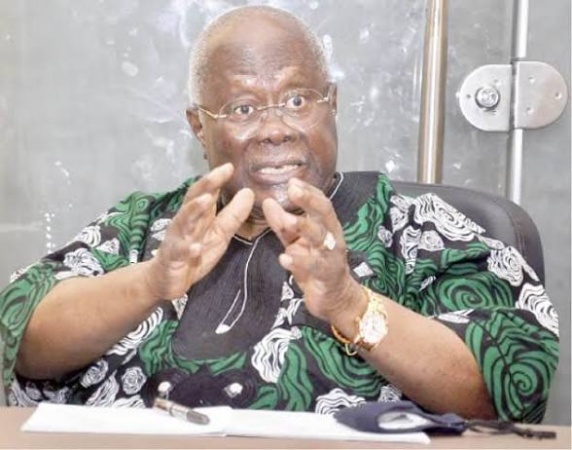
The keynote speaker, Prof. Jide Oshuntokun, said politicians liked to create myths.
He called for a more inclusive understanding of nationalism and nation-building in Nigeria, warning that ethnic sentiments, tribalism and extreme nationalism could undermine national unity.
Oshuntokun argued that Nigeria should be understood as a multinational state rather than a nation-state, given its diverse ethnic, linguistic and cultural identities.
He said the challenge before the country was to develop a shared sense of belonging that would enable its different nationalities to coexist peacefully under one government.
According to him, nationalism should be understood as the willingness of people with common historical, linguistic and territorial connections to live together under a united government.
He, however, warned that nationalism could assume dangerous dimensions when it promoted ethnic superiority, territorial expansion and hostility towards other groups.
Drawing lessons from European history, Oshuntokun cited Germany and Italy as examples of countries where nationalist movements contributed to political unification but also demonstrated the destructive consequences of extreme nationalism.
He noted that extreme nationalist sentiments in Germany and Italy contributed to the conflicts and devastation of the 20th century, particularly the First and Second World Wars.
The professor also explained the concept of irredentism, describing it as the desire of a country or ethnic group to reclaim territories or reunite with people considered part of its national community but living outside its borders.
He said although such sentiments existed in Africa, they had largely not developed into major armed conflicts. He warned that attempts by African countries to annex territories based on ethnic or linguistic connections could trigger serious crises.
Using Nigeria’s relationship with the Republic of Benin as an example, Oshuntokun recalled an official diplomatic visit in 1988 during which Nigeria’s delegation discovered strong Yoruba cultural and linguistic connections across the border.
He recounted that the Beninese Minister of Foreign Affairs spoke Yoruba, while discussions during the visit eventually shifted from English and French to Yoruba.
He also recalled that a former political leader in the Republic of Benin had publicly advocated the country’s merger with Nigeria, while a northern Nigerian woman politician, Sawaba, had similarly advocated the unification of communities across national borders.
Oshuntokun cautioned that such proposals, if pursued through aggressive state policies, could destabilise countries and create unnecessary tensions across the continent.
He further argued that anti-colonial nationalism, which brought together different ethnic and religious groups against European colonial rule, did not automatically guarantee unity after independence. (Saturday Tribune)