ADAD
Updating your news feed...

NEWS EXPRESS is Nigeria’s leading online newspaper. Published by Africa’s international award-winning journalist, Mr. Isaac Umunna, NEWS EXPRESS is Nigeria’s first truly professional online daily newspaper. It is published from Lagos, Nigeria’s economic and media hub, and has a provision for occasional special print editions. Thanks to our vast network of sources and dedicated team of professional journalists and contributors spread across Nigeria and overseas, NEWS EXPRESS has become synonymous with newsbreaks and exclusive stories from around the world.


Loading banners
Loading banners...

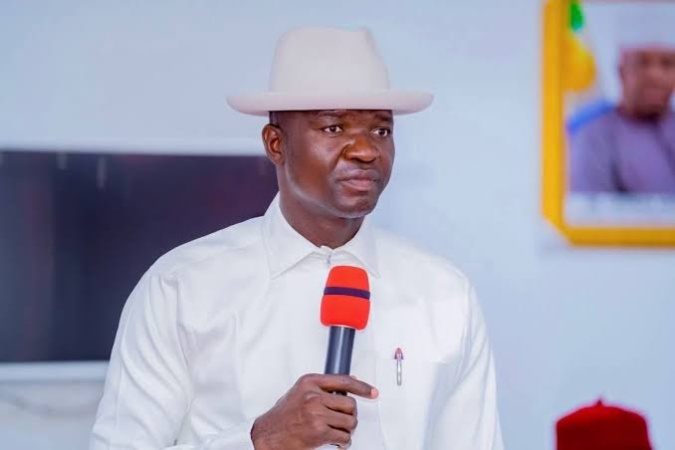
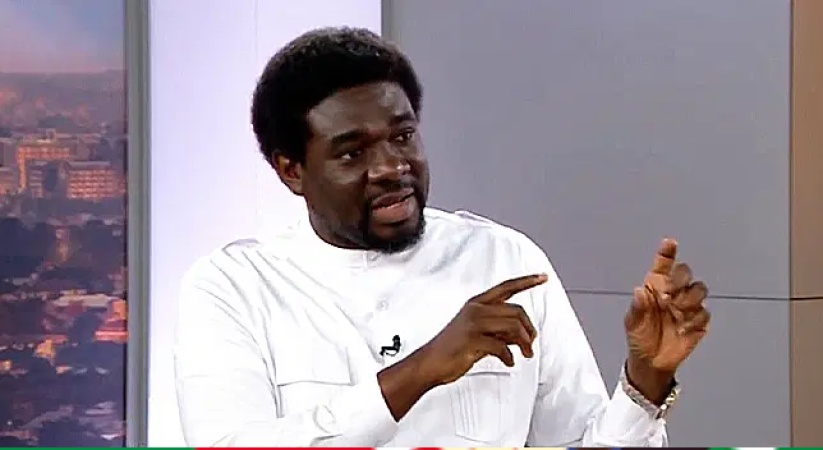
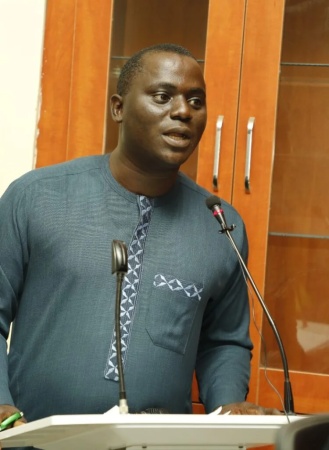
TUC President Festus Osifo
The Trade Union Congress (TUC) has told the Federal Government that it does not need to negotiate a new minimum wage before increasing workers’ salaries, insisting that a permanent pay rise would provide more lasting relief than the proposed ₦70,000 transport allowance.
Speaking on Channels Television’s Politics Today on Wednesday, TUC President Festus Osifo said salary increases and minimum wage negotiations were two separate issues that could be addressed independently.
“On the 8th of October, we had a National Administrative Council meeting of the TUC; we reached an agreement, and we addressed a world press conference, and in that agreement our position was very clear: you don’t need to negotiate minimum wage before government could intervene in the plight of workers, not at all,” Osifo said.
He argued that governments could increase workers’ salaries without waiting for a new minimum wage agreement, noting that minimum wage negotiations were not the only means of improving workers’ welfare.
“There are some countries in the world where the minimum wage may not be negotiated for 25 years. The minimum wage can be fixed for 25 years, but at every point in time, there is always an intervention from government. The unions in that country engage the government for increment in salary,” he said.
Osifo added that the distinction between minimum wage and salary increases gave the government room to improve workers’ earnings without reopening minimum wage negotiations.
“Increment in salary and minimum wage are very different. Minimum wage is minimum, but there is no maximum wage, so what that means is that the government, on Its own, can look at how to improve the plight of the workers by increasing the salaries of workers. This is done in all establishments, so you don’t need a minimum wage conversation for government to increase salaries,” he said.
The TUC president spoke on the sidelines of the Federal Government announcing a ₦70,000 transport intervention for workers across all levels for six months, beginning in November 2026.
The approval followed a conciliation meeting with the leadership of the Nigeria Labour Congress (NLC), convened by the Federal Ministry of Labour and Employment in Abuja on Tuesday, October 27, to address issues raised by organised labour.
However, the TUC rejected the proposed allowance, calling instead for an increase in workers’ salaries and the implementation of the agreement with the Joint Health Sector Unions (JOHESU).
Explaining the rejection, Osifo said the congress wanted a more sustainable and permanent intervention rather than a temporary measure.
“If what you are offering today is a temporary measure, we reject it; we want something that is much more sustaining and something that is more much more permanent,” he said.
He added that the union would have been willing to consider the proposal if the money had been incorporated into workers’ salaries.
The TUC’s position is that the government can address workers’ financial difficulties through a lasting salary increase without making a new minimum wage negotiation a prerequisite. (Channels TCV)