ADAD
Updating your news feed...

NEWS EXPRESS is Nigeria’s leading online newspaper. Published by Africa’s international award-winning journalist, Mr. Isaac Umunna, NEWS EXPRESS is Nigeria’s first truly professional online daily newspaper. It is published from Lagos, Nigeria’s economic and media hub, and has a provision for occasional special print editions. Thanks to our vast network of sources and dedicated team of professional journalists and contributors spread across Nigeria and overseas, NEWS EXPRESS has become synonymous with newsbreaks and exclusive stories from around the world.

























Loading banners
Loading banners...

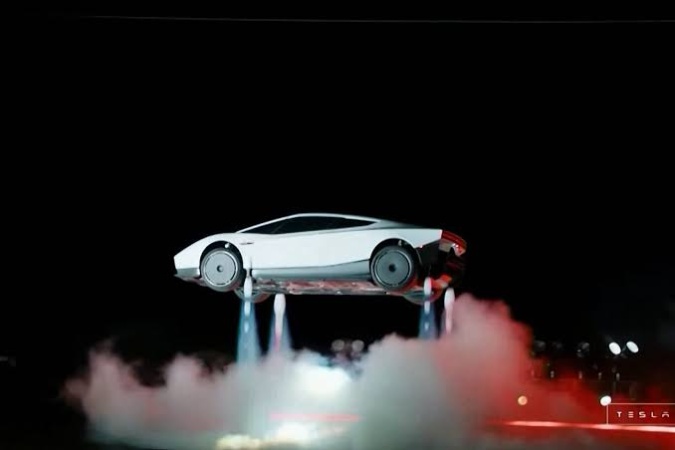
The idea of rising above the endless traffic jams of Third Mainland Bridge or Mararaba in a futuristic flying car sounds like a dream for many residents of Lagos and Abuja. Globally, tech companies are heavily investing in electric vertical takeoff and landing vehicles (eVTOLs). However, bringing this technology down home involves much more than just buying the vehicles.
In this article, Tribune Online examines the major real-world hurdles that could keep flying cars grounded and out of Nigerian cities for years to come.
Unstable power infrastructure for charging
Most modern flying cars rely entirely on high-capacity electric batteries. These aerial vehicles require frequent, ultra-fast charging stations to stay operational and safe. Nigeria’s power sector continues to face frequent national grid breakdowns and unstable electricity distribution. Without a reliable and continuous power supply to charge these heavy-duty batteries, operating a fleet of electric aircraft will prove nearly impossible for commercial operators.
Strict airspace rules and security controls
Operating vehicles in the sky requires strict oversight to avoid mid-air collisions and security threats. According to official guidelines from the Nigerian Civil Aviation Authority (NCAA), flying any unmanned or specialised aerial device requires strict permits, clear flight plans, and airworthiness approvals. Adding thousands of low-flying aerial cars over major cities will create massive security risks, especially around sensitive government zones, military installations, and crowded public areas.
Lack of vertiports and ground stations
Flying cars do not use regular asphalt roads or standard airport runways. They require designated landing pads called vertiports equipped with specialised navigation gear and safety systems. Major Nigerian cities are already densely built up with limited open spaces.
Converting existing residential or commercial space into high-tech landing pads will be extremely difficult and expensive, leaving these vehicles with nowhere safe to land or take off.
High initial purchase and maintenance costs
Advanced aerial technology comes with a massive price tag. International market tracking reports from aviation research firms estimate that commercial flying cars cost hundreds of thousands of dollars per unit, far out of reach for the vast majority of citizens.
Furthermore, replacing specialised parts, importing lithium battery packs, and paying certified maintenance engineers will require enormous foreign exchange, making ordinary daily transport fares unaffordable.
Extreme weather patterns and maintenance readiness
Nigerian weather conditions present unique physical obstacles for light aircraft. Tropical rainstorms, heavy winds, and intense harmattan dust clouds severely affect low-altitude flight visibility and navigation systems.
Additionally, local service workshops lack the specialized diagnostic tools and trained aerospace technicians needed to repair complex flying cars safely. Without a solid local support system, even minor technical faults could ground these vehicles indefinitely. (Nigerian Tribune)