 ADAD
ADADUpdating your news feed...

NEWS EXPRESS is Nigeria’s leading online newspaper. Published by Africa’s international award-winning journalist, Mr. Isaac Umunna, NEWS EXPRESS is Nigeria’s first truly professional online daily newspaper. It is published from Lagos, Nigeria’s economic and media hub, and has a provision for occasional special print editions. Thanks to our vast network of sources and dedicated team of professional journalists and contributors spread across Nigeria and overseas, NEWS EXPRESS has become synonymous with newsbreaks and exclusive stories from around the world.

























Loading banners
Loading banners...

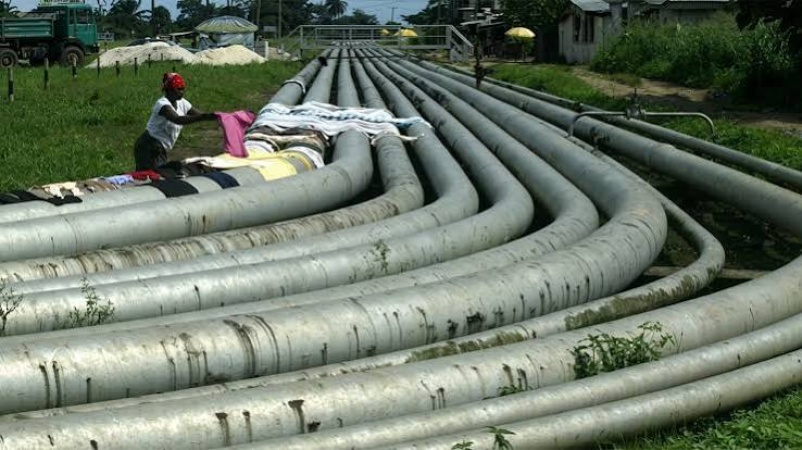
The communities along the Eastern Gas Pipeline Network have issued a two-week ultimatum to the Nigerian National Petroleum Company Limited (NNPCL) and the Pipeline Infrastructure Nigeria Limited (PINL) over three months’ unpaid arrears of pipeline protection duties.
The Eastern Gas Pipeline Network traverses communities in Rivers, Delta and Akwa Ibom States are protected by stakeholders from these communities in partnership with security agencies.
At a press briefing in Port Harcourt on Tuesday, the monarchs, leaders and stakeholders said that despite their commitment, payments to surveillance contractors/guards and stakeholders have not been paid.
His Royal Highness, Eze Wagbara Peter, CP (retired), who spoke on behalf of the affected communities, said that they have not withdrawn their support for pipeline protection, but are appealing for the prompt fulfilment of the obligations that sustain their participation and commitment.
The monarch, who was flanked by other monarchs, however, said that, “If this situation persists, it could undermine the goodwill and confidence that have been painstakingly built between the host communities, PINL, and NNPCL.”
He noted that the delay in payment has caused frustration among their people, who he stressed remain committed to protecting critical gas pipeline infrastructure within their communities.
The affected communities commended their partnership with the NNPCL and PINL, but stressed the need for the payment to be made and keep the stakeholders focused on protecting the pipelines.
He said: “We also appreciate the vision behind the community-based surveillance arrangement, which recognises that the protection of critical national assets requires the active participation, cooperation, and commitment of the communities through which these facilities pass.
“Our communities have embraced this responsibility in good faith. Surveillance guards and community stakeholders have continued to support the protection of the Eastern Gas Pipeline Network, providing the local presence, cooperation, and vigilance necessary to prevent vandalism, sabotage, and other infractions.
“It is therefore difficult for us to understand why payments due to surveillance contractors/guards and stakeholders along the Eastern Gas Pipeline Network have remained outstanding for three consecutive months.
“These obligations are not merely financial transactions; they represent commitments upon which the surveillance arrangement and the livelihoods of many people depend.
“The surveillance guards have families and responsibilities. They depend on the timely payment of their earnings to meet basic needs, while community stakeholders have continued to support the programme and mobilise their people in the interest of pipeline security,” the monarch added.
He also called for the inclusion of Eastern Gas Pipeline host communities in corporate social responsibility programmes.
The monarch said: “We understand that scholarship opportunities, youth empowerment initiatives, women empowerment programmes, and other community development interventions are being implemented in other communities under PINL’s host-community engagement framework.
“However, our communities along the Eastern Gas Pipeline Network have not enjoyed comparable access to these opportunities.
“This situation has created a genuine sense of exclusion among our people, particularly when they are expected to contribute to the security of critical national infrastructure without receiving comparable opportunities for social and economic development.” (New Telegraph)




