ADAD
ADADUpdating your news feed...

NEWS EXPRESS is Nigeria’s leading online newspaper. Published by Africa’s international award-winning journalist, Mr. Isaac Umunna, NEWS EXPRESS is Nigeria’s first truly professional online daily newspaper. It is published from Lagos, Nigeria’s economic and media hub, and has a provision for occasional special print editions. Thanks to our vast network of sources and dedicated team of professional journalists and contributors spread across Nigeria and overseas, NEWS EXPRESS has become synonymous with newsbreaks and exclusive stories from around the world.



Loading banners
Loading banners...

By BONIFACE AKARAH
The Guild of Corporate Online Publishers (GOCOP) has raised concerns over the exclusion of women from electoral contests, language barriers in Nigeria’s electoral system and weak prosecution of electoral offenders, warning that these problems could undermine inclusive participation in the 2027 general elections.
The concerns were contained in a communiqué issued in Lagos on October 10, 2026, and signed by GOCOP President, Danlami Nmodu, mni, and General Secretary, Sufuyan Ojeifo, after the Guild’s 10th Annual Conference, held on October 7 and 8 at the Radisson Blu Hotel, Ikeja GRA.
The conference, themed “2027 Elections: Trust, Transparency and Shared Responsibilities,” examined electoral credibility, media responsibility, election security, political participation and the obligations of public institutions and citizens.
On women’s participation, GOCOP observed that inclusion remained largely performative, alleging that opaque consensus arrangements used by political parties to select candidates systematically excluded women.
The Guild warned that prevailing trends suggested fewer women could emerge as elected representatives in 2027 unless deliberate measures were taken to address the problem.
It consequently called on the National Assembly to enact legislation specifically aimed at increasing women’s participation and representation in the electoral process.
The communiqué stated that political parties should “conduct open and transparent candidate selection and end opaque consensus arrangements that exclude women.”
GOCOP maintained that inclusive elections required more than encouraging women to vote; it also required removing barriers that limited their opportunities to contest and secure elective positions.
The conference also identified language as a major obstacle to electoral participation in a country with approximately 250 ethnic groups.
According to the communiqué, Nigeria continues to publish electoral laws and guidelines only in English, making it difficult for some citizens to understand the rules governing elections.
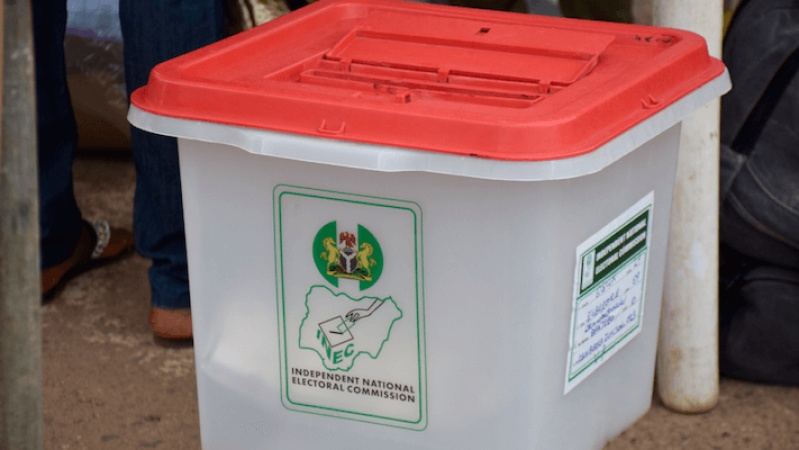
The Guild therefore urged INEC to translate the Electoral Act, electoral regulations and voter guidelines into major Nigerian languages while maintaining accessible formats for persons with disabilities.
It said electoral information should be understandable and available to citizens across different communities, rather than being restricted by language or disability.
On electoral accountability, GOCOP observed that offenders were seldom prosecuted, a situation it said emboldened impunity.
The communiqué called on INEC to work with prosecuting authorities to pursue electoral offences and make the outcomes public.
It stressed that accountability was essential to rebuilding public confidence and demonstrating that violations would attract consequences irrespective of the individuals involved.
The Guild also drew attention to voter apathy, noting that many citizens abstain from voting but later protest against political outcomes.
It described Nigerians as shareholders in the country’s democratic process and urged them to collect their Permanent Voter Cards, participate in elections and clearly define what they expect from their representatives.
The communiqué stated: “Citizens should verify information before sharing and hold institutions and officeholders accountable throughout the electoral cycle.”
GOCOP further identified the cost of living as the leading issue likely to shape voter choices, but said conflicting narratives about fuel subsidy removal had left voters unclear about candidates’ positions.
It urged the Federal Government and relevant agencies to provide “a clear, authoritative account of fuel subsidy policy and domestic crude pricing” so Nigerians could make informed electoral decisions.
Political parties and candidates were also advised to focus their campaigns on issues affecting citizens, particularly the cost of living, and avoid disinformation and incitement.
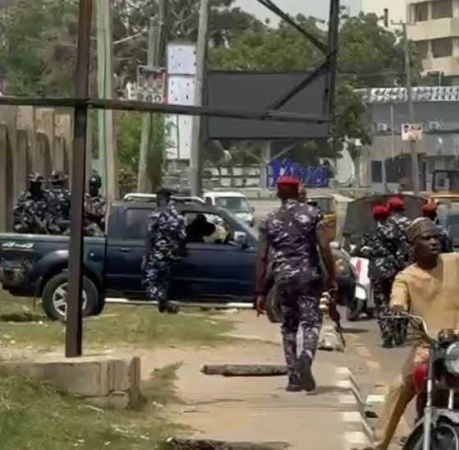
On security, the Guild said the Nigeria Police Force had reported relatively peaceful elections since February 2026, with no shootings, attributing the development to intelligence-led operations. It urged the police and other security agencies to sustain lawful, non-partisan election security through the 2027 polls.
GOCOP also cited Botswana’s 2024 political transition, when the Botswana Democratic Party handed over power after 58 years, as an example of what trusted institutions could make possible in Africa.
The conference maintained that credible elections depend on the collective actions of electoral authorities, political parties, security agencies, the media and citizens.
It urged Nigerians to protect their democratic rights through peaceful participation and called on public institutions to address barriers to inclusion, improve transparency and strengthen accountability ahead of the next general elections.