Updating your news feed...

NEWS EXPRESS is Nigeria’s leading online newspaper. Published by Africa’s international award-winning journalist, Mr. Isaac Umunna, NEWS EXPRESS is Nigeria’s first truly professional online daily newspaper. It is published from Lagos, Nigeria’s economic and media hub, and has a provision for occasional special print editions. Thanks to our vast network of sources and dedicated team of professional journalists and contributors spread across Nigeria and overseas, NEWS EXPRESS has become synonymous with newsbreaks and exclusive stories from around the world.



Loading banners
Loading banners...

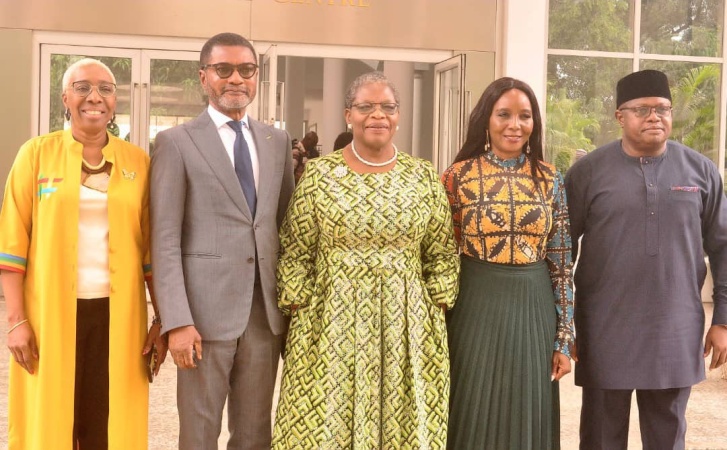
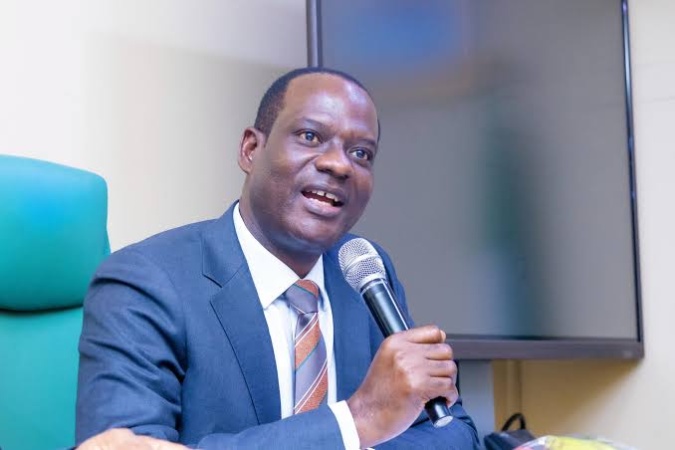
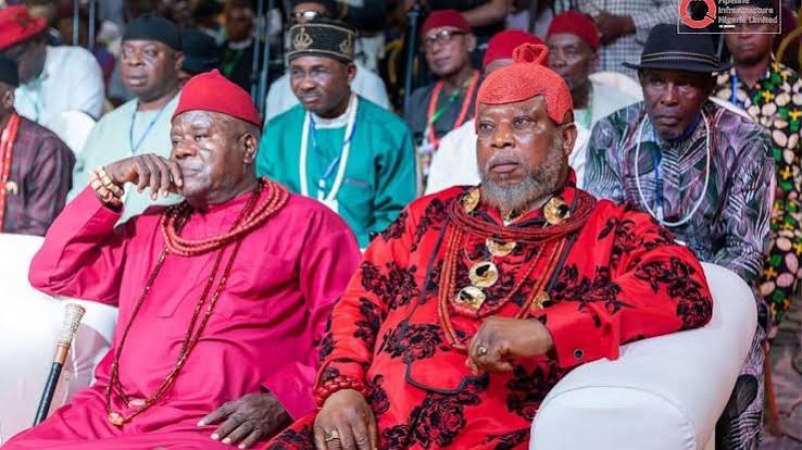
Some participants and speakers at the FixPolitics Africa Conference 2026
The #FixPolitics Africa Conference 2026 has called for a fundamental rethink of elections and democratic governance in Africa, with renewed emphasis on putting citizens back at the centre of political power.
The conference, themed ‘Reimagining Elections in Africa: Restoring Citizens as the True Owners of Power’, brought together political leaders, civil society organisations, policy experts, young people and other stakeholders to examine the future of elections and democratic governance across the continent.
The high-level roundtable focused on ways to make African electoral systems more responsive to citizens and less dominated by political elites and aspirants to public office.
Discussions centred on citizen participation, electoral integrity, political accountability, youth involvement and reforms to strengthen democratic institutions.
A major issue examined at the conference was whether citizens exercise meaningful control over political power beyond casting their ballots during elections. Participants also considered how elected leaders could remain accountable to the people after securing office, while creating political systems that encourage active citizen participation in governance and decision-making.
The conference highlighted reforms aimed at improving the credibility, transparency and fairness of elections, strengthening political parties and creating greater opportunities for citizens, particularly young people, to participate in political leadership.
The organisers said the objective was to shift the perception of elections as merely periodic contests for political office towards recognising them as a means through which citizens exercise genuine influence over how they are governed.
At the heart of the discussions was the principle that political power in a democracy ultimately belongs to the people, who must remain central to electoral and governance processes.
Key issues included how ordinary citizens could exert greater influence beyond election day, improve electoral integrity, strengthen accountability among elected officials and make political parties more democratic and responsive to citizens. The conference also examined the role of young Africans in politics and leadership, as well as the electoral and institutional reforms required to deepen democratic participation across the continent.
A central question driving the discussions was: who really owns political power in a democracy — politicians or citizens?
The conference sought to promote a citizen-centred approach to elections in Africa, in which political systems ensure that citizens are not merely voters but active participants and the ultimate source of political authority.
At the conference, former Minister of Education, Dr Obiageli Ezekwesili, called on Nigerian and African youths to take ownership of the continent’s political future and use their collective power to build a prosperous Africa.
Ezekwesili said the influence of money in Nigerian politics could be overcome if citizens recognised their collective strength and became more actively engaged in the democratic process.
She challenged Nigerians to vote in their own interests and hold elected officials accountable for delivering good governance.
“We’ve seen it in other countries. There have been countries where citizens woke up one day and said, ‘okay, you all can have all the money, but we’re tired of being poorly governed,’” she said.
Ezekwesili noted that the conference was designed to encourage citizens to “unlock the power” they possess and deploy it through the electoral process.
She stressed that elections should not be treated as a one-day activity, as good governance requires sustained citizen engagement before, during and after elections.
“The day of election is a moment. Being governed and governed well requires a movement because it requires permanent engagement. It is not a periodic thing; it is not an episodic thing,” the former minister said.
The former World Bank vice president urged Nigerians to remain vigilant after elections and continually demand accountability from elected officials.
She added that political circumstances could change, warning citizens against assuming that existing power structures would remain unchanged indefinitely.
Also speaking, Chairman of Bigs Politics Hub, Frank Nweke, said the organisation had a responsibility to organise and mobilise citizens around issues affecting the country.
Nweke said the objective was to raise public consciousness, encourage participation in elections and promote sustained civic engagement beyond the polls. He urged Nigerians to recognise that everyone had a role to play in strengthening the country’s democratic process.
Similarly, Executive Director of FixPolitics Africa, Anthony Ubani, said the Africa Conference had evolved over the past four years from an annual platform for political discussions into an initiative seeking to build a broader civic movement.
Ubani said the organisers had concluded that holding an annual conference without mechanisms to translate its resolutions into concrete action was no longer sufficient.
He explained that the conference featured a roundtable of thinkers and experts from across Africa who developed ideas, solutions and recommendations to advance the initiative.
He said the discussions produced “very germane ideas”, prompting the organisers to establish a small think tank to follow up on the recommendations.
According to him, the goal was to ensure that the conference did not end with discussions but resulted in measurable action and progress that could be presented at the 2027 Africa Conference.