Updating your news feed...

NEWS EXPRESS is Nigeria’s leading online newspaper. Published by Africa’s international award-winning journalist, Mr. Isaac Umunna, NEWS EXPRESS is Nigeria’s first truly professional online daily newspaper. It is published from Lagos, Nigeria’s economic and media hub, and has a provision for occasional special print editions. Thanks to our vast network of sources and dedicated team of professional journalists and contributors spread across Nigeria and overseas, NEWS EXPRESS has become synonymous with newsbreaks and exclusive stories from around the world.













.webp)

.webp)





Loading banners
Loading banners...

The International Finance Corporation (IFC) is working to remove bottlenecks across Nigeria’s agricultural value chain and reduce investment risks to encourage commercial banks to increase lending to a sector that currently receives less than 5% of bank credit.
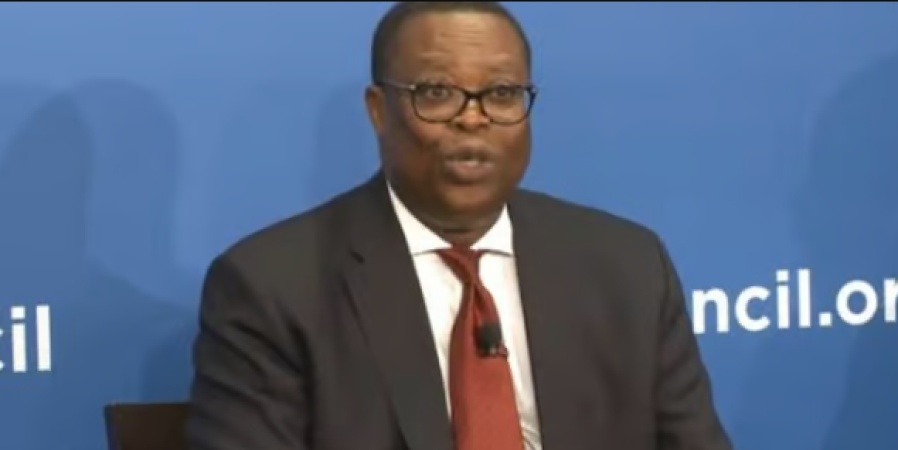
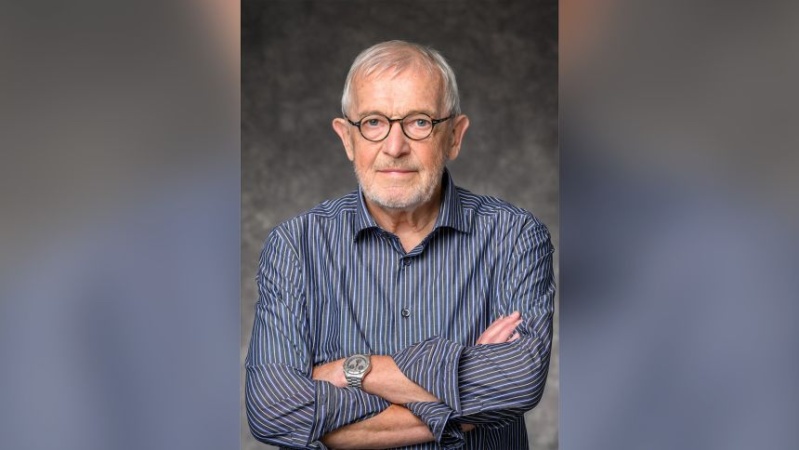
IFC Division Director for Nigeria and Central Africa, Olivier Buyoya, disclosed this at a press conference ahead of the 2026 Africa Financial Summit (AFIS), scheduled for November 3 and 4 in Luanda, Angola.
The summit, themed “Making Capital Count: Unlocking Jobs and Growth through African Finance,” will focus on mobilising capital to drive economic growth and job creation across Africa.
Buyoya said agriculture contributes more than 25% to Nigeria’s Gross Domestic Product (GDP), making greater access to finance critical to boosting productivity, expanding businesses and creating jobs.
Despite its economic importance, he said banks remain cautious about lending to agriculture because of risks across the value chain, including post-harvest losses, inadequate storage, poor road infrastructure and other structural constraints.
“Nigeria has probably one of the most sophisticated banking sectors in Africa. Yet, one of the most important sectors in the economy and for our people receives less than five per cent of lending from commercial banks,” Buyoya said.
He explained that commercial banks, as financial intermediaries, would naturally be reluctant to deploy depositors’ funds to sectors perceived as highly risky.
“We need to understand why that situation has been there for decades,” he said, stressing that reducing risks is essential to unlocking more private-sector financing for agriculture.
Buyoya identified technology as a key tool for addressing structural weaknesses, improving efficiency and reducing risks across the agricultural value chain.
The IFC, he added, invests about $4 billion to support the private sector, underscoring the importance of mobilising more private capital for productive sectors in developing economies.
Meanwhile, AFIS Director Hicham Al Morabet said the summit has evolved from a platform for dialogue into one focused on partnerships and measurable outcomes for Africa’s financial sector.
The sixth edition will feature more than 50 sessions covering banking, insurance, private capital and capital markets.
Al Morabet said discussions would focus on financing productive sectors, including agriculture, manufacturing, services and energy transition, while exploring ways to channel Africa’s substantial savings and institutional investment assets into the real economy.
The summit will also examine financial integration, technology and regulatory cooperation, as well as strategies to improve access to capital for businesses and infrastructure projects. ( Daily Trust)