ADAD
ADAD
Updating your news feed...
NEWS EXPRESS is Nigeria’s leading online newspaper. Published by Africa’s international award-winning journalist, Mr. Isaac Umunna, NEWS EXPRESS is Nigeria’s first truly professional online daily newspaper. It is published from Lagos, Nigeria’s economic and media hub, and has a provision for occasional special print editions. Thanks to our vast network of sources and dedicated team of professional journalists and contributors spread across Nigeria and overseas, NEWS EXPRESS has become synonymous with newsbreaks and exclusive stories from around the world.






.webp)










Loading banners
Loading banners...

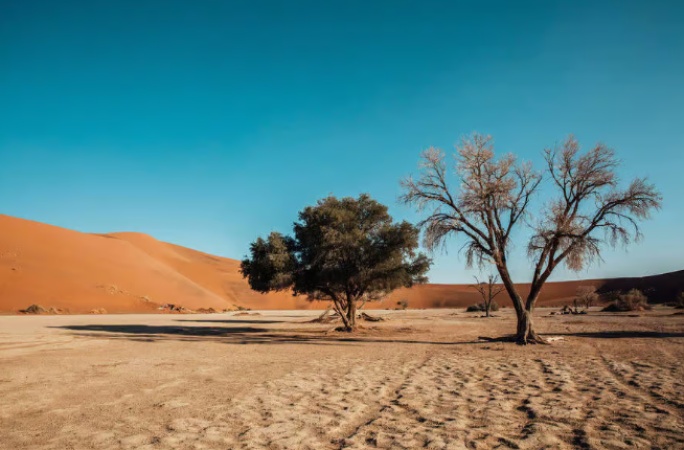
South Africa overtakes Germany, United Kingdom, United States, France, Morocco, Zimbabwe, Botswana and other key global markets in driving Namibia’s tourism growth in 2026 due to a sharp rise in affordable cross-border travel demand, expanding regional safari circuits, and strong recovery in leisure tourism supported by increased hospitality investment and job creation across major destinations. This shift is being reinforced by South Africa’s dominance in regional road-based tourism and steady inflows from Europe and North America, which together are reshaping Namibia’s tourism economy into a more diversified and resilient model.
South Africa remains the strongest and most influential source market for Namibia in 2026, driving the majority of regional leisure travel and cross-border tourism activity. Its dominance is rooted in strong road connectivity, affordable travel costs, and high-frequency short-stay tourism patterns that make Namibia an accessible destination for South African travellers. Self-drive safaris, weekend getaways, and family leisure trips form the backbone of this movement. Key destinations such as Windhoek, Etosha National Park, Swakopmund, and the Namib Desert continue to receive steady inflows from South African visitors. This consistent demand stabilises Namibia’s tourism industry and supports both rural and urban hospitality growth across the country.
Germany plays a critical role in Namibia’s long-haul tourism economy by contributing high-spending visitors focused on nature, wildlife, and sustainable tourism experiences. German tourists are heavily involved in self-drive safaris, luxury lodge stays, and photography-based travel across Namibia’s deserts and national parks. Their extended length of stay and premium travel budgets make them essential to the country’s upper-tier hospitality sector. Destinations such as Sossusvlei, Skeleton Coast, and Etosha remain top choices. In 2026, Germany continues to support Namibia’s eco-tourism model, ensuring strong revenue generation from conservation-based and experience-driven tourism.
The United Kingdom continues to deliver strong value-driven tourism inflows to Namibia, particularly in the luxury and adventure travel segments. British travellers are increasingly drawn to Namibia’s remote landscapes, desert experiences, and wildlife safaris. They contribute significantly to guided tour packages, boutique lodge stays, and curated travel itineraries that explore Namibia’s unique geography. UK tourists typically spend longer durations and opt for premium services, making them vital to the country’s hospitality revenue. In 2026, the UK market strengthens Namibia’s positioning as a high-end safari destination with a focus on experiential travel.
The United States is emerging as a rapidly growing contributor to Namibia’s tourism diversification strategy. American travellers are increasingly attracted to Namibia’s vast landscapes, desert ecosystems, and wildlife photography opportunities. Many US visitors combine Namibia with broader African itineraries, enhancing regional tourism connectivity. Luxury desert lodges, guided safari experiences, and eco-tourism adventures dominate this segment. In 2026, the US market plays a key role in expanding Namibia’s presence in North American travel circuits, strengthening long-haul tourism inflows and boosting high-value spending in hospitality and tourism services.
France contributes steadily to Namibia’s tourism ecosystem through strong interest in nature-based travel and sustainable tourism experiences. French travellers are drawn to Namibia’s dramatic desert landscapes, coastal regions, and wildlife reserves. Adventure tourism, guided exploration, and eco-friendly travel packages are key drivers of this market. France supports mid-tier European demand, balancing high-volume regional markets and premium long-haul travellers. In 2026, French tourism strengthens Namibia’s positioning as a sustainable destination aligned with global environmental travel trends and responsible tourism development.
Botswana plays a crucial role in Namibia’s regional tourism integration through shared safari circuits and cross-border travel. Tourists frequently combine Botswana’s Okavango Delta experiences with Namibia’s desert and wildlife destinations, creating a multi-country tourism corridor. Overland safaris and self-drive journeys are especially popular, contributing to longer stays and higher regional spending. In 2026, Botswana enhances Namibia’s role in the KAZA tourism region, strengthening Southern Africa’s reputation as a unified safari destination and improving cross-border tourism cooperation.
Zimbabwe contributes to Namibia’s tourism growth through increasing regional travel flows driven by affordability and accessibility. Visitors often engage in road travel, family visits, and short leisure holidays across Southern Africa. This market is particularly important for supporting Namibia’s budget tourism segment, as it enables wider participation in regional travel experiences. In 2026, Zimbabwe strengthens Namibia’s inbound tourism base by expanding intra-African mobility and supporting consistent visitor inflows through land-based travel routes and regional tourism networks.
Morocco represents a growing niche contributor to Namibia’s tourism diversification strategy. While not a major volume market, Moroccan travellers reflect increasing intra-African long-haul tourism trends. Their interest lies in cultural exploration, nature-based tourism, and extended African travel circuits. In 2026, Morocco highlights the expanding role of non-traditional African source markets in Namibia’s tourism landscape. This emerging demand supports broader continental connectivity and strengthens Africa-to-Africa tourism flows.
Beyond major source countries, several other African markets contribute to Namibia’s tourism ecosystem through regional travel flows, trade-linked mobility, and visiting friends and relatives (VFR) travel. These markets support short-stay tourism, road travel, and cross-border holiday movement. Their combined influence strengthens Namibia’s regional tourism resilience and reduces dependency on long-haul international markets. In 2026, these emerging markets play a supporting but increasingly important role in sustaining Namibia’s tourism diversification strategy.
The combined impact of South Africa, Germany, UK, US, France, Botswana, Zimbabwe, and Morocco is driving significant expansion in Namibia’s hospitality sector. New lodges, eco-resorts, and boutique accommodations are emerging across key tourism regions. Employment opportunities are growing in guiding services, hospitality operations, transport, and conservation tourism. This expansion is directly linked to increased visitor demand from both regional and international markets. In 2026, Namibia’s tourism sector becomes a key driver of rural development and job creation.
A major transformation in Namibia’s tourism model is the rise of affordable travel options, particularly among regional African visitors and budget-conscious international tourists. Self-drive safaris, camping tourism, and flexible travel itineraries are reshaping visitor behaviour. This shift is making Namibia more accessible to a wider range of travellers, increasing overall tourism participation. In 2026, affordability becomes a central growth engine that complements luxury safari tourism and strengthens market diversity.
Namibia’s tourism economy in 2026 is shaped by a clear country-by-country contribution structure. South Africa leads regional dominance, Germany and the UK drive premium European demand, and the United States expands long-haul growth. France, Botswana, Zimbabwe, Morocco, and other markets collectively strengthen diversification.
This multi-market ecosystem is transforming Namibia into a resilient global tourism destination powered by:
South Africa overtakes Germany, United Kingdom, United States, France, Morocco, Zimbabwe, Botswana and other key global markets in boosting Namibia’s tourism growth in 2026 due to a powerful surge in affordable cross-border travel, expanding regional safari circuits, and strong recovery in leisure tourism supported by rising hospitality investment and job creation.
Namibia’s tourism future is now firmly anchored in diversified global connectivity and strong regional travel integration, positioning it as one of Africa’s most dynamic tourism economies in 2026. (TTW)