ADVERTISEMENT

ADVERTISEMENT

ADVERTISEMENT

ADVERTISEMENT

Updating your news feed...
NEWS EXPRESS is Nigeria’s leading online newspaper. Published by Africa’s international award-winning journalist, Mr. Isaac Umunna, NEWS EXPRESS is Nigeria’s first truly professional online daily newspaper. It is published from Lagos, Nigeria’s economic and media hub, and has a provision for occasional special print editions. Thanks to our vast network of sources and dedicated team of professional journalists and contributors spread across Nigeria and overseas, NEWS EXPRESS has become synonymous with newsbreaks and exclusive stories from around the world.
By FRANCA OFILI
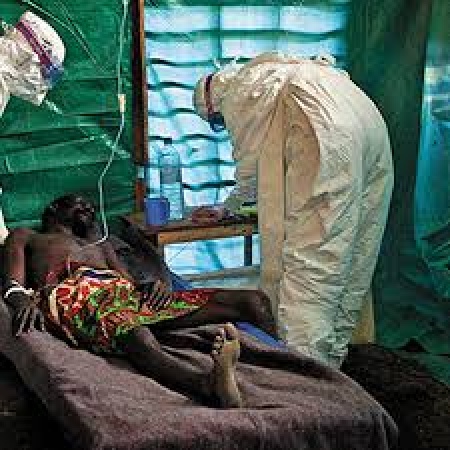
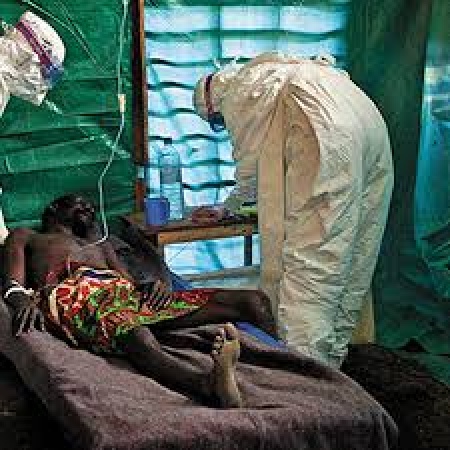
As fresh Ebola outbreaks spread across parts of Central and East Africa, Nigerian health authorities are intensifying surveillance and emergency preparedness measures to prevent the deadly virus from entering the country.
Although no confirmed case has been recorded in Nigeria, the Nigeria Centre for Disease Control and Prevention (NCDC) says the country is on high alert.
The alert follows the World Health Organisation’s (WHO) declaration of the outbreak as a Public Health Emergency of International Concern (PHEIC).
The current outbreak, linked to the rare Bundibugyo strain of the Ebola virus, has affected the Democratic Republic of Congo (DRC) and Uganda, with WHO warning that the epidemic is spreading rapidly in conflict-prone and highly mobile communities.
Unlike the more common Zaire strain, there is currently no approved vaccine or specific treatment for the Bundibugyo variant.
As of May 21, WHO reported 746 suspected cases and 176 suspected deaths in the DRC, alongside confirmed infections in Uganda.
Against this backdrop, Nigerian authorities insist that vigilance remains critical.
The Director-General of NCDC, Dr Jide Idris, said the agency had activated heightened surveillance and readiness activities nationwide in response to the regional health emergency.
According to him, Nigeria’s dynamic risk assessment places the possibility of Ebola importation into the country at a high level because of international travel, cross-border movement and uncertainty surrounding the full scale of the outbreak.
Health experts also warn that early Ebola symptoms closely resemble those of malaria and Lassa fever, increasing the risk of delayed detection.
Consequently, high-risk states, border communities, major transport hubs and Points of Entry have been prioritised for intensified monitoring and intervention.
In addition, the National Emergency Operations Centre has been placed on alert mode, while the National Incident Management System has been activated to strengthen coordination, reporting and emergency response mechanisms.
Similarly, epidemiologists and Rapid Response Teams have been placed on standby for possible deployment.
Public health analysts note that Nigeria’s current strategy is heavily influenced by lessons learnt during the country’s successful containment of Ebola in 2014, widely regarded as one of Africa’s most effective outbreak responses.
It may be recalled that Nigeria recorded its first Ebola case on July 20, 2014, when a Liberian-American diplomat, Patrick Sawyer, arrived in Lagos from Liberia while infected with the virus.
The disease eventually spread to Lagos and Port Harcourt, raising fears of a national health catastrophe in Africa’s most populous country.
However, through aggressive contact tracing, rapid isolation, public awareness campaigns and coordinated emergency response measures, Nigeria contained the outbreak within three months.
In total, the country recorded 20 confirmed cases and eight deaths before WHO officially declared Nigeria Ebola-free on Oct. 20, 2014.
Globally, the 2014–2016 West African Ebola epidemic became the deadliest in history, with more than 28,000 cases and over 11,000 deaths recorded across Guinea, Liberia and Sierra Leone.
Experts say the outbreak exposed major weaknesses in African public health systems but also pushed many countries, including Nigeria, to strengthen epidemic preparedness and disease surveillance capacity.
Since then, Nigeria has expanded its public health emergency infrastructure through the establishment of Emergency Operations Centres, improved laboratory networks and enhanced disease surveillance systems coordinated by NCDC.
Building on those lessons, Nigeria now retains trained Rapid Response Teams, Viral Haemorrhagic Fever preparedness structures and laboratory diagnostic capability across strategic locations nationwide.
Furthermore, Infection Prevention and Control (IPC) tools and operational checklists have been distributed to health facilities across the country.
Refresher training for healthcare workers on early case detection, isolation procedures and IPC protocols is also ongoing.
States have equally been advised to integrate Ebola preparedness into their emergency response plans, including the designation of isolation and treatment centres.
To strengthen readiness, NCDC and its partners are prepositioning Personal Protective Equipment (PPE), laboratory consumables and emergency medical supplies in strategic locations nationwide.
Laboratory testing capacity is also being reinforced in states hosting international airports and major entry points, while sample transportation and referral systems are being upgraded to improve response time.
Meanwhile, health authorities are intensifying efforts to combat misinformation and public panic surrounding the outbreak.
NCDC has dismissed rumours suggesting that Ebola is already spreading widely in Nigeria, stressing that no confirmed case has been identified in the country.
The agency also cautioned against false preventive claims circulating on social media.
According to the agency, substances such as salt water, bitter kola, herbs and seasoning cubes neither prevent nor cure Ebola.
Similarly, health officials clarified that Hantavirus and Ebola are completely different diseases, contrary to claims in some online posts.
Experts warn that misinformation can fuel fear, delay treatment and undermine public confidence during disease outbreaks.
For this reason, authorities are urging Nigerians to rely only on verified public health information from recognised institutions.
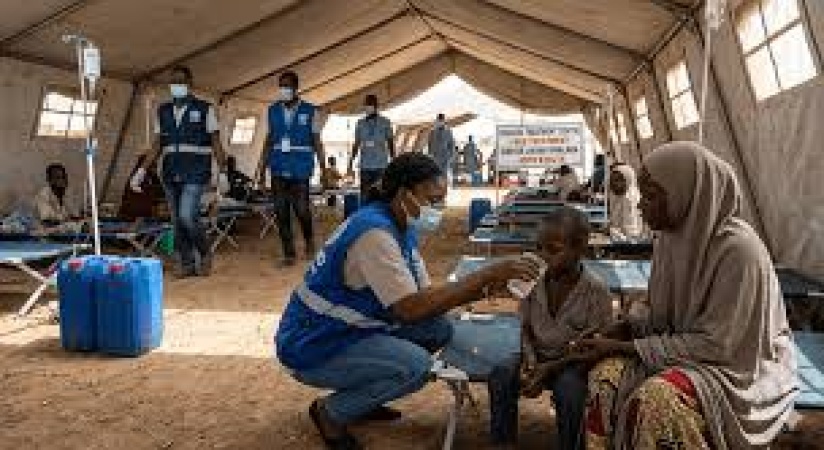
Hospitals and clinics across the country have also intensified infection prevention and control measures, including patient triage, hand hygiene, PPE use and isolation procedures to reduce transmission risks within health facilities.
In Lagos State, Nigeria’s major international gateway, authorities say emergency preparedness systems have been fully activated.
Commissioner for Health, Prof. Akin Abayomi, said there was no immediate Ebola threat in the state, but assured residents that surveillance and biosecurity measures had been strengthened.
According to him, Gov. Babajide Sanwo-Olu has directed intensified surveillance and rapid response activities across the state.
The Lagos State Emergency Operations Centre is currently operating round-the-clock, while the Infectious Disease Hospital in Yaba has maintained dedicated isolation and intensive care capacity for suspected infectious disease cases.
Increased health screening and surveillance have also been introduced at Murtala Muhammed International Airport and other entry points, especially for passengers arriving from affected countries.
Community health workers, civil society organisations and local community networks are equally being mobilised as part of early warning and public awareness efforts.
Health experts say public cooperation remains one of the most important factors in preventing the spread of Ebola.
To reduce risks, NCDC has advised Nigerians to wash their hands regularly with soap and water, avoid physical contact with persons showing symptoms such as fever, vomiting or unexplained bleeding, and refrain from consuming raw or undercooked bushmeat.
The agency also urged citizens to avoid contact with fruit bats, monkeys and apes, which are known reservoirs of the Ebola virus.
Suspected cases or unusual illnesses, especially among recent international travellers, should be promptly reported through the NCDC toll-free line 6232.
Healthcare workers have also been advised to maintain a high index of suspicion and strictly observe infection prevention protocols.
Symptoms of Ebola include fever, weakness, headache, muscle pain, sore throat, vomiting and diarrhoea, while severe cases may involve internal or external bleeding.
Medical experts warn against self-medication and encourage early presentation at health facilities once symptoms appear.
Although no Ebola case has been confirmed in Nigeria, health authorities insist that vigilance, early detection and public cooperation remain critical to protecting the country from another outbreak. (NAN)