Updating your news feed...
NEWS EXPRESS is Nigeria’s leading online newspaper. Published by Africa’s international award-winning journalist, Mr. Isaac Umunna, NEWS EXPRESS is Nigeria’s first truly professional online daily newspaper. It is published from Lagos, Nigeria’s economic and media hub, and has a provision for occasional special print editions. Thanks to our vast network of sources and dedicated team of professional journalists and contributors spread across Nigeria and overseas, NEWS EXPRESS has become synonymous with newsbreaks and exclusive stories from around the world.




Loading banners
Loading banners...

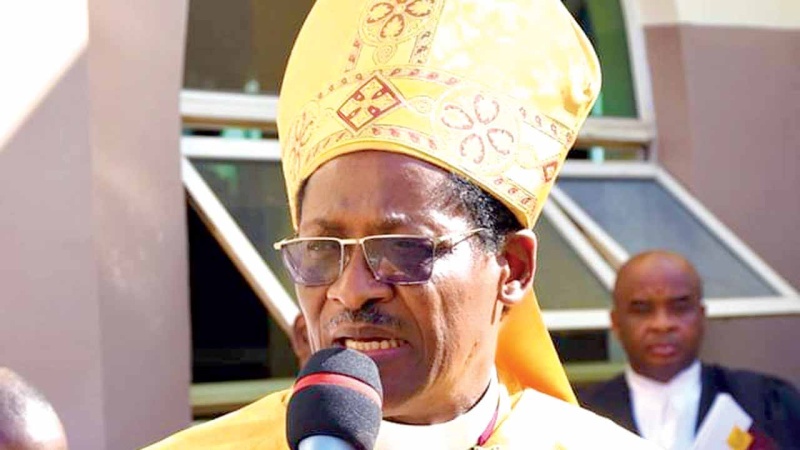
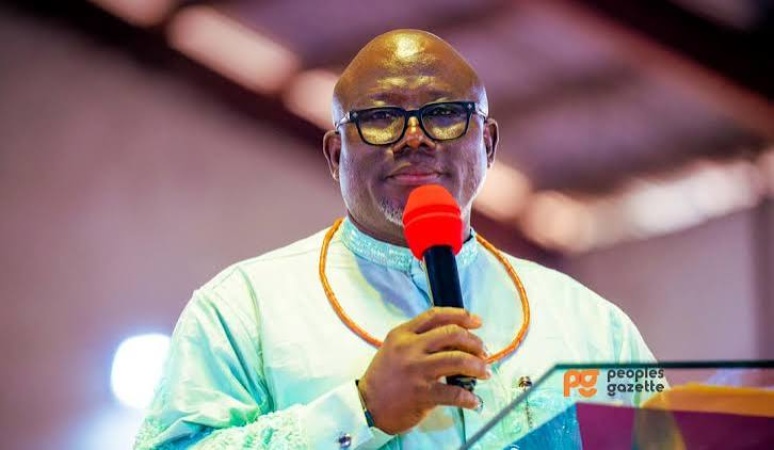
Most Reverend Henry Ndukuba
The Primate of the Church of Nigeria (Anglican Communion), Most Reverend Henry Ndukuba, has urged the Federal Government to reconsider and reverse the agreement between the Nigerian National Petroleum Company Limited (NNPCL) and Chinese firms on the rehabilitation of Nigeria’s refineries, warning that the country risks losing control of its oil wealth.
He spoke at the first session of the 13th Synod of the Anglican Diocese of Abuja at St. James Anglican Church, Asokoro, on Saturday.
The NNPCL recently signed an MoU with two Chinese firms to rehabilitate the Port Harcourt and Warri refineries, covering completion of ongoing works, operations and maintenance.
The deal has, however, raised concerns among industry stakeholders over transparency, the competence of previous technical partners and the government’s failure to publicly audit the refineries despite years of sending.
Critics also warned that Nigeria’s growing dependence on foreign partners could deepen vulnerabilities in the oil and gas sector amid declining crude production and rising debt.
Dr Ndukuba said the refineries should be handed to competent Nigerian investors capable of reviving them and reinvesting profits into the local economy.
“The recent handover of the National Refineries to China must be reconsidered so that some are given to competent Nigerians who will plow back their gains into Nigeria, rather than allow China to loot our oil, as they have done in the Solid Minerals sector,” he said.
Ndukuba acknowledged that the administration of President Bola Ahmed Tinubu inherited a severely battered economy but noted that recent reforms had begun stabilising key macroeconomic indicators.
Despite the improvements, he said ordinary Nigerians were yet to feel the impact of the reforms.
“With 133 million out of 220 million Nigerians in multidimensional poverty, macroeconomic gains have not reached citizens on the streets. The link between macroeconomic stability and household relief remains disconnected,” he said.
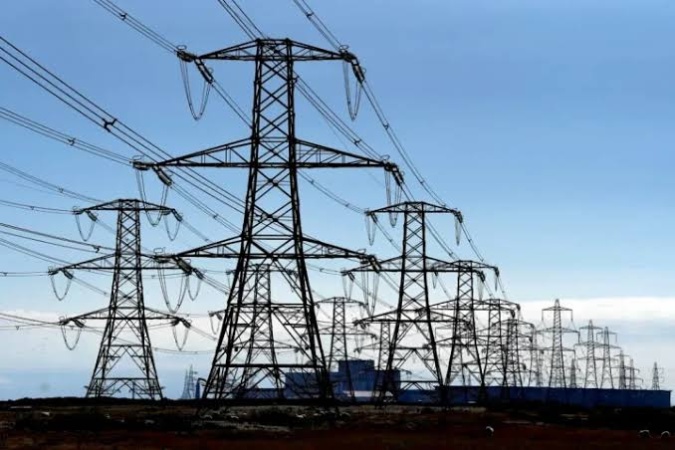
The Anglican Primate further expressed concern over the nation’s rising public debt, high lending rates, and persistent electricity shortages, warning that Nigeria’s ambition of building a $1 trillion economy would remain unrealistic without stable power supply.
On politics, Ndukuba accused the political class of prioritising survival and preparations for the 2027 elections over governance and citizens’ welfare.
He also urged the leadership of the Independent National Electoral Commission to remain neutral and ensure fairness in the electoral processes leading to the 2027 general elections.
Former President Goodluck Jonathan, in his remarks, lamented the growing moral decline in society, noting that killings and violence had become increasingly normalised.
“The decadence in society is so high that the church has to double its efforts through prayers and counselling to rebuild a normal society for our children,” he stated.
Jonathan said despite the nation’s present difficulties, Nigeria would overcome its challenges through focused leadership and collective commitment.
“Most societies pass through difficult phases of history. Nigeria will get to where it ought to be. It takes only good and focused leadership and commitment,” he said.
He recalled that countries now regarded as developed took between 30 and 40 years of disciplined leadership and reforms to attain their present status.
“I believe that with the work of religious leaders and committed leadership, we will build a nation that our grandchildren will be proud of,” Jonathan added.
The Primate of the Church of Nigeria (Anglican Communion), Most Reverend Henry Ndukuba, has urged the Federal Government to reconsider and reverse the agreement between the Nigerian National Petroleum Company Limited (NNPCL) and Chinese firms on the rehabilitation of Nigeria’s refineries, warning that the country risks losing control of its oil wealth.
He spoke at the first session of the 13th Synod of the Anglican Diocese of Abuja at St. James Anglican Church, Asokoro, on Saturday.
The NNPCL recently signed an MoU with two Chinese firms to rehabilitate the Port Harcourt and Warri refineries, covering completion of ongoing works, operations and maintenance.
The deal has, however, raised concerns among industry stakeholders over transparency, the competence of previous technical partners and the government’s failure to publicly audit the refineries despite years of spending.
Critics also warned that Nigeria’s growing dependence on foreign partners could deepen vulnerabilities in the oil and gas sector amid declining crude production and rising debt.
Dr Ndukuba said the refineries should be handed to competent Nigerian investors capable of reviving them and reinvesting profits into the local economy.
“The recent handover of the National Refineries to China must be reconsidered so that some are given to competent Nigerians who will plow back their gains into Nigeria, rather than allow China to loot our oil, as they have done in the Solid Minerals sector,” he said.
Ndukuba acknowledged that the administration of President Bola Ahmed Tinubu inherited a severely battered economy but noted that recent reforms had begun stabilising key macroeconomic indicators.
Despite the improvements, he said ordinary Nigerians were yet to feel the impact of the reforms.
“With 133 million out of 220 million Nigerians in multidimensional poverty, macroeconomic gains have not reached citizens on the streets. The link between macroeconomic stability and household relief remains disconnected,” he said.
The Anglican Primate further expressed concern over the nation’s rising public debt, high lending rates, and persistent electricity shortages, warning that Nigeria’s ambition of building a $1 trillion economy would remain unrealistic without stable power supply.
On politics, Ndukuba accused the political class of prioritising survival and preparations for the 2027 elections over governance and citizens’ welfare.
He also urged the leadership of the Independent National Electoral Commission to remain neutral and ensure fairness in the electoral processes leading to the 2027 general elections.
Former President Goodluck Jonathan, in his remarks, lamented the growing moral decline in society, noting that killings and violence had become increasingly normalised.
“The decadence in society is so high that the church has to double its efforts through prayers and counselling to rebuild a normal society for our children,” he stated.
Jonathan said despite the nation’s present difficulties, Nigeria would overcome its challenges through focused leadership and collective commitment.
“Most societies pass through difficult phases of history. Nigeria will get to where it ought to be. It takes only good and focused leadership and commitment,” he said.
He recalled that countries now regarded as developed took between 30 and 40 years of disciplined leadership and reforms to attain their present status.
“I believe that with the work of religious leaders and committed leadership, we will build a nation that our grandchildren will be proud of,” Jonathan added.
(Daily Trust)