
ADVERTISEMENT

ADVERTISEMENT

ADVERTISEMENT

ADVERTISEMENT



















.webp&w=256&q=75)
Loading banners

NEWS EXPRESS is Nigeria’s leading online newspaper. Published by Africa’s international award-winning journalist, Mr. Isaac Umunna, NEWS EXPRESS is Nigeria’s first truly professional online daily newspaper. It is published from Lagos, Nigeria’s economic and media hub, and has a provision for occasional special print editions. Thanks to our vast network of sources and dedicated team of professional journalists and contributors spread across Nigeria and overseas, NEWS EXPRESS has become synonymous with newsbreaks and exclusive stories from around the world.
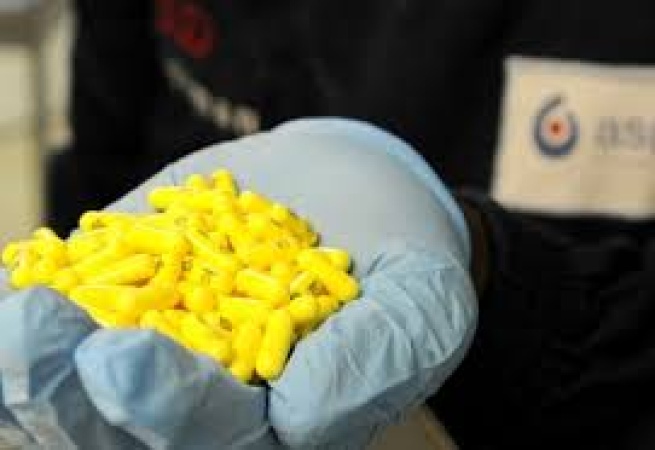
West African countries have been urged to urgently strengthen pharmaceutical supply chains and reduce heavy dependence on imported medicines, as the third edition of Pharma West Africa Exhibition & Conference 2026 opened in Lagos on Tuesday.
The conference brought together policymakers, regulators, manufacturers, investors, and health professionals from across the region under the theme “Pharmaceutical Supply Chain Strengthening for Self-Sufficiency in West Africa” to address growing concerns over medicine security and the sustainability of health systems.
Speaking at the opening, stakeholders warned that West Africa’s reliance on fragmented procurement systems and external donor funding is no longer sustainable and called for a shift toward integrated, locally driven pharmaceutical production supported by stable financing systems.
Chairman of the Planning Committee and former President of the Pharmaceutical Society of Nigeria, Pharm. Ahmed Yakasai, said the COVID-19 pandemic exposed deep vulnerabilities in global supply chains, leaving African countries at risk when access to essential medicines became constrained.
“Dependence on external systems puts our nations at risk… we are here to build systems that endure,” he said.
He added that the goal of the conference is ultimately about people—patients who depend on safe, reliable access to medicines.
Delivering a keynote address, Dr Olamide Okulaja, the Chief Growth Officer at Maisha Meds International, questioned why Africa still imports over 70 per cent of its medicines despite existing manufacturing capacity.
Okulaja noted that many manufacturers operate at only 30–60 per cent capacity due to poor demand visibility and fragmented procurement systems, arguing that “self-sufficiency is an integration problem, not a manufacturing problem”.
He further warned that declining donor funding for major health programmes is forcing African countries to rethink how they finance healthcare delivery, urging a shift toward insurance-based, predictable health financing systems.
This, he said, would allow manufacturers to scale production confidently and enable pharmacies to stock quality medicines reliably.
According to him, with reforms to ensure stronger insurance and risk-pooling systems, affordable credit for pharmacy networks, and long-term investment capital for manufacturers, the pharma system will remain fragmented and dependent.
Former President of the Nigeria Academy of Pharmacy, Prince Julius Adelusi-Adeluyi, highlighted the critical role pharmacists played during the pandemic, noting that the pharmaceutical sector remains central to global health responses.
He urged professionals to act with integrity and commit to practical steps toward pharmaceutical self-reliance in their respective countries.
Meanwhile, Prof. Akin Abayomi, Lagos State Commissioner for Health, urged the pharmaceutical sector to support government policy on diagnostics, especially the “test before treat” approach.
He noted that many pharmacies still lack rapid diagnostic tools, which affects treatment quality and antibiotic use. (TRIBUNE)


