The United Nations has condemned the development. UN envoy Martin Kobler said: “I condemn the attempt to seize the headquarters of the high council of state. Such actions … will generate further disorder and insecurity and must end for the sake of the Libyan people.”
His comments came hours after armed units backed by trucks mounted with anti-aircraft guns seized buildings of the UN-backed government of national accord around Tripoli’s Rixos hotel complex, with local forces fleeing without a battle.
Fayez al-Sarraj, the GNA’s prime minister, and his seven-strong presidency council have spent the past week ensconced in a hotel in neighbouring Tunisia debating a new cabinet, after deciding the Libyan capital was unsafe.
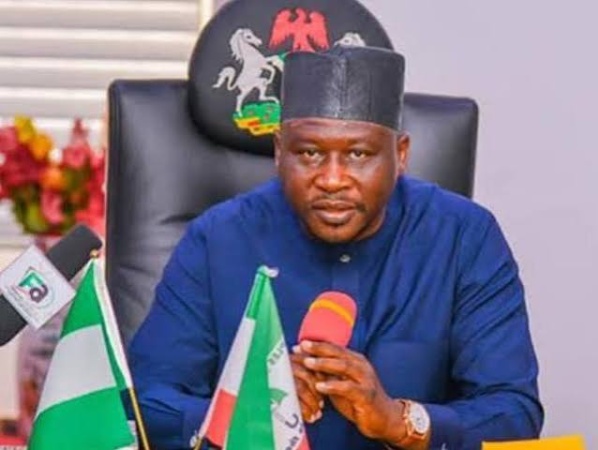
The plotters have proclaimed the return of a former administration, the national salvation government, in what has so far been a bloodless takeover. Coup leader Khalifa al-Ghwell, a former prime minister, declared the GNA was now void after repeated failures. “The presidential council was given chances one after another to form the government, but it fails ... and has become an illegal executive authority,” he said.
Speaking from Tunisia, Sarraj vowed to restore order, calling on loyal militia units to “arrest the plotters immediately”. He said: “Arrest all those who plotted for the coup and those who are [looking at] forming parallel governments. This action by the GNC and the armed militias that backed its coup attempt helps add to the chaos in the country and leaves the door wide open for any group to assault the state institutions and buildings.”
Six months after arriving in Tripoli, the GNA has failed to establish a security force of its own, and with no police or army units in the capital, the city’s potent militias have emerged as kingmakers in the power struggle between rival governments. The struggle is itself part of a wider war, between militias in parts of the capital and western Libya against those loyal to the elected parliament based in the eastern town of Tobruk.
Parliament has so far refused to work with the GNA, and its hand was strengthened in September after its army commander, Khalifa Haftar, captured the country’s key oil ports giving it control of most of the oil industry.
MPs are due to meet in Tobruk on Monday to debate events in Tripoli, but MP Salah Suhbi said they were likely to adopt a wait-and-see attitude towards the capital’s power struggle. “To be honest it is chaotic, we now have two governments [in Tripoli] – it is out of our hands,” he said. “The situation in Tripoli is getting out of control: it is a city with 150 militias in it.”
Diplomats had been pinning their hopes on the GNA being able to persuade the country’s splintered armed factions to unify behind it and end a two-year civil war, tackle Islamic State and end a rising tide of migration to Europe. Instead, the fledgling government has presided over a capital where militia violence and assassinations are rife, and citizens struggle with daily power cuts – one was in place when the coup broke out – cash shortages and rampant inflation.
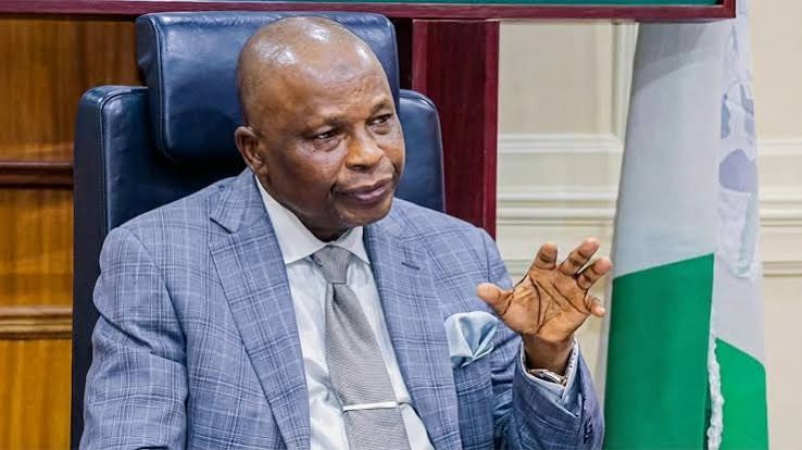
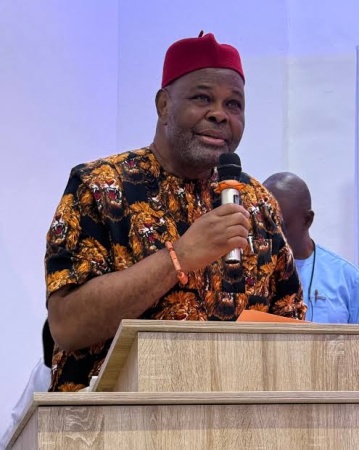
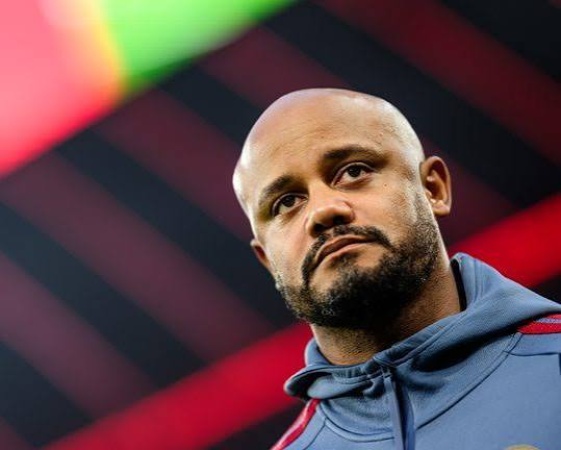
•Adapted from a Guardian of London report. Photo shows coup leader Khalifa al-Ghwell.
 AD
AD