
Updating your news feed...
NEWS EXPRESS is Nigeria’s leading online newspaper. Published by Africa’s international award-winning journalist, Mr. Isaac Umunna, NEWS EXPRESS is Nigeria’s first truly professional online daily newspaper. It is published from Lagos, Nigeria’s economic and media hub, and has a provision for occasional special print editions. Thanks to our vast network of sources and dedicated team of professional journalists and contributors spread across Nigeria and overseas, NEWS EXPRESS has become synonymous with newsbreaks and exclusive stories from around the world.



Loading banners
Loading banners...

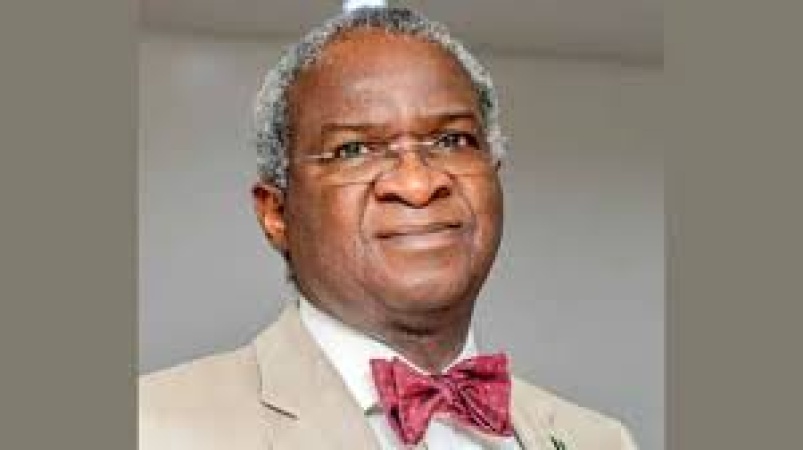
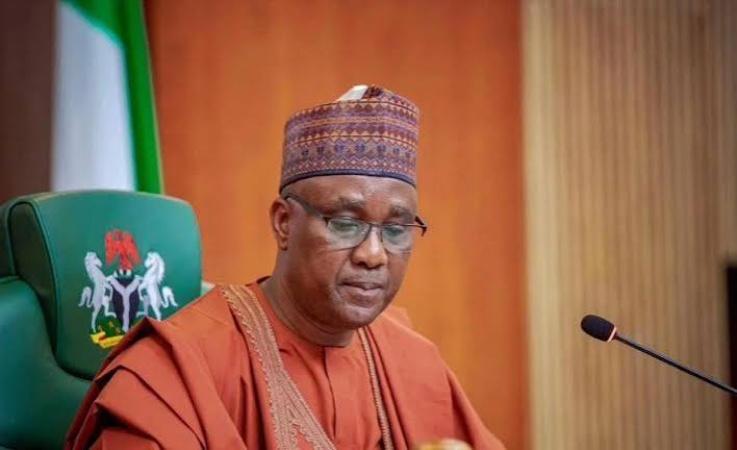
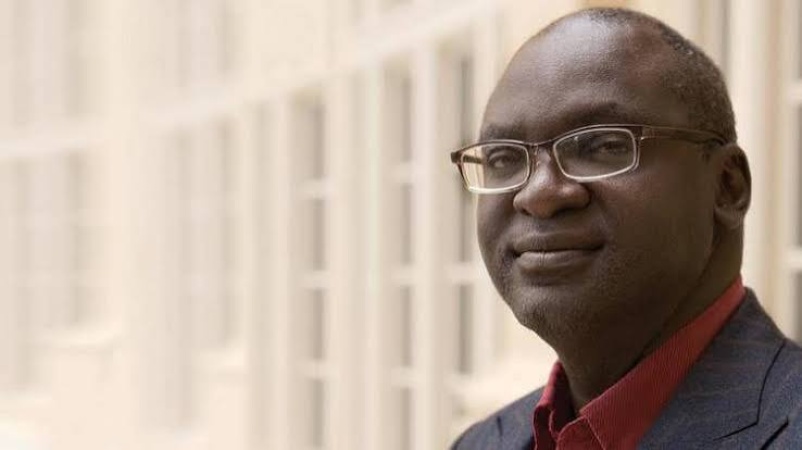
Babatunde Fashola SAN, former Lagos governor
Former Lagos State Governor, Babatunde Raji Fashola (SAN), has urged the Federal Government to adopt a firm stance on international visa restrictions, noting that the country should not resort to pleading with other nations for access.
Fashola spoke on Tuesday at the Inaugural Nigeria Reputation Summit organised by the Nigerian Reputation Management Group (NRMG) in Abuja.
He observed that how Nigeria reacts to travel bans and visa denials has reputational consequences beyond diplomacy.
His remarks come against the backdrop of fresh travel restrictions announced by the United States, which took effect from January 1, 2026, following Presidential Proclamation 10998 aimed at tightening border and national security controls.
The restriction also follows the suspension of immigrant visa processing for Nigerians and other countries, including Russia, Somalia, Brazil and Afghanistan.
Speaking at the summit, Fashola cautioned Nigeria against adopting a pleading posture in the face of such decisions, stressing that the country still holds economic leverage through the spending power of its citizens.
The former minister stressed that reclaiming national pride did not mean condoning bad behaviour by Nigerians abroad, but rather rethinking how Nigeria protects its dignity while addressing reputational challenges.
He said, “We are at the point where some countries have the audacity to tell us, ‘don’t come to our country. The question is: are we submissive and surrendering and apologetic, or are we really the giants that we are?”
“One of the things I learned very early in life is the power of the customer who is spending money. In all of those places where they are harassing us today, we go there and spend real money.
“And so, from a place of national pride, not a place of support for bad behaviour, let us rethink how we re-approach these things. Just imagine if your neighbour said, don’t come to my house again, I don’t want to see your children here. So, what would you really be doing? Pleading with your neighbour?
“That’s not how I was raised. So, let’s just think about it from that perspective.”
Addressing the recent appointment of ambassadors by President Bola Tinubu, the former minister said diplomatic postings must go beyond protocol and social engagement to include deep knowledge of Nigeria’s policy positions and economic realities.
“Our ambassadors must have handy knowledge of Nigeria’s fiscal position, tax laws, investment incentives, oil and gas policy, mining policy, and how long it takes to register a business in Nigeria. They must be prepared to really represent us.”
Fashola recounted an experience during an official visit to an African country where Nigeria’s ambassador, he said, lacked adequate knowledge of Nigeria’s policy stance on sectoral issues he was visiting to discuss.
He argued that ambassadors should play a central role in attracting people and investments to Nigeria, rather than encouraging Nigerian officials to travel abroad unnecessarily.
Minister of Information and National Orientation, Mohammed Idris, called on Nigerians, professionals, institutions, and the private sector to take shared responsibility for building and protecting the country’s reputation through honest communication and visible progress.
Idris described the unveiling of Nigeria’s first National Reputation Perception Index by the Nigerian Institute of Public Relations (NIPR) as a significant step in understanding how the country is perceived, both domestically and internationally.
The Minister acknowledged that while the report places Nigeria in a low-trust category, significant progress has been made in the last two years under President Bola Ahmed Tinubu’s administration.
“We are not where we used to be. While perception often lags behind reality, real progress is being made, and it must be communicated clearly, consistently, and honestly,” he said.
Addressing recent negative narratives about Nigeria, particularly claims of religious intolerance, he said such reports do not reflect the true character of the country.
“Nigeria is not a nation of intolerance. We are actively correcting false narratives through diplomacy, stronger security efforts, and continued engagement with our partners,” he said.
The President of the Nigerian Institute of Public Relations (NIPR), in his address, emphasised that in the modern global order, national reputation has become a strategic powerhouse with profound implications for citizens, governance, and the economy.
Addressing the controversy over a report that Nigeria hired a US-based consultancy firm in a $9 million lobbying deal, the NIPR President clarified that lobbying is a recognised public relations function and does not constitute a criminal offence.
He explained that while lobbying is legitimate and globally accepted, he did not endorse the specific cost or contractors involved, noting that he had no direct knowledge of the deal’s details.
Chairman of NRMG, Chief Yomi Badejo-Okusanya, said the summit was convened to begin a coordinated national conversation on managing Nigeria’s reputation deliberately rather than reactively. (The Guardian)




