
Updating your news feed...
NEWS EXPRESS is Nigeria’s leading online newspaper. Published by Africa’s international award-winning journalist, Mr. Isaac Umunna, NEWS EXPRESS is Nigeria’s first truly professional online daily newspaper. It is published from Lagos, Nigeria’s economic and media hub, and has a provision for occasional special print editions. Thanks to our vast network of sources and dedicated team of professional journalists and contributors spread across Nigeria and overseas, NEWS EXPRESS has become synonymous with newsbreaks and exclusive stories from around the world.


Loading banners
Loading banners...

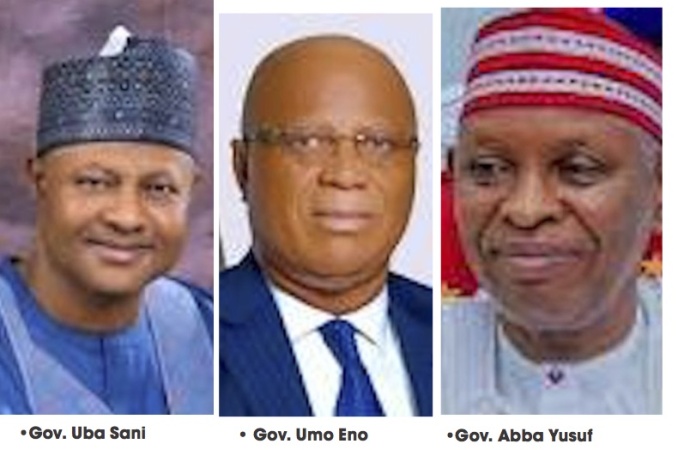
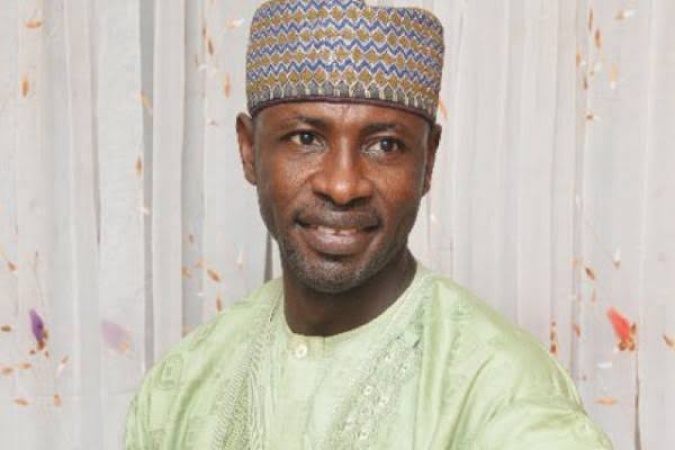
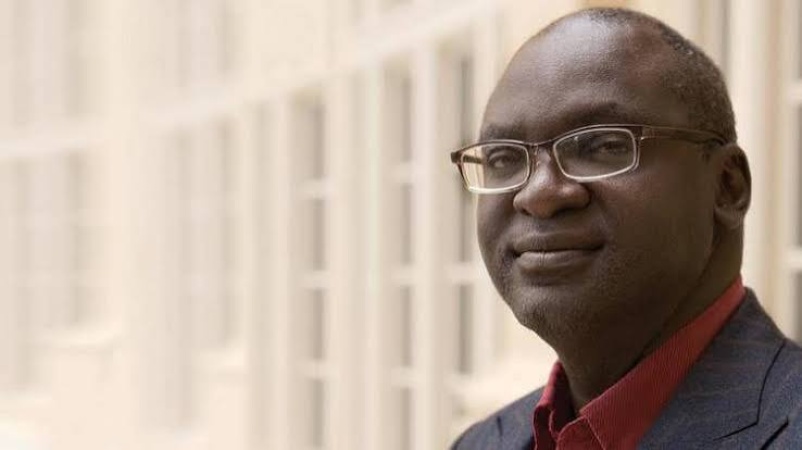
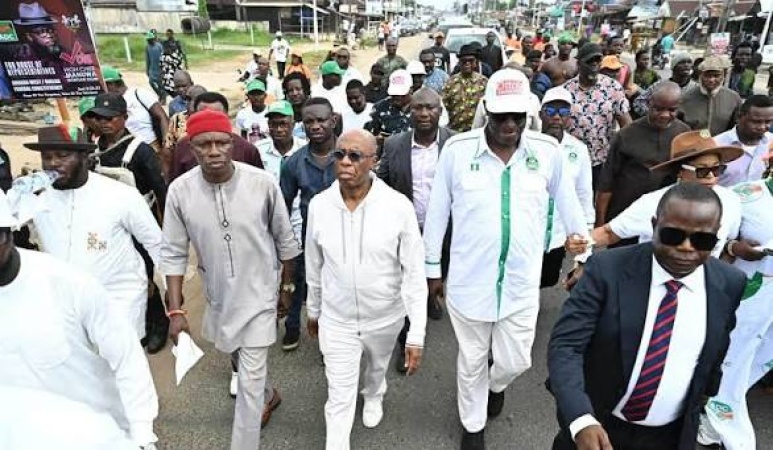
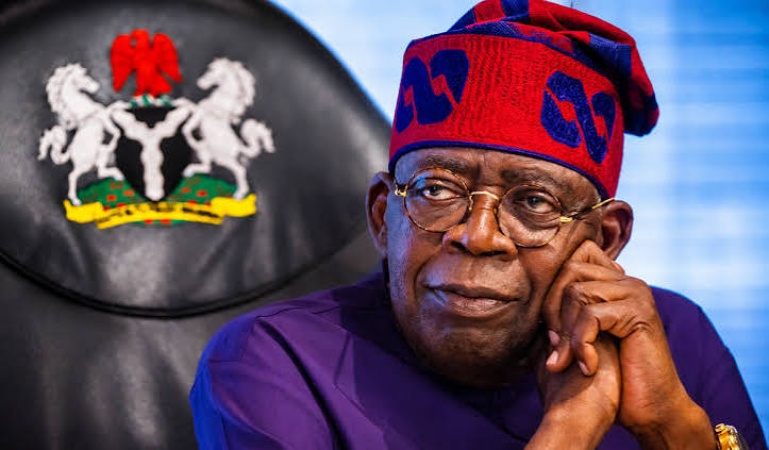
Photo collage of first-term governors
As the countdown to the 2027 general election begins, the uncertainty over the re-election bid of elective political office holders, particularly the incumbent President and some state governors serving their first term in office, has taken centre stage in heightening political tension across the country.
The anxiety and the fears usually fuelled by animosity between the incumbent governors seeking a second term and their long-time political godfathers, always determined to constitute major impediments to their re-election ambitions, have really widened and escalated political fault lines ahead of next year’s polls.
Retrospectively, in the chequered history of Nigeria’s democracy, the usual intense struggle and scheming for second-term re-election tickets have been largely responsible for the greater percentage of the factors instigating political crisis that typically destabilise the polity across the country.
During every build-up to major elections in Nigeria, the hitherto cordial relationship between godfathers and their godsons, which blossomed during the first tenure in office, is usually strained and reduced to such a disturbing extent that godfathers launch asymmetric warfare against their benefactors, both clandestinely and openly, to make a bold statement.
Whether the uncertainty confronting the first tenure elective political office holders comes in the form of the unavoidable plots from their godfathers or they are witch-hunted by the fears from actual and imaginary forces, the concentration on the scheming to crush the obstacles that might militate against the retention of their position usually heightens the political temperatures in the build-up to every democratic dispensation.
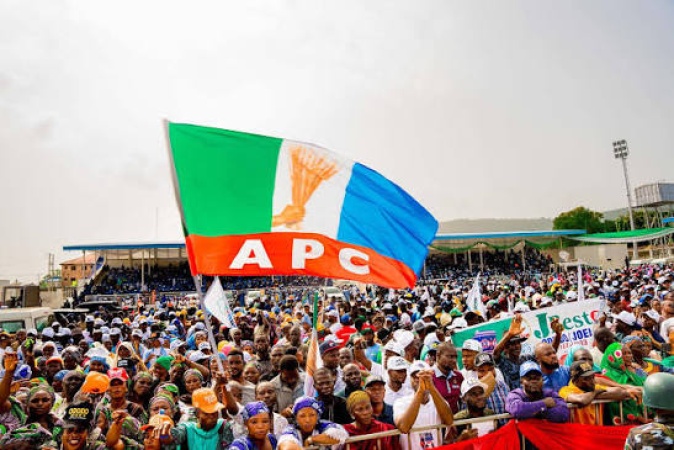
Presently, while some of the affected state governors, particularly those from the opposition parties, have been smart enough to find political shelter within the All Progressives Congress (APC) to brighten their electoral chances in the 2027 polls, some of their erstwhile godfathers seem to have been left in the cold to wallow in frustration, fighting effortlessly to crush their ambitions.
Today, in several states, pundits believe strongly that the fear of re-election among first-term governors is not only palpable as the countdown to next year’s general elections and beyond narrows, but also responsible for the worsening crises and tensions destabilising the political parties and actors.
Obviously, in greater parts of the states where the first-term governors have defected to the ruling APC or are under immense pressure to join the opposition coalition party, the African Democratic Congress (ADC), it is largely instigated by the desperation to strategize to secure their second-term re-election tickets.
Fighting on many fronts, it seems that the efforts of the first-term governors battling to navigate and extricate themselves from the hostile relationships with their godfathers have, as usual, dominated the build-up to next year’s general elections.
Across the states, the increasing violation of Electoral Acts through campaign activities among the political actors and parties, disguisedly packaged in such a manner to make bold statements about better visibility and relevance have regrettably relegated governance to the background.
Even a few months before the commencement of campaign activities for next year’s general elections, political actors operating from different parties’ wavelength have conspicuously stopped at nothing in engaging each other in a show of force to competitively intimidate and outclass themselves.
Usually disguised in all manner of branding like stakeholders’ meetings, thank you visits and outreaches, and enlightenment for membership registration, the serving president and governors and or their supporters have clearly capitalised on such platforms to announce their readiness or that of their principal to seek the re-election tickets.
In recent times, from Rivers to Kaduna, Enugu to Kano, Taraba to Delta, and Kebbi among other states, the display of force in the escalating fierce battle between the godfathers and their godsons has resulted in the gladiators expending millions of Naira to mobilise supporters just to intimidate and send a clear signal of their readiness for the war ahead.
Although the incidents of godfathers frustrating the second-term re-election bid of their hitherto godsons were as old as the successive republics, there are indicators that it is more prevalent in the current fourth republic dispensation.
Previously and even presently, there have been widespread cases in Kano, Lagos, and other states across the six geopolitical zones of Nigeria, with incidents of state governors anointing and backing their cronies to succeed them, only to turn around and lead hostile and ferocious onslaught against them just to ensure that they did not stand any chance of re-election.
Kano state presents a typical case study where a planted political seed of discord between the former national chairman of the APC, Dr. Abdullahi Umar Ganduje, and his erstwhile principal, Alhaji Rabiu Musa Kwankwaso, germinated during the build-up to Ganduje’s re-election, and continued to fester till its present dangerous extent.
Before then, Ganduje not only served as Kwankwaso’s deputy as Kano governor but also conspicuously belonged to his kitchen cabinet. Then the relationship was so cordially intimate to the extent that Kwankwaso approved, endorsed, supported, and worked for Ganduje’s emergence as his successor, one of a kind in the country.
However, from the time Ganduje indicated interest in a second term till today, their relationship has collapsed and continued to deteriorate to the point that they belong to different political camps and do not even see eye-to- eye today.
The division has not only polarised the state but also resulted in the incumbent governor, Abba Yusuf, being hunted by the pariah relationship between the two political leaders in the state, as he is caught up in the battle of the sides to pitch his tent with to actualise his re-election ambition during next year’s governorship election.
In the build-up to the election, if Governor Yusuf is not fighting to extricate himself and his supporters from the clutches of his godfather, the Kwankwasiyya’s political structure, he is battling for stability in the pull and push forces tearing him apart to defect to the APC.
The Kano scenario equally played out in Lagos state previously when the leader of modern Lagos politics, President Bola Tinubu, fell out with his successor, Babatunde Fashola (SAN), which almost scuttled the latter’s second-term re-election as governor before the intervention from major stakeholders brought the situation under control.
In most parts of the states today, there is no perfect and cordial relationship between the governors and their former principals. In some of them, if they are not at daggers drawn, they would be plotting against each other, operating from different political platforms.
Already, in the build-up to next year’s general elections, states like Delta, Enugu, Taraba, Plateau, Kaduna, Osun, Rivers, Akwa-Ibom, Abia, Kebbi, Zamfara, among others where the incumbent governors are desperately seeking re-election tickets, intense battle, ragging endlessly, has forced many of them to opt for defection to the APC as the best antidote to the overwhelming forces mounting against them.
For instance, from Enugu where Governor Peter Mbah is fighting real and imaginary forces to retain his position beyond 2027 to Delta State where Governor Sheriff Francis Orohwedor Oborevwori, is still in the trenches to dismantle all the obstructing hurdles to make his re-election seamless, their defections to the APC signal the height of determination of the first-time governors to secure their political future.
For doubters, despite the unending encomiums for the trailblazing landmark achievements Governor Mbah has recorded, in addition to the bulldozer he rolled out to dismantle the political structures of his political rivals, the uncertainty and insecurity over his re-election ticket must have forced him to defect to the APC.
Hunted by the speculations in many quarters that the state is not managed better, judging by the complaints against his aggressive expansion of taxes, levies, and enforcements, especially on small and medium scale businesses, demolitions in some axis in the name of urban renewal, and petitions against his smart school initiatives and healthcare systems, Governor Mbah may have felt so uncertain about his re-election if he didn’t jump out of the sinking ship of his party, the Peoples Democratic Party (PDP) into the APC.
In Kogi, the fear of re-election for the second term facing the governor, Usman Ododo, despite being a member of the ruling party, APC, is even more frightening than his counterpart in other states.
Governor Ododo, with the help of his godfather, Yahaya Bello, the White Lion, may have obviously consolidated his grip on power in Kogi with an iron fist to guarantee his seamless re-election, yet the apprehension is still written all over him and his loyalists.
His dispositional trepidation, which has kept Governor Ododo awake and alert for an impending danger of his losing the seat, has everything to do with the destabilising speculations that Hon. James Faleke is interested in the Lord Lugard House, seat of power, in 2027.
The perilous situation jolting the governor is understandable because apart from his challenger being an integral part of President Tinubu’s kitchen cabinet, many also saw his interest in the governorship ticket, as a genuine threat, strong enough to rattle the incumbent governor.
Again, the fact that Faleke was allegedly short-changed and schemed out of becoming the governor after Abubakar Audu died before the declaration of the 2019 governorship election, stands head and shoulder above Governor Ododo to wrest the ticket.
His condition is even more precarious because his election will be conducted after the 2027 presidential election, which, if President Tinubu is re-elected, may embolden his challengers and spell doom for him since he may not have all it takes to fight the federal might.
For some political watchers, what may save Governor Ododo could be if Faleke reluctantly shelves his ambition, through President Tinubu, perhaps prevailing on him or the Yahaya Bello-led political machinery in the state does the unthinkable to outsmart Faleke’s moving political train from crushing it.
Similarly, in Plateau State, miffed by the same political uncertainty of losing the re-election ticket by remaining with the PDP, the governor, Caleb Manasseh Mutfwang, despite his impressive performances in the state, had smartly bulldozed his way into the APC, mainly to secure his ambition.
Battling several obstacles and forces to submission after several months of scheming to muscle his way into the ruling party’s enclave, Governor Mutfwang, heaved a sigh of relief and reprieve after his acceptance into the APC to confront the unclear coast for his automatic re-election.
Other incumbent first-term governors that saw the uncertainties of their futures in remaining with their political platform instead of opting to join the APC include those of Akwa-Ibom, Umo Bassey Eno, Taraba, Agbu Kefas, Kebbi, Mohammed Nasir Idris, who is facing a daunting challenge as former Attorney-General and Minister of Justice, Abubakar Malami, SAN, is likely to challenge him.
Others are Benue, Rev Fr Hyacinth Alia, who still have an axe to grind with APC and the opposition party stakeholders to retain the ticket, Kaduna, Uba Sani, gravely hunted by the rampaging forces from his predecessor, Mallam Nasir El Rufai, who is bent in ensuring the scuttling of his re-election and in Osun State, where Ademola Adeleke may have to surmount the mountainous obstacles from the APC rampaging forces to retain his ticket.
But the situation is more offensively menacing in Rivers State, where the plot to stop Governor Sim Fubara’s re-election in 2027 seems to have been signed, sealed and only waiting for delivery.
In fact, judging by the looming fears confronting his re-election, Governor Fubara, intensely engaged in a dreadful battle with his erstwhile godfather and Minister of the Federal Capital Territory (FCT), Nyesom Wike, is certainly facing a more precarious situation than his counterparts in other states.
Only recently, in his veiled but forceful attack on the governor, Wike had boastfully said that use of money and access to public funds, which has never been the determining factor in Rivers politics, will not guarantee Fubara’s re-election in the 2027 election.
“We are battle-ready. We were the original ‘mandate’ people. Don’t deal with people who cannot keep to agreements and then tell you it is politics. That kind of politics will not work here again.
“If they like, let them keep all the money, whether they have N600 billion or not, we have defeated people with money before. We will still defeat people with money. What matters is the people; it is not money,” Wike said.
However, in the opinion of many political watchers, the fears and uncertainties confronting the first-term incumbents, both the president and the governors, and by extension the legislators, are a clear indictment of the faulty electoral system in the country.
They argued that with the conduct of transparent and credible elections where the electorate will be vested with the ultimate deciding power to determine the outcome of the election, the re-election of first-term political office holders should largely be performance-driven, not based on the whims and caprices of the godfathers or election manipulators. (The Sun)




