ADAD
ADAD
Updating your news feed...
NEWS EXPRESS is Nigeria’s leading online newspaper. Published by Africa’s international award-winning journalist, Mr. Isaac Umunna, NEWS EXPRESS is Nigeria’s first truly professional online daily newspaper. It is published from Lagos, Nigeria’s economic and media hub, and has a provision for occasional special print editions. Thanks to our vast network of sources and dedicated team of professional journalists and contributors spread across Nigeria and overseas, NEWS EXPRESS has become synonymous with newsbreaks and exclusive stories from around the world.


























Loading banners
Loading banners...

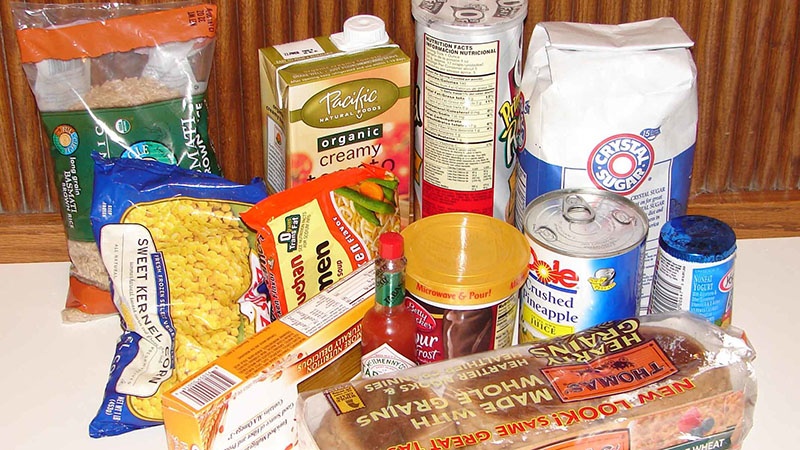
Sample photo of packaged foods containing preservatives
Experts say that foods that rely heavily on preservatives may be doing more than extending shelf life, and also be dangerous to health, as they increase an individual’s chances of developing type 2 diabetes.
In a large study spanning more than a decade, they reported that people with the highest intake of preservative additives were far more likely to develop type 2 diabetes. The increased risk appeared across many commonly used additives found in everyday processed foods.
Researchers at Inserm, INRAE, Sorbonne Paris Nord University, Paris Cité University and Cnam, as part of the Nutritional Epidemiology Research Team (CRESS-EREN) involved in the study, said the findings support advice to limit highly processed products when possible.
They found that overall preservative consumption was linked to a 47% higher risk of type 2 diabetes. Non-antioxidant preservatives were associated with a 49% increase, while antioxidant additives were linked to a 40% higher risk.
The findings are based on health and diet data from more than 100,000 adults enrolled in the NutriNet-Santé cohort and were published in the journal Nature Communications. They provided information about their medical history, socio-demographic background, physical activity, lifestyle habits, and overall health.
Preservatives are part of the broader category of food additives and are widely used throughout the global food supply. In 2024, the Open Food Facts World database listed around three and a half million food and beverage products. More than 700,000 of those products contained at least one preservative.
The preservative additives were grouped into two: the non-antioxidant preservatives, which slow spoilage by limiting microbial growth or slowing chemical reactions in food, and the antioxidant additives, which help preserve foods by reducing or controlling exposure to oxygen in packaging.
Across all food records, researchers identified a total of 58 preservative-related additives. This included 33 preservatives in the strict sense and 27 antioxidant additives.
The analysis accounted for many factors that could influence diabetes risk, including age, sex, education, smoking, alcohol use, and overall diet quality (calories, sugars, salt, saturated fats, fibre, etc.).
Over the study period, 1,131 cases of type 2 diabetes were identified among the 108,723 participants. Also, compared with people who consumed the lowest levels of preservatives, those with higher intake showed a markedly increased risk of developing type 2 diabetes.
Among the 17 preservatives examined individually, higher intake of 12 was associated with an increased risk of type 2 diabetes. These included widely used non-antioxidant preservatives (potassium sorbate (E202), potassium metabisulphite (E224), sodium nitrite (E250), acetic acid (E260), sodium acetates (E262) and calcium propionate (E282)) as well as antioxidant additives (sodium ascorbate (E301), alpha-tocopherol (E307), sodium erythorbate (E316), citric acid (E330), phosphoric acid (E338) and rosemary extracts (E392)).
Mathilde Touvier, a coordinator of the study, declared, “This is the first study in the world on the links between preservative additives and the incidence of type 2 diabetes. Although the results need to be confirmed, they are consistent with experimental data suggesting the harmful effects of several of these compounds.” (Nigerian Tribune)