 ADAD
ADAD
Updating your news feed...
NEWS EXPRESS is Nigeria’s leading online newspaper. Published by Africa’s international award-winning journalist, Mr. Isaac Umunna, NEWS EXPRESS is Nigeria’s first truly professional online daily newspaper. It is published from Lagos, Nigeria’s economic and media hub, and has a provision for occasional special print editions. Thanks to our vast network of sources and dedicated team of professional journalists and contributors spread across Nigeria and overseas, NEWS EXPRESS has become synonymous with newsbreaks and exclusive stories from around the world.












Loading banners
Loading banners...

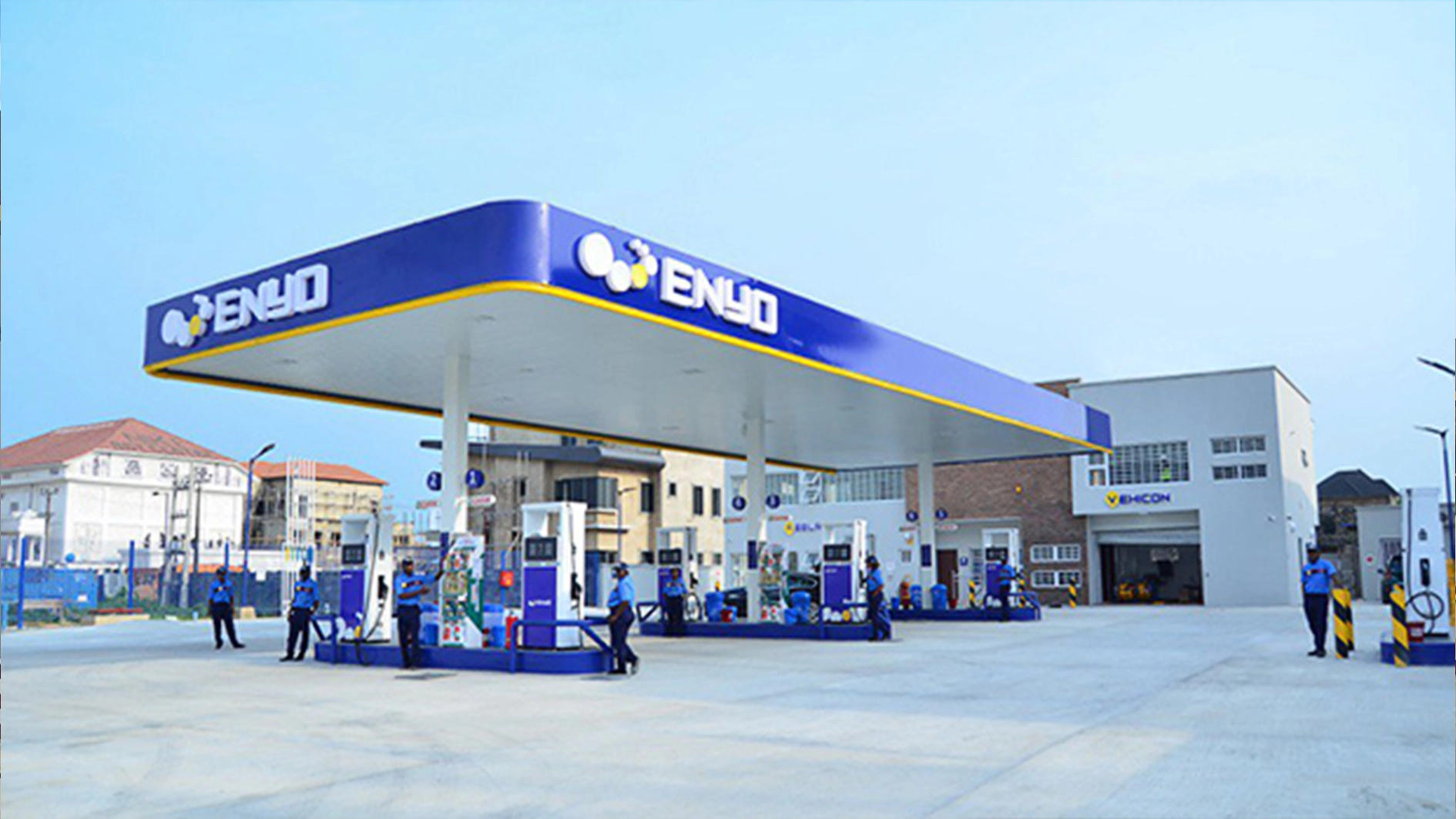
FOR millions of Nigerians, the current hike in petrol price is not just a market adjustment; it is a daily economic reality, reshaping transportation decisions, spending patterns, and the cost of living across the country.
Commuters and transport operators have reported a surge in fares. Abdulrahman Oyedele, a commercial bus driver in Igando, told The Guardian that to avoid running at loss, they need to increase the fare.
“With petrol costing more, we have no choice but to raise fares. Even short trips now take a bigger chunk out of people’s income. Nigerians are struggling more than ever just to get to work or school,” he expressed.
Private vehicle owners also feel the pinch. “My fuel expenses have increased by almost 40 per cent in a few weeks, not up to a month,” said Kunle Adeyemi, a Lagos resident.
He added that this reduces money available for groceries and other essentials, which has become a daily struggle for weeks.
For traders, the price hike has driven up operational expenses, particularly for businesses relying on transport.
Sade Olatunji, a textile trader in Oshodi Market, said the cost to move goods from suppliers has risen sharply.
“We are forced to increase prices for customers, but sales are already slow because people are cutting back on spending. This is the time to even have more sales due to the coming Eid celebration but the petrol increase has affected our business,” she lamented.
Students also feel the economic strain as they are dependent on daily transport and have had to adjust budgets drastically.
Chinaza Okoro, a final-year student at the Lagos State University (LASU), said:“My allowance barely covered food and transport before. Now, with higher fuel costs, I spend more just commuting to lectures and part-time work.”
Meanwhile, Dangote Petroleum Refinery has again increased the ex-depot price of Premium Motor Spirit (PMS), also known as petrol, from N1,075 to N1,175 per litre, prompting depot operators across key supply hubs to halt sales.
The Guardian checks also revealed that loading operations at the refinery have also been temporarily suspended.
An insider at the refinery explained that the price hike reflects the surge in global crude oil prices, which climbed above $100 per barrel at the weekend.
The Guardian gathered that the adjustment was necessary to reflect current refining costs driven by international crude movements.
The increase comes amid a sustained rise in global crude prices. The Brent crude, the global benchmark, topped $101.30 per barrel, while West Texas Intermediate (WTI) reached $96.30 per barrel on Friday morning. These levels mark a sharp increase from prices below $90 per barrel earlier in the week.
The spike was occasioned by the ongoing conflict involving the United States, Israel and Iran, which has disrupted supply routes including the Strait of Hormuz, a critical conduit for global oil flows. The disruption has intensified supply pressures and elevated crude prices worldwide, directly affecting refining costs.
Since the outbreak of the Middle East conflict on February 28, 2026, PMS prices in Nigeria have surged multiple times. The series of price adjustments represent a cumulative increase of about 47 per cent in six weeks, highlighting the direct link between global crude volatility and domestic fuel costs.
The Guardian gathered from a few depot owners that sales have been suspended to prevent losses and recalibrate pricing at retail stations.
Some marketers were selling petrol at retail prices as high as N1,330 per litre in parts of Lagos and Abuja before the present hike, signalling that local market players had begun factoring in global crude pressures.
Diesel prices, which are also affected by crude prices, are trading at upwards of N1,620 per litre in some depots, adding pressure on industrial and commercial users.
Transport operators have warned that the continued hike in prices would lead to further fare increases.
However, the Nigerian Economic Summit Group (NESG) has said that Nigeria stands the chance of turning the war between The United States/Israel and Iran into a windfall that could earn the country between N2.3 trillion under a short-lived energy shock to as much as N30 trillion if the conflict becomes prolonged.
The NESG, in a policy brief published on Friday, however, said this is going to depend on the country’s response to the crisis.
During the week, the Federal Government announced that it was closely monitoring the escalating geopolitical tensions in the Middle East, stressing that it remains committed to safeguarding Nigeria’s economic stability.
The NESG said the escalation of tensions between the United States/Israel and Iran has triggered the most significant global energy shock since the Russia-Ukraine war, noting that for Nigeria, the implications are mixed.
According to the group, “higher global oil prices could generate a substantial fiscal windfall and strengthen foreign exchange (FX) inflows. At the same time, rising global energy prices may translate into domestic inflation through higher fuel and logistics costs.”
It noted that Nigeria’s geographic position as an Atlantic crude exporter provides it a degree of insulation from disruptions in the Strait of Hormuz, one of the world’s most critical energy chokepoints.
“This means Nigeria can benefit from higher oil prices without facing the direct supply disruptions experienced by Gulf producers.
“Under plausible scenarios, Nigeria could record additional oil revenues ranging from about N2.3 trillion under a short-lived shock to as much as N30 trillion if the conflict becomes prolonged. However, the upside is not guaranteed,” it said.
It noted that structural constraints in the oil sector, inflationary pressures from higher energy prices, and election-cycle spending pressures could limit the benefits if policy responses are poorly calibrated.
NESG argued that Nigeria could convert the crisis into an opportunity to strengthen macroeconomic stability if policymakers respond with discipline.
It recommended that the country should save the windfall, maintain monetary discipline, strengthen external buffers, and protect vulnerable households through targeted support rather than broad price controls.
“If carefully managed, the crisis could consolidate Nigeria’s recent reform progress,” it said. “Conversely, a weak policy response risks repeating the country’s historical boom-bust pattern, where oil windfalls translate into rapid spending expansions that erode fiscal discipline and destabilise the macroeconomy.”
In a related brief, the Chief Executive Officer of the Centre for the Promotion of Private Enterprise (CPPE), Dr. Muda Yusuf, said Nigeria needs to strengthen its local oil refining capacity.
He said for decades, Nigeria relied heavily on imported petroleum products despite being a major crude oil producer. This paradox, he said, exposed the country to significant supply chain risks and frequently resulted in fuel shortages and long queues at filling stations during periods of global supply disruptions.
He noted that domestic refining serves as a critical buffer against disruptions in global energy supply chains. He said given the strategic importance of domestic refining to Nigeria’s energy security, external sector stability and industrial development, it is essential that the policy environment remains supportive of investment in the sector.
“Government policy should continue to encourage domestic refining through a coordinated mix of trade policy, fiscal policy and monetary policy measures,” he noted, adding that priority areas should include ensuring reliable crude supply arrangements, strengthening petroleum distribution infrastructure, introducing tariff protection, encouraging additional refining investments, and promoting export competitiveness for refined petroleum products.
The Minister of Finance and the Coordinating Minister of the Economy, Mr. Wale Edun, who announced the government’s response to the crisis, said the Economic Management Team (EMT), which he chairs, was maintaining close coordination across fiscal, monetary, and energy policy institutions, with policy options under continuous review to mitigate volatility and shield households and businesses from external shocks.
He noted that careful policy calibration would remain central to the government’s response, ensuring recent gains in macroeconomic stabilisation and growth are not undermined by external developments.
He assured the public that the government remains vigilant and proactive, and will take all necessary steps to preserve Nigeria’s economic stability and sustain its growth trajectory. (Guardian)



