
ADVERTISEMENT

ADVERTISEMENT

ADVERTISEMENT

ADVERTISEMENT
























Loading banners


NEWS EXPRESS is Nigeria’s leading online newspaper. Published by Africa’s international award-winning journalist, Mr. Isaac Umunna, NEWS EXPRESS is Nigeria’s first truly professional online daily newspaper. It is published from Lagos, Nigeria’s economic and media hub, and has a provision for occasional special print editions. Thanks to our vast network of sources and dedicated team of professional journalists and contributors spread across Nigeria and overseas, NEWS EXPRESS has become synonymous with newsbreaks and exclusive stories from around the world.
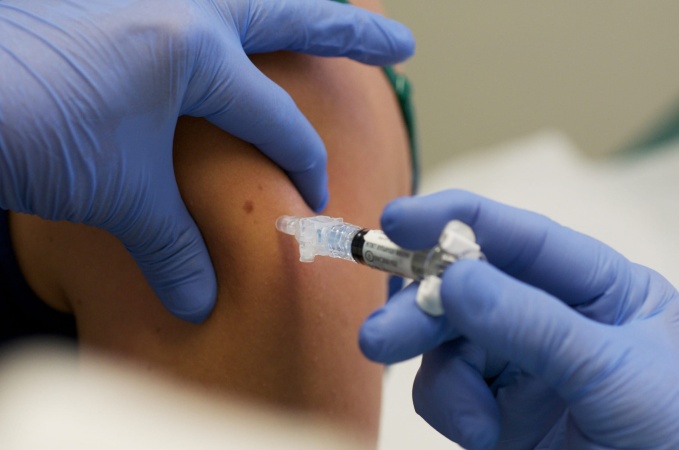
The Nigerian Infectious Diseases Society (NIDS) has warned that Nigeria’s fragile health system remains dangerously exposed to recurring and emerging infectious disease outbreaks, with weak immunisation coverage, donor-dependent financing and poor sub-national preparedness threatening national health security,
The warning came at the end of the 16th Annual General Meeting and Scientific Conference (AGSM) of NIDS held in Kaduna, where experts identified cholera, meningitis, Lassa fever, tuberculosis, HIV, Mpox, diphtheria and antimicrobial resistance as persistent and escalating threats.
A communiqué signed by the new President of NIDS, Dr. Mahmood Muazu Dalhat, said the continued spread of several vaccine-preventable diseases reflected perennial failures in Nigeria’s childhood immunisation programmes, weak outbreak preparedness and suboptimal health system readiness, particularly at sub-national levels.
The conference, themed “Resilient Health Systems in a Changing World: Confronting Emerging and Endemic Infectious Disease Threats in Nigeria,” drew over 100 participants, including infectious disease specialists, public health professionals, policymakers, researchers, development partners and civil society actors from Nigeria, West Africa and beyond.
The experts insisted that Nigeria must urgently strengthen governance, financing and preparedness to withstand current and future disease shocks.
The communique partly reads: “Nigeria cannot build health security on fragile foundations. A resilient health system requires effective governance, sustainable financing, a competent and motivated health workforce, and deliberate investments in prevention, preparedness and response.”
NIDS observed that inadequate infrastructure, critical shortages of skilled health workers and fragmented, donor-driven financing continue to undermine disease control efforts, despite government reforms aimed at human capital development and population health outcomes.
A major highlight of the conference was the strong call for vaccine sovereignty, as stakeholders stressed the urgency of developing an end-to-end domestic vaccine production ecosystem, from research and development to manufacturing and distribution.
“Achieving vaccine self-reliance will require deliberate collaboration among government, academia, industry, regulators and development partners.
“Vaccine development pathways start in academic and research institutions and must be seamlessly linked to industrial innovation and local manufacturing,” the communique further reads.
The experts also acknowledged progress in HIV treatment, particularly the emergence of long-acting antiretroviral therapies, which experts said could significantly improve adherence, reduce stigma and accelerate epidemic control if rapidly approved and equitably deployed.
However, the conference raised serious concern over the growing burden of antimicrobial resistance (AMR), noting that poor implementation of Nigeria’s One-Health AMR National Action Plan is already undermining the treatment of common and life-threatening infections.
Experts further warned that climate change was heightening Nigeria’s vulnerability to vector-borne, water-borne and zoonotic diseases, calling for climate-sensitive disease modelling and stronger intersectoral collaboration.
In its recommendations, NIDS urged increased domestic funding for surveillance, laboratories, outbreak preparedness, health workforce development and decentralized healthcare, while advocating innovative financing models, including public-private partnerships and health security trust funds, to reduce reliance on donors.
The society also called for accelerated regulatory approvals and phased introduction of long-acting antiretroviral therapies, strengthened antimicrobial stewardship, investment in biotechnology and artificial intelligence, and deeper academia-industry partnerships to drive indigenous vaccine research and manufacturing.
NIDS further recommended the strengthening of formal intersectoral coordination frameworks with relevant ministries, departments and agencies to improve information sharing, joint planning and implementation of infectious disease control programmes.
The society expressed appreciation to the Kaduna State Government, partners and participants, reaffirming its commitment to work with the Federal Ministry of Health and sub-national governments “to advance scientific research, strengthen Nigeria’s health security architecture, and promote equitable access to prevention, diagnosis and treatment of infectious diseases.” (Daily Trust)


