
Updating your news feed...
NEWS EXPRESS is Nigeria’s leading online newspaper. Published by Africa’s international award-winning journalist, Mr. Isaac Umunna, NEWS EXPRESS is Nigeria’s first truly professional online daily newspaper. It is published from Lagos, Nigeria’s economic and media hub, and has a provision for occasional special print editions. Thanks to our vast network of sources and dedicated team of professional journalists and contributors spread across Nigeria and overseas, NEWS EXPRESS has become synonymous with newsbreaks and exclusive stories from around the world.






















.webp)
Loading banners
Loading banners...


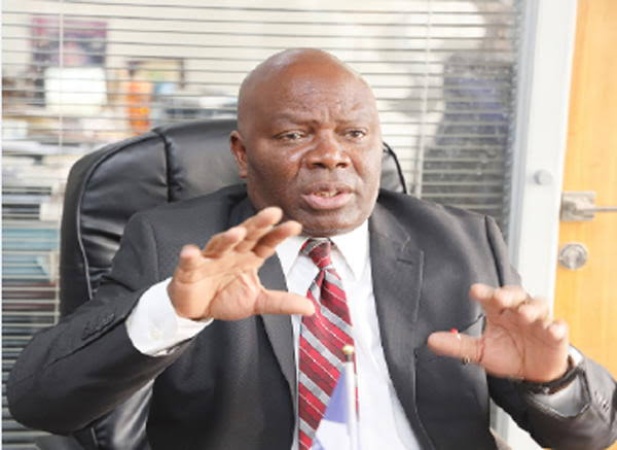
Dr Onaeko Wemimo
As Nigeria enters the peak of its rainy season, leading public health experts are warning of an imminent surge in cholera and other infectious diseases, citing widespread poor sanitation, stagnant water, and inadequate waste disposal as key risk factors.
A public health expert at the University of Ilorin and former national chairman of the Association of Public Health Physicians of Nigeria, Professor Tanimola Akande, said the country?s deteriorating environmental hygiene is setting the stage for outbreaks of cholera, malaria, typhoid, and diarrhoeal diseases.
?Environmental hygiene has not improved significantly in Nigeria, and therefore, outbreaks of cholera are expected to continue,? he said. ?Faecal matter easily washes into water sources during heavy rain, contaminating drinking water and increasing the risk of cholera and typhoid.?
Akande described the rainy season as a double-edged sword, while crucial for agriculture, it exposes communities to severe health risks.
He warned that poor drainage systems, blocked gutters, and indiscriminate dumping of waste create ideal breeding grounds for disease vectors like mosquitoes and houseflies.
Director of Environmental Health Management in Ogun State, Dr Onaeko Wemimo, echoed these concerns, listing malaria, dengue fever, typhoid, and leptospirosis as other major threats.
?Rain encourages the accumulation of stagnant water, a perfect breeding ground for mosquitoes and other vectors,? he said, adding that the rise of dengue fever in Nigeria is linked to climate change and weak vector control measures.
Both physicians stressed that many of these health issues are preventable but persist due to policy gaps, poor sanitation infrastructure, and low public awareness.
They called for urgent action by individuals, communities, and governments to prevent a looming public health crisis
?Unless Nigerians begin to take environmental sanitation more seriously, the health burden from these preventable diseases will keep rising,? Wemimo warned.
He urged residents to eliminate stagnant water around their homes, use insect repellents, fix broken window and door screens, and treat puddles with used engine oil to prevent mosquito breeding.
He also cautioned against eating from unhygienic food vendors, stressing the importance of food and water safety.
Both experts recommended avoiding overcrowded places during the season, wearing properly dried clothing to prevent fungal infections, and boosting immunity with good nutrition and hygiene practices.
They also highlighted the role of government in empowering sanitary inspectors, strengthening waste collection systems, and intensifying public health education through media campaigns, community mobilisation, and partnerships with traditional and religious leaders.
?Rainy season diseases can be brutal, but they are avoidable,? Wemimo said. ?It all starts with awareness and taking responsibility for our health and environment.?
(The Nation)




