Updating your news feed...
NEWS EXPRESS is Nigeria’s leading online newspaper. Published by Africa’s international award-winning journalist, Mr. Isaac Umunna, NEWS EXPRESS is Nigeria’s first truly professional online daily newspaper. It is published from Lagos, Nigeria’s economic and media hub, and has a provision for occasional special print editions. Thanks to our vast network of sources and dedicated team of professional journalists and contributors spread across Nigeria and overseas, NEWS EXPRESS has become synonymous with newsbreaks and exclusive stories from around the world.



Loading banners
Loading banners...


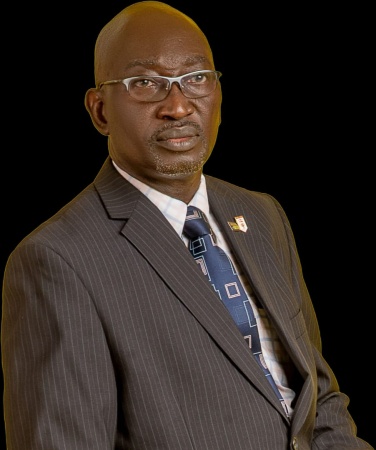
Minister of Power, Saleh Mamman
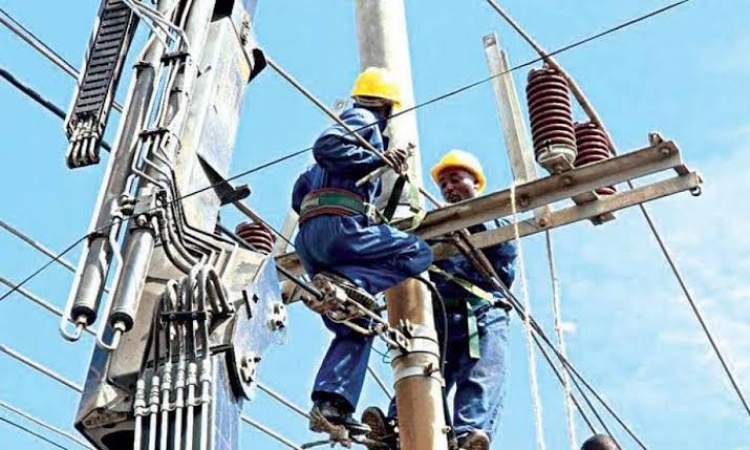
Power producers in Nigeria are owed at least $2.7 billion by a state-owned company that buys their output and resells it, threatening their viability and undermining their ability to invest in the energy-starved nation, according to an industry association.
Only 60% of residents of Africa’s most populous country have access to electricity and even those who do are plagued by regular outages. While President Muhammadu Buhari has made tackling the power deficit a priority, the failure by the state-owned Nigerian Bulk Electricity Trading Co., or NBET, to pay its debts on time is a major hindrance to meeting that goal.
Estimates that the trading company has amassed 1 trillion naira ($2.7 billion) of debt to power producers since 2013 are “extremely conservative,” Joy Ogaji, executive secretary of the Association of Power Generation Companies, said in an interview in the capital, Abuja. “To be frank, I’m afraid for the survival of the industry in the next six months.”
NBET confirmed in a statement on its website that it’s only able to pay producers a portion of what they invoice -- typically 10% to 30% -- due to debt-collection problems of its own. It sells power to closely held distribution companies, which are in arrears, in part because they can only secure payment for about two-thirds of the electricity they supply to end-use consumers.
“My contract is with NBET to put power on the grid and be paid 100% for it,” Ogaji said. “Whether your off-takers are paying you or not, that shouldn’t be my problem.”
An NBET spokeswoman didn’t respond to a request for comment.
The distribution companies complain that the regulator didn’t institute realistic tariffs when the electricity industry was partially privatized in 2013, and that price increases haven’t kept pace with inflation or responded to a deterioration in the exchange rate.
“If you’re underselling the product how can you remit 100%?,” Sunday Oduntan, executive director of the Association of Nigerian Electricity Distributors, said by phone. (Text, excluding headline, courtesy of Bloomberg)