ADAD

Updating your news feed...
NEWS EXPRESS is Nigeria’s leading online newspaper. Published by Africa’s international award-winning journalist, Mr. Isaac Umunna, NEWS EXPRESS is Nigeria’s first truly professional online daily newspaper. It is published from Lagos, Nigeria’s economic and media hub, and has a provision for occasional special print editions. Thanks to our vast network of sources and dedicated team of professional journalists and contributors spread across Nigeria and overseas, NEWS EXPRESS has become synonymous with newsbreaks and exclusive stories from around the world.














.webp)
.webp)

Loading banners
Loading banners...
The Federal Government has unveiled 65 investment-ready projects worth about $78.5 billion to attract Polish investors into Nigeria, with the proposed investments expected to generate 366,000 jobs across key sectors of the economy.
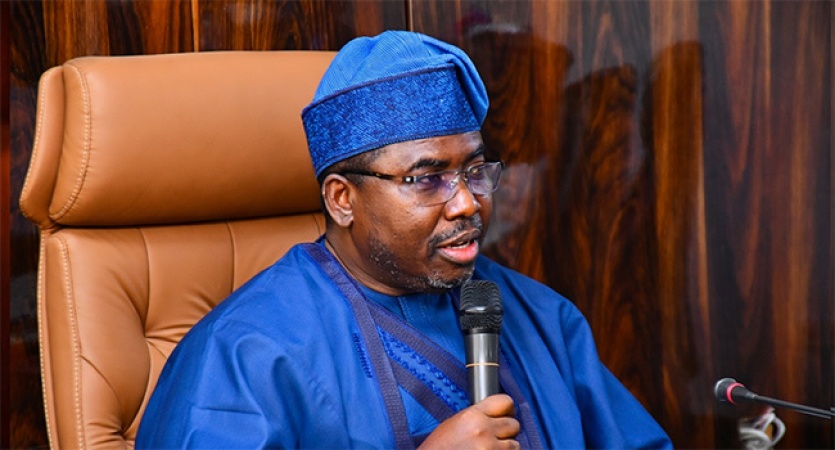
The Minister of Finance and Coordinating Minister of the Economy, Taiwo Oyedele, disclosed this at the Second Polish-Nigerian Economic Forum held at the Lagos Continental Hotel, where he called on Polish investors to move beyond diplomatic relations and commit capital, technology and industrial expertise to Nigeria’s economy.
Oyedele said the projects, developed through the government’s Projects Nigeria deal room facility, cover infrastructure, manufacturing and energy, adding that they have undergone feasibility studies and are structured to attract private-sector funding.
He said the Federal Government was changing its approach to international trade and investment by moving away from dependence on exporting unprocessed raw materials toward partnerships that would establish factories, improve transportation infrastructure, and increase local production.
According to him, Nigeria wants foreign partnerships that deliver tangible economic benefits through industrial development, employment opportunities and increased domestic production.
The minister pointed to the planned modernisation of the Lagos Port Complex at Apapa and Tin Can Island as an example of the kind of investment partnership the government wants to establish with Poland.
He said the port modernisation project, which has received Polish financing support, would show how agreements between the two countries could translate into physical infrastructure and improved economic activity.
Oyedele said Nigeria was particularly interested in working with Polish businesses to expand industrial capacity, improve the country’s infrastructure and create opportunities for local enterprises.
He, however, said trade between the two countries remained relatively small despite their longstanding diplomatic and economic relations.
Figures from the Ministry of Finance showed that Poland exported goods worth approximately $169 million to Nigeria in 2025, while Nigeria’s exports to Poland stood at about $565 million.
More than 90 per cent of Nigeria’s exports to Poland during the period consisted of crude oil, reflecting the country’s continued dependence on unprocessed commodities in its international trade.
Oyedele described the combined trade value of about $734 million as inadequate, given the economic opportunities between Nigeria, Africa’s most populous country, and Poland, whose economy crossed the $1 trillion mark in 2025.
He said the existing trade relationship needed to expand beyond crude oil and raw agricultural products to include manufactured goods, processed agricultural commodities, fertilisers, sesame, industrial machinery, technology and services.
The minister urged Nigerian businesses to take advantage of opportunities in the Polish market by exporting finished products, while also bringing in Polish engineering expertise, machinery and industrial equipment to strengthen local manufacturing.
He said such cooperation would help Nigerian businesses increase their production capacity, improve the quality of locally made goods and compete more effectively in international markets.
Oyedele also called for stronger private-sector participation in the economic relationship, noting that government-to-government engagements should lead to commercial transactions and investments that improve citizens’ living conditions.
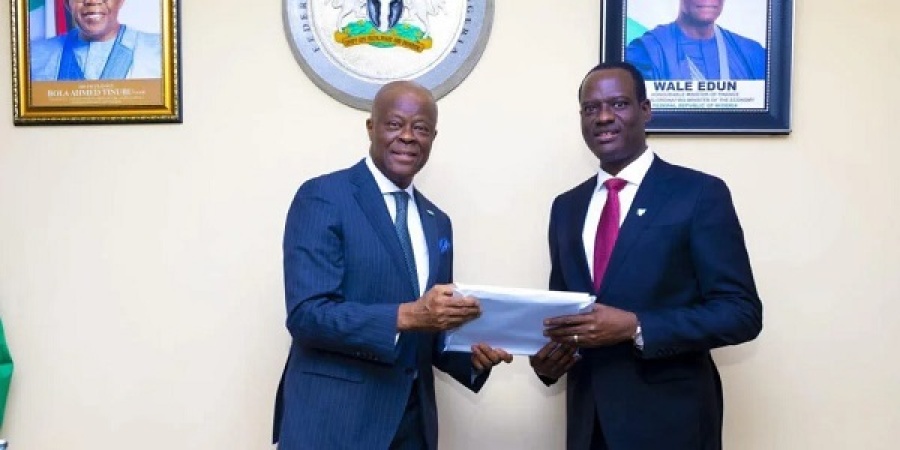
Welcoming Poland’s Minister of Finance, Andrzej Domański, to Nigeria, Oyedele said his presence at the forum reflected Warsaw’s growing recognition of Nigeria as an important economic partner.
He noted that both countries’ finance ministries had important roles in creating an environment where fiscal policies, investment incentives, and development financing could support businesses, generate employment, and improve household incomes.
The minister recalled that economic relations between Nigeria and Poland dated back to 1962, when both countries signed a trade agreement, two years after Nigeria gained independence.
He said that despite the longstanding relationship, trade and investment activities between the two countries had not reached their full potential.
According to him, the relationship was elevated to a Strategic Partnership in 2013, while Poland subsequently established a Foreign Trade Office in Lagos in 2018 to strengthen commercial engagement with Nigerian businesses.
Oyedele said the time had come for both countries to translate these diplomatic and institutional arrangements into stronger industrial and commercial cooperation.
Using the example of Nigerian-born former Polish international footballer Emmanuel Olisadebe, the minister illustrated how partnerships between the two countries could benefit both sides.
He recalled that Olisadebe’s goals helped Poland qualify for the 2002 FIFA World Cup, earning him recognition among Polish football supporters, even as people in his native Warri continued to identify with him.
Oyedele said the footballer’s experience offered a useful illustration of how Nigeria and Poland could develop a mutually beneficial relationship in which both countries shared the gains.
He urged Polish investors to see Nigeria not merely as a market for selling goods but as a strategic partner for manufacturing, technology transfer, and long-term industrial development.
The minister also highlighted Poland’s economic transformation over the past three decades, describing its growth as an example Nigeria could learn from in pursuing its own development ambitions.
He said Poland’s economy grew from approximately $67 billion in 1989 to more than $1 trillion in 2025, demonstrating what sustained economic reforms and structural transformation can achieve.
Oyedele said Nigeria could draw useful lessons from Poland’s experience as the Federal Government pursues reforms to strengthen domestic production, attract investment and expand economic opportunities.
He maintained that the proposed investment partnership offered both countries an opportunity to move their relationship beyond diplomatic engagements and establish a stronger foundation for trade, industrial development and job creation. )The Nation)