ADAD

Updating your news feed...
NEWS EXPRESS is Nigeria’s leading online newspaper. Published by Africa’s international award-winning journalist, Mr. Isaac Umunna, NEWS EXPRESS is Nigeria’s first truly professional online daily newspaper. It is published from Lagos, Nigeria’s economic and media hub, and has a provision for occasional special print editions. Thanks to our vast network of sources and dedicated team of professional journalists and contributors spread across Nigeria and overseas, NEWS EXPRESS has become synonymous with newsbreaks and exclusive stories from around the world.

























By LILIAN U. OKORO
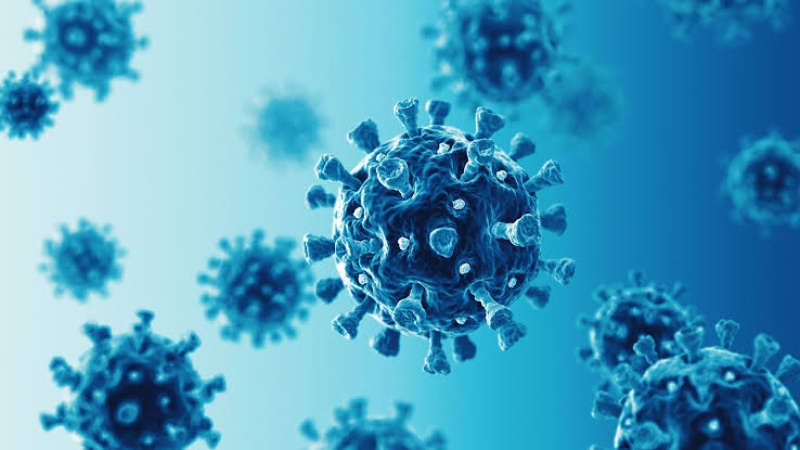
The Academy of Medical Sciences has urged Nigerians to remain vigilant against a new COVID-19 variant, PJ.2.1, reported in several countries.
The Academy gave the advice ahead of the festive season in a statement issued on Monday in Lagos.
He cautioned against panic while encouraging preventive measures, particularly during travels and large gatherings.
The statement as jointly signed by Prof. Boaz Adegboro, Chairman, Rapid Response Committee, and Prof. Joseph Ahaneku, President of the Academy of Medical Sciences.
It said the World Health Organisation (WHO) had classified PJ.2.1 as a Variant Under Monitoring, with the additional global public health risk currently rated low.
“The academy’s message to Nigerians is: ‘Do not panic, but be vigilant’, particularly in the coming festive season of travel, homecomings and large gatherings,” it said.
According to the statement, the variant was first detected in Ontario, Canada, on May 2, and has since been reported in several countries, including the United States, Spain, France, Israel, Singapore and Australia.
It said laboratory studies suggested that PJ.2.1 could spread more efficiently, although there was currently no evidence that it caused more severe illness than other circulating Omicron subvariants.
“Present evidence suggests it spreads efficiently, but there is no evidence that it causes more severe illness, and current vaccines appear to remain effective,” the academy said.
The academy said preliminary studies also indicated that existing vaccines remained effective against the variant, with antibodies from updated COVID-19 vaccines capable of neutralising it.
It listed symptoms to include sore throat, fever, cough, runny or blocked nose, fatigue, headache, muscle aches and chills, noting that testing was required to distinguish it from other respiratory infections.
The academy said there had been no public report of PJ.2.1 in Nigeria, although the Nigeria Centre for Disease Control and Prevention (NCDC) continued routine COVID-19 surveillance.
It, however, cautioned that limited genomic sequencing across Africa meant the absence of reported cases did not necessarily indicate that the variant was not present.
“This is because genomic sequencing in Africa is limited, absence of reports should not be taken as absence of the variant,” it said.
The academy advised Nigerians with respiratory symptoms to stay home, seek testing, practise hand hygiene, wear masks in crowded indoor spaces and ensure adequate ventilation.
It also urged travellers returning from countries reporting the variant to monitor their health for 10 days and seek testing promptly if symptoms developed.
The statement advised people aged 60 and above, pregnant women and individuals with underlying conditions or weakened immunity to take extra precautions and seek medical attention early.
It urged organisers of weddings, funerals, religious gatherings and end-of-year celebrations to prioritise open-air or well-ventilated venues and discourage symptomatic persons from attending.
The academy called on government and health authorities to intensify genomic surveillance, strengthen testing, ensure availability of vaccines and medicines, and provide timely public information to counter misinformation.
It said that the current evidence suggested that PJ.2.1 was more transmissible but not more dangerous, adding that existing preventive measures, vaccination and timely treatment remained effective. (NAN)