ADAD

Updating your news feed...
NEWS EXPRESS is Nigeria’s leading online newspaper. Published by Africa’s international award-winning journalist, Mr. Isaac Umunna, NEWS EXPRESS is Nigeria’s first truly professional online daily newspaper. It is published from Lagos, Nigeria’s economic and media hub, and has a provision for occasional special print editions. Thanks to our vast network of sources and dedicated team of professional journalists and contributors spread across Nigeria and overseas, NEWS EXPRESS has become synonymous with newsbreaks and exclusive stories from around the world.











Loading banners
Loading banners...

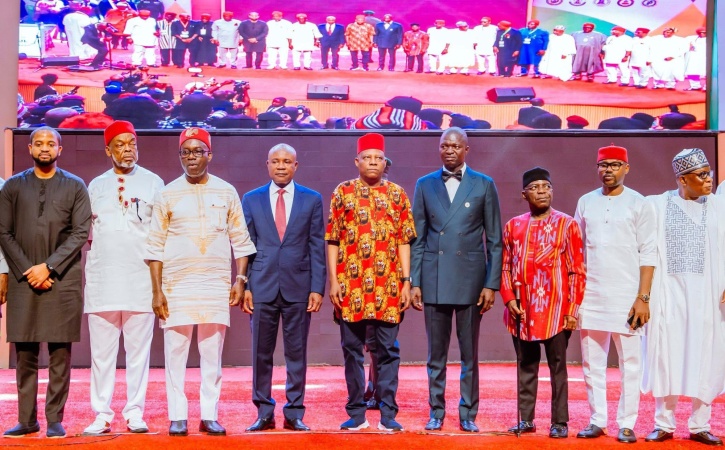
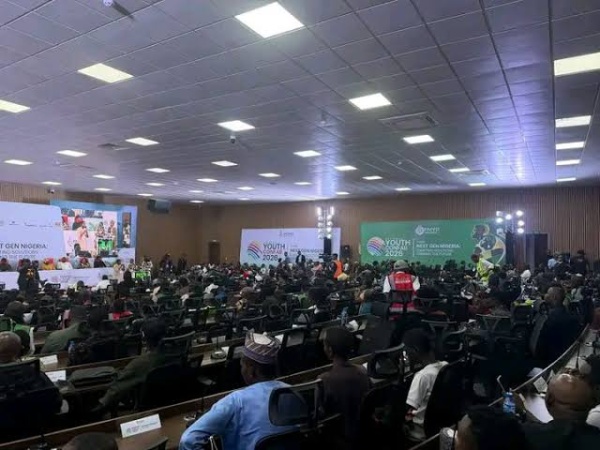
Cross section of participants at the 2026 National Youth Conference held in Abuja
By FRANCA OFILI
Faced with rising unemployment, economic strain, and ongoing insecurity, young Nigerians are no longer waiting for the government to fulfill its promises.
Today, a restless generation is demanding a seat at the table: a nation where their voices carry weight, their ambitions are backed by real opportunities, and their choices directly shape the future.
This urgent demand anchored the 2026 National Youth Conference in Abuja, which brought together 360 delegates from across Nigeria’s six geopolitical zones and the diaspora to chart a new course for governance, national development, and youth empowerment.
The virtual phase, which commenced on Oct. 2, involved consultations with young people across the six geopolitical zones, generating proposals on leadership, governance, employment, education, skills development, technology, climate change, peace, security and national unity.
This was followed by a six-day physical engagement in Abuja involving 360 delegates, who examined the proposals and developed recommendations for consideration by the government.
For the delegates, the conference represented more than another government-sponsored gathering.
It was an opportunity to demand greater representation in political leadership, affordable access to political participation, women’s inclusion, disability rights and protection from electoral exploitation.
Their expectations reflected a growing concern that although young people constitute a significant proportion of Nigeria’s population, their presence in critical decision-making positions remains limited.
Ms Longe Olasubomi, representing the South-South, advocated for 30 per cent representation for young people in politics and governance, saying their participation would enable them to influence policies and decisions affecting their lives.
“Youth inclusion should go beyond consultations and discussions to actual positions of responsibility where young Nigerians could contribute directly to national development,’’ she argued.
Similarly, Ms Morrine Emizibo, also representing the South-South, highlighted the need to address the limited participation of women in politics.
She called on political stakeholders to create an enabling environment for women to contest elections and occupy leadership positions, stressing that women should have equal opportunities to contribute to governance.
Mr Kehinde Oyinlola, representing the South-West, called for measures to make nomination forms and other political requirements more affordable and accessible to young Nigerians.
“Conference will only achieve its purpose if the recommendations are translated into practical measures addressing the challenges confronting young people,” he said.
According to him, the success of the gathering should be determined by what the government does after the delegates have returned to their respective states.
For persons with disabilities, the demand was for a governance system that guarantees equal opportunities and recognises their contributions.
Mr Uchechukwu Okolo, representing the South-East, called for the inclusion of persons with disabilities in decision-making processes, stressing that no group should be excluded from contributing to national development.
He maintained that an inclusive society must accommodate people from different backgrounds and abilities, particularly in decisions that affect their welfare and opportunities.
Another issue raised was the exploitation of young Nigerians during elections.
Mr Gambo Abdullahi, representing the North-West, urged political leaders to discourage the use of youths as instruments of electoral violence.
He called for responsible political participation, saying young Nigerians should be encouraged to participate meaningfully in democratic processes rather than being mobilised to advance the interests of political actors.
The Minister of Youth Development, Mr Ayodele Olawande, said the physical engagement was designed to transform discussions from the virtual consultations into actionable recommendations capable of guiding government policies and programmes.
He urged delegates to develop clear, practical and achievable action plans for presentation to President Bola Tinubu and other government leaders.
Olawande disclosed that the conference produced a comprehensive 18-point action agenda covering six priority areas.
He said the recommendations would be pursued through relevant executive, legislative and judicial channels, with the Ministry working alongside stakeholders to ensure that the proposals received the necessary institutional attention.
“For the first time in the history of this country, the youth can feel the government, see the government, and touch the government.’’
The minister said the priority was to ensure that the ideas generated translated into policies, programmes and opportunities that would directly benefit young Nigerians.
“Among the additional recommendations, delegates called for stronger forest protection and restoration through afforestation and reforestation programmes.
“Under Pillar Six, Social Cohesion and Security, they advocated the effective utilisation of Nigeria’s natural resources to create jobs and strengthen small and medium-scale enterprises through national and local manufacturing refineries,” he said.
The Permanent Secretary of the Ministry, Dr Maryam Keshinro, described the conference as an opportunity for young Nigerians to express their aspirations, identify challenges and contribute ideas towards a responsive national youth development agenda.
She noted that more than 60 per cent of Nigeria’s population was below 30 years, describing young people as critical contributors to national development.
Keshinro urged delegates to produce practical recommendations, stronger partnerships and measurable commitments that would promote inclusion, national unity, accountability and participation in governance.
For the United Nations Population Fund (UNFPA), meaningful youth participation is central to building an inclusive and prosperous society
The UNFPA Deputy Representative in Nigeria, Muriel Mafico, urged Nigerian leaders to prioritise young people’s concerns and involve them in decisions affecting their lives.
She said feedback from a recent UNFPA survey identified unemployment, rising cost of living, poverty, education, skills development and mental health among the major concerns of young Nigerians.
More so, Sen. Yemi Adaramodu, the Chairman of the Senate Committee on Youth Development and Community Engagement, represented by the committee’s Clerk, Dr Ijeoma Chikwem, called for stronger collaboration among the government, the private sector and other stakeholders to create opportunities for young people.
The Managing Director of the Niger Delta Development Commission (NDDC), Dr Samuel Ogbuku, also encouraged delegates to embrace national unity, mutual understanding and collaboration across ethnic and regional divides.
He described the conference as an opportunity for young Nigerians to demonstrate their readiness for leadership by developing practical solutions to national challenges.
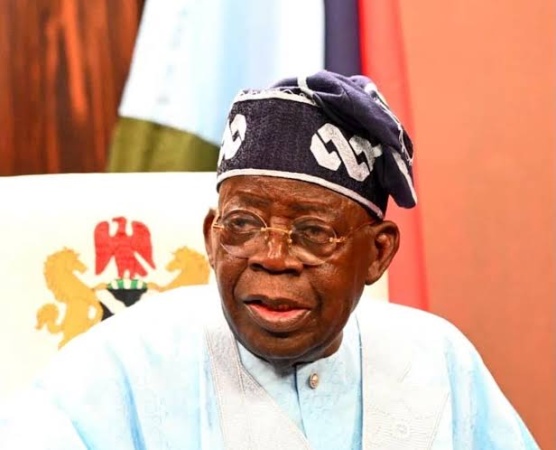
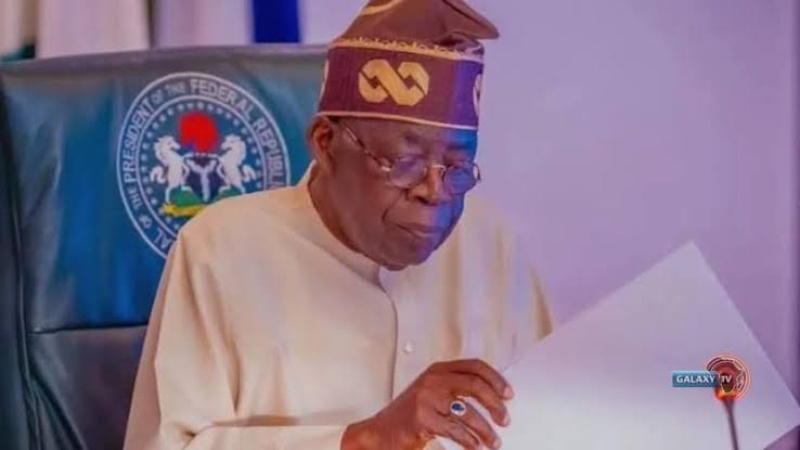
At the closing, Tinubu gave a clear indication that his administration expected the conference recommendations to move beyond paper commitments.
Represented by the Speaker of the House of Representatives, Abbas Tajudeen, the president directed the Federal Ministry of Youth Development to immediately begin translating the outcomes into concrete government actions.
He directed Olawande to work with relevant ministries, departments and agencies, state governments, the private sector and development partners to develop an implementation framework.
The framework, he said, must contain clear priorities, assigned responsibilities, realistic timelines and measurable indicators of progress.
More significantly, Tinubu insisted that young Nigerians must participate actively in implementing and monitoring the decisions reached at the conference.
“The real test of this Conference begins after today. I do not want the recommendations of this conference to become another report gathering dust on government shelves.
“I want them to become a guide for action; you must not be invited to the table only when decisions are being discussed. You must also have a place at the table when those decisions are being implemented,” he said.
Tinubu highlighted initiatives such as the Nigerian Education Loan Fund, the Three Million Technical Talent programme, YouthCred and the Nigerian Youth Academy.
He stressed the importance of ensuring that skills acquisition translated into employment, innovation attracted investment and young entrepreneurs gained better access to finance.
For participants, the demands are clear: greater representation in governance, affordable political participation, women’s inclusion, and equal opportunities for persons with disabilities, economic empowerment and protection from electoral violence.
The president’s directive on timelines, responsibilities and measurable outcomes provides an opportunity to move the recommendations towards implementation.
However, the effectiveness of the process will depend on sustained government commitment, institutional collaboration and the involvement of young people themselves.
The challenge will be ensuring that the 18-point action agenda does not become another collection of recommendations without clear accountability for delivery.
The true success of the 2026 National Youth Conference will not be measured by attendance, speeches, or resolutions. Instead, it depends on real outcomes: expanding jobs and entrepreneurship, ensuring meaningful representation for women and persons with disabilities, and bringing youth into active governance.
Observers say today’s young Nigerians no longer want merely a seat at the conference table; they want a voice in shaping Nigeria’s future. (NAN)