ADAD

Updating your news feed...
NEWS EXPRESS is Nigeria’s leading online newspaper. Published by Africa’s international award-winning journalist, Mr. Isaac Umunna, NEWS EXPRESS is Nigeria’s first truly professional online daily newspaper. It is published from Lagos, Nigeria’s economic and media hub, and has a provision for occasional special print editions. Thanks to our vast network of sources and dedicated team of professional journalists and contributors spread across Nigeria and overseas, NEWS EXPRESS has become synonymous with newsbreaks and exclusive stories from around the world.












Loading banners
Loading banners...

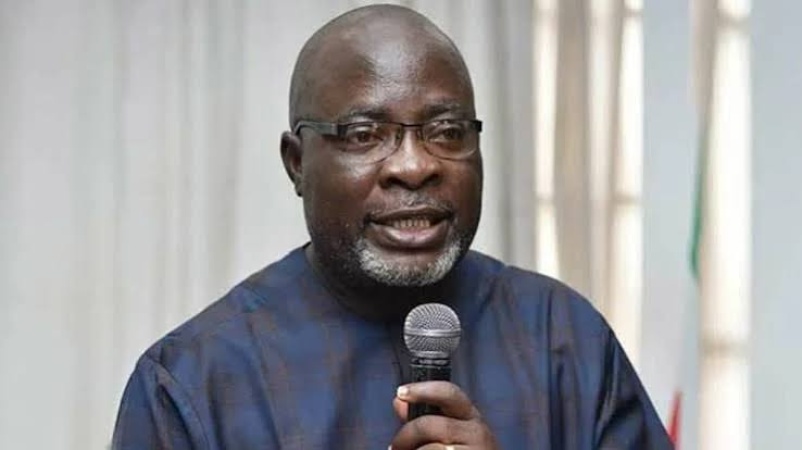
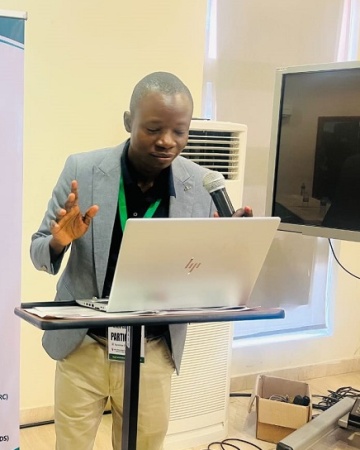
Dr Oluwaseun Kugbayi
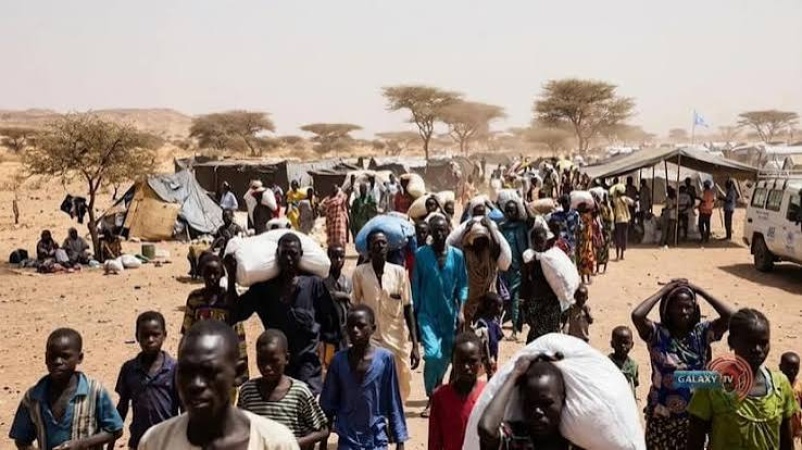
A University of Ibadan researcher, Dr Oluwaseun Kugbayi, has warned that insecurity, displacement, and barriers to voter registration could prevent residents of conflict-affected communities in Borno State from participating in the 2027 general elections, arguing that they often prioritise survival over voting.
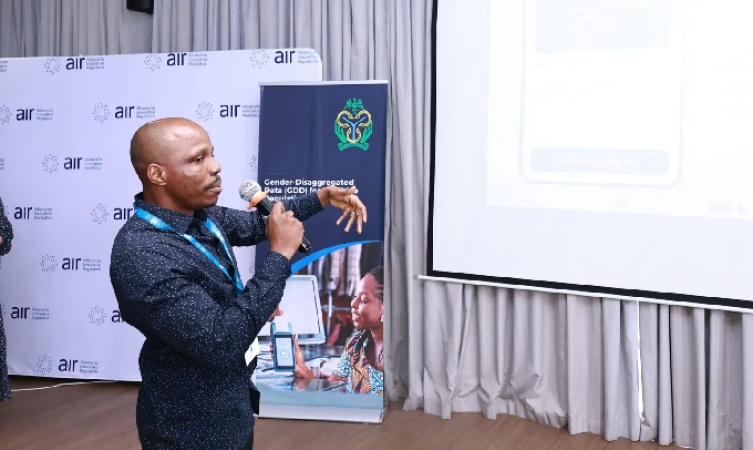
Dr Kugbayi, of the Department of Political Science, made this known while presenting a paper titled Peace Comes First, Then the Ballot: Humanitarian Crises and Electoral Participation in Nigeria at the African Universities Seminar Series–Nigeria 2026 Conference, held recently at the University of Lagos.
Kugbayi said, “The central argument of the study paper is that in conflict-affected settings, peace is a prerequisite for civic engagement.
Kugbayi said elections were often viewed with fear in communities affected by violence, rather than as opportunities for citizens to choose their leaders.
“Elections are widely viewed as flashpoints for heightened tension rather than democratic opportunities,” he said.
He explained that residents often associated election periods with threats from insurgents, political thugs and security forces, making participation a potential risk to their lives.
“Many citizens explicitly prioritise ‘peace before the ballot,’ calculating that risking one’s life for politics is irrational when survival is at stake,” he said.
The peacebuilding researcher also identified the loss of voter cards during displacement as a major barrier, saying some internally displaced persons and returnees lost their documents while fleeing violence.
“Many internally displaced persons and returnees lost their voter cards while fleeing violence, effectively stripping them of their ability to vote,” Kugbayi said.
He added that displacement could also leave voters unable to reach their original polling units, even when they managed to retain their voter cards.
“Without functional mechanisms to transfer registration, these physical cards become useless symbols of a political voice that can no longer be exercised,” he said.
The public policy scholar further identified distrust of electoral institutions as a factor discouraging participation, noting that some displaced residents believed their needs were being neglected.
“Vulnerable populations also question the relevance of elections, noting that past participation has not yielded tangible improvements in their living conditions,” he said.
To address the challenges, the democratic studies scholar called for safer conditions before elections and more accessible voting arrangements for displaced persons, including mobile voter registration and decentralised polling stations.
“Policymakers must rethink the sequencing of elections and security, ensuring that stable environments are established before the ballot is introduced,” Kugbayi said. (The Nation)