Updating your news feed...
NEWS EXPRESS is Nigeria’s leading online newspaper. Published by Africa’s international award-winning journalist, Mr. Isaac Umunna, NEWS EXPRESS is Nigeria’s first truly professional online daily newspaper. It is published from Lagos, Nigeria’s economic and media hub, and has a provision for occasional special print editions. Thanks to our vast network of sources and dedicated team of professional journalists and contributors spread across Nigeria and overseas, NEWS EXPRESS has become synonymous with newsbreaks and exclusive stories from around the world.




.webp)

.webp)






Loading banners
Loading banners...

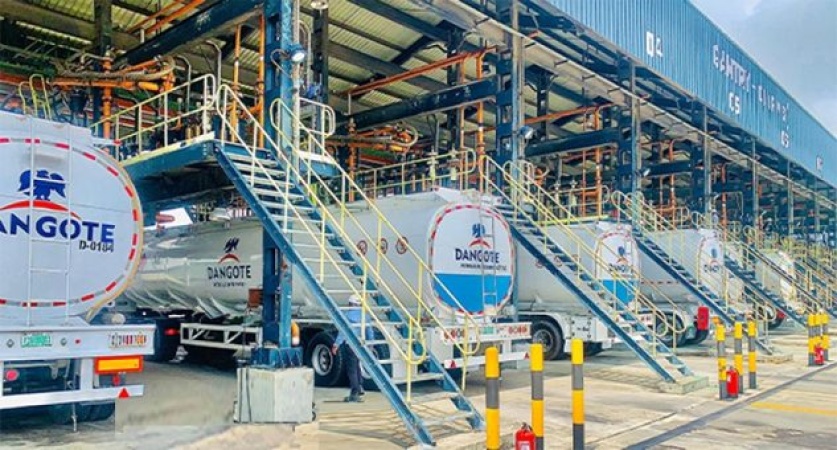
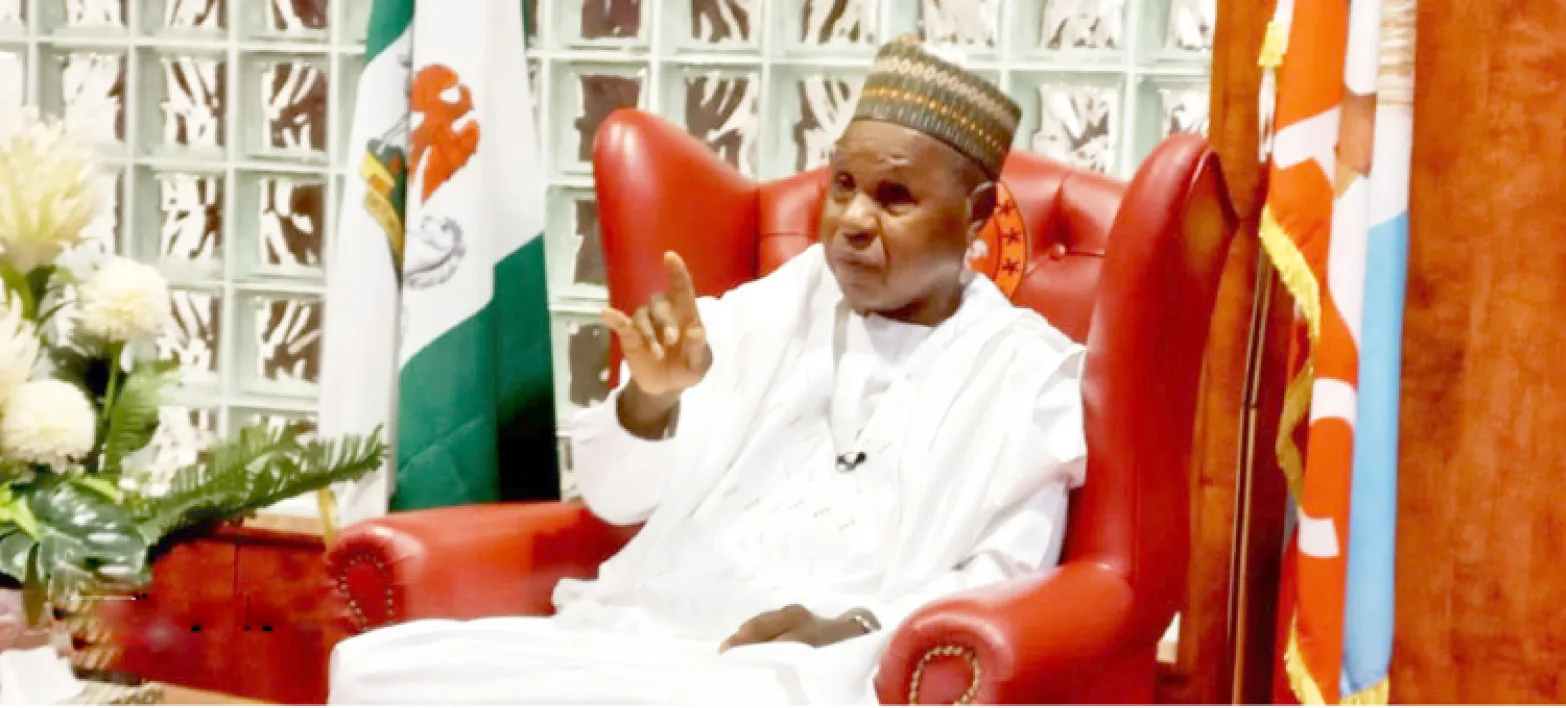
The Minister of State for Petroleum Resources (Oil), Heineken Lokpobiri, has said the Dangote Refinery would not have survived without deregulation if the Federal Government had continued importing petrol and selling it below the market price.
Lokpobiri made the statement while speaking on Politics Today, where he defended the government’s deregulation of the downstream petroleum sector.
He said the policy had created room for private investment in Nigeria’s oil and gas industry, particularly in the midstream and downstream sectors.
“But for the policy of deregulation, Dangote Refinery wouldn’t have been the most attractive IPO in the continent. If government was continuously importing, as NNPC was doing, and selling at a lower price than the market price, Dangote wouldn’t have been able to survive.”
According to the minister, deregulation was designed to allow private-sector businesses to thrive in the oil and gas industry.
“Deregulation all over the world is to enable private sector businesses to thrive and all the businesses that are associated with the oil and gas sector.”
Lokpobiri also argued that the presence of the Dangote Refinery did not automatically mean petrol prices would become cheaper in Nigeria.
“As at today, the records available show that USA is the highest producer of oil and gas in the world. The United States is the highest producer of oil and gas in the entire world. They also have the highest refining capacity, but the fuel price per liter is higher than that of Nigeria.
“So despite the fact that Dangote Refinery is here, that doesn’t mean that the fuel price will be lower because Dangote Refinery is available. But what is important is that the regulation has also created a new economy.”
The minister said petrol remained cheaper in Nigeria than in some other countries despite the removal of subsidy.
“In the US, the average, you know, liter of fuel is N1,633. In Nigeria, it’s on the average of N1,430. If you go to Cameroon, it’s N1,959. If you go to Ghana, it’s N2,070. If you go to South Africa, it’s N2,070. So Nigeria’s average cost of fuel per litre is still lower than,” he said.
Lokpobiri also defended the removal of petrol subsidy, saying the savings were now being distributed to the three tiers of government through the Federation Account Allocation Committee.
“These days we get 2.1 trillion being shared. This is the first time it is happening. You’ll recall that before this government came, about 27 states had no capacity to pay even salaries. Today, states are doing gigantic projects. It’s because of the savings that we made from this subsidy.”
He maintained that the government would not reverse the deregulation policy despite concerns over the impact of high energy prices on consumers.
Lokpobiri said the effect of energy prices was not peculiar to Nigeria, noting that oil and gas was traded as a global commodity.
“Oil and gas is a global commodity. What is sold in New York is what is also sold here. So, no matter what you may think, America, or Saudi Arabia, or anywhere in the world, energy prices will always be the same.”
The minister also cited developments in the oil and gas sector, including the Dangote Refinery’s supply of aviation fuel, as part of the changes following deregulation.
He further said the Central Bank of Nigeria had recently stated that 85 per cent of Nigeria’s foreign reserves came from the oil and gas sector.