Updating your news feed...
NEWS EXPRESS is Nigeria’s leading online newspaper. Published by Africa’s international award-winning journalist, Mr. Isaac Umunna, NEWS EXPRESS is Nigeria’s first truly professional online daily newspaper. It is published from Lagos, Nigeria’s economic and media hub, and has a provision for occasional special print editions. Thanks to our vast network of sources and dedicated team of professional journalists and contributors spread across Nigeria and overseas, NEWS EXPRESS has become synonymous with newsbreaks and exclusive stories from around the world.




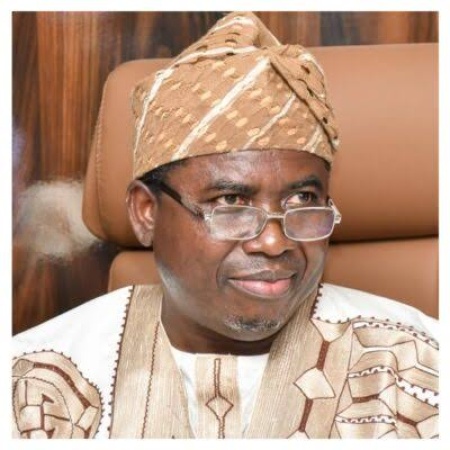
INEC Chairman, Prof Joash Amupitan
The Human Rights Writers Association of Nigeria (HURIWA) has cautioned the Independent National Electoral Commission (INEC) against relying principally on workshops, training programmes and internal administrative reforms to address the growing crisis of public confidence in Nigeria’s electoral process ahead of the 2027 general elections.
HURIWA said while the strengthening of INEC’s operational machinery was necessary, the commission must not confuse internal administrative preparedness with public confidence.
The association described the situation as “running around the same house” if INEC continues to focus heavily on workshops and bureaucratic reforms without introducing concrete, people-centred measures capable of winning back the hearts and minds of Nigerian voters.
HURIWA’s position followed INEC Chairman, Prof. Joash Amupitan’s announcement that the commission had commenced measures to strengthen its operational machinery ahead of the 2027 elections.
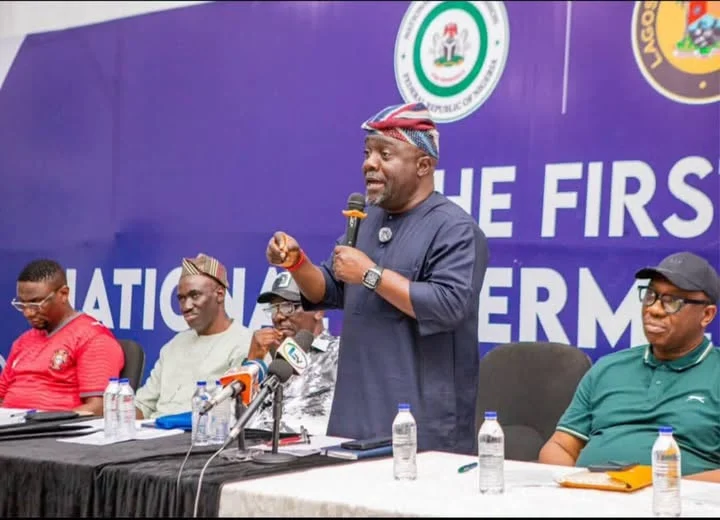
Amupitan, while opening a two-day Strategic Operational Workshop for INEC Administrative Secretaries in Lagos, said INEC had entered the critical six-month preparation window for the 2027 elections and could no longer afford administrative ambiguity or inconsistent operational practices.
HURIWA said the commission’s concerns about voter apathy, declining public trust and misinformation were legitimate, but warned that these problems could not be solved from the confines of workshops and conference rooms.
“INEC must come down from the conference rooms and meet Nigerians where they are. Workshops are good, training is necessary, but neither can substitute for direct engagement with the electorate.
“The critical question is: what concrete, people-facing programmes has INEC put in place to win the confidence and trust of Nigerians ahead of 2027?”
HURIWA said Nigerians require more than assurances that INEC officials are being trained. They need visible evidence that the electoral system is becoming more transparent, accessible, accountable and responsive.
The association expressed particular concern about Nigerians who may have been unable to register, update their voter information or resolve registration-related challenges during the recent Continuous Voter Registration exercise.
HURIWA said INEC must provide Nigerians with a clear explanation of how eligible citizens who were unable to complete registration or update their records would be accommodated within the legal framework before the 2027 elections.
The association noted INEC’s disclosure that 10,772,421 new registrants were captured during the three phases of the CVR exercise conducted between August 2025 and July 2026, but stressed that the figure should not conceal the number of eligible Nigerians who may have been excluded by logistical, technological, geographical or awareness-related challenges.
HURIWA therefore calls on INEC to publish a comprehensive post-CVR report detailing the number of applications received, successful registrations, rejected applications, pending cases and registration challenges across the states and the Federal Capital Territory.
The association also demands a structured and continuous engagement framework between INEC and credible civil society organisations, professional associations, youth and women organisations, disability-rights groups, community-based organisations, traditional institutions, religious leaders and other stakeholders with proven records of promoting electoral accountability.
HURIWA insists that such engagements must not be reduced to occasional stakeholder meetings in Abuja. INEC should take the consultations to the six geopolitical zones and, more importantly, to communities and local government areas where voters can directly raise concerns about the electoral process.
The association further calls on INEC to establish a transparent Electoral Complaints and Response Mechanism through which voters and stakeholders can lodge complaints, receive acknowledgement and track the progress of their complaints.
INEC should also publish periodic reports showing the nature of complaints received, actions taken and unresolved issues, subject to applicable privacy and legal requirements.
HURIWA calls for an aggressive, sustained and nationwide voter-education campaign months before the elections rather than the traditional last-minute mobilisation.
Such campaigns should explain in simple language how Nigerians can register, verify their voter information, locate their polling units, vote correctly, report electoral violations and understand the various stages of the electoral process.
The association further urges INEC to make its electoral technologies and critical procedures more transparent by organising public demonstrations and structured engagements with credible independent observers before election day.
HURIWA believes that Nigerians should be allowed to understand how the technologies that will determine critical aspects of the election work, while legitimate concerns should be addressed openly rather than dismissed.
The association also calls for regular public briefings on INEC’s state of preparedness, including logistics, recruitment and training of ad hoc personnel, technology readiness, polling-unit accessibility, results management and contingency arrangements for areas affected by insecurity or network challenges.
HURIWA maintains that electoral transparency must begin long before election day.
The association therefore urges Prof. Amupitan and the INEC leadership to make public confidence a central and measurable objective of the commission’s preparations for 2027.
The lessons from recent off-cycle elections, including the Osun governorship election, must translate into practical improvements that voters can see and experience.
HURIWA cautions that the success of the 2027 elections will not be measured by the number of workshops INEC organises or the number of officials it trains. It will be measured by whether Nigerians have enough confidence in the system to come out, vote and believe that their votes will be protected, counted accurately and respected.
INEC has correctly identified voter apathy, declining public trust and misinformation as threats to the 2027 elections. The commission must now confront those threats by taking its confidence-building efforts directly to the Nigerian people.
INEC must move beyond telling Nigerians that it is ready for 2027. It must show Nigerians why they should trust the process.