ADAD
ADAD
Updating your news feed...
NEWS EXPRESS is Nigeria’s leading online newspaper. Published by Africa’s international award-winning journalist, Mr. Isaac Umunna, NEWS EXPRESS is Nigeria’s first truly professional online daily newspaper. It is published from Lagos, Nigeria’s economic and media hub, and has a provision for occasional special print editions. Thanks to our vast network of sources and dedicated team of professional journalists and contributors spread across Nigeria and overseas, NEWS EXPRESS has become synonymous with newsbreaks and exclusive stories from around the world.





Loading banners
Loading banners...

The Federal Government of Nigeria and its agencies under the environmental sector have been urged to find permanent solutions to end the environmental crises being experienced in the oil-producing communities in the Niger Delta region.
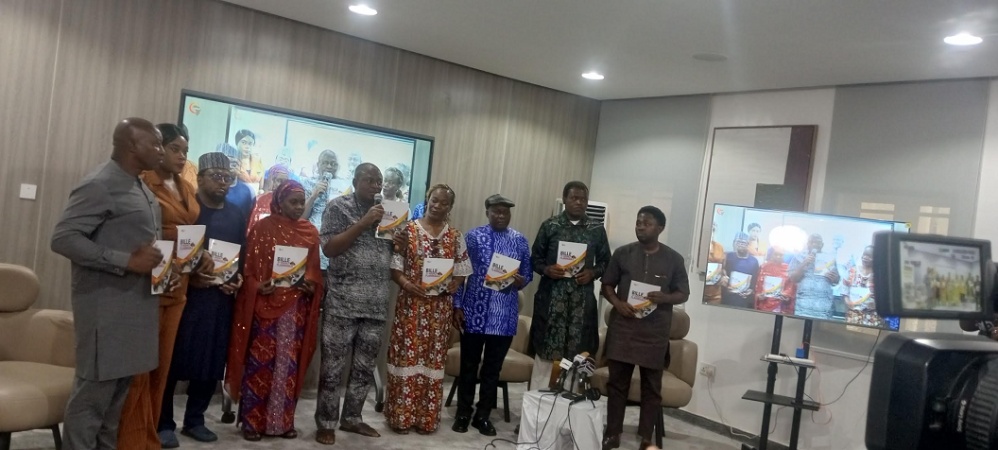
The Executive Director of CAPPA, Mr Akinbode Oluwafemi, who made the call in Abuja on Wednesday during a documentary presentation, “Bille Is Highly Flammable”, highlighted that investigations have shown that oil leakages, if not checked, could end the lives of indigent people in Bille communities of Degema Local Government, Rivers State, as a result of exploration.
Akinbode said: “What you are about to see is the devastation confronting Bille, an island community in Degema Local Government Area of Rivers State.
For generations, Bille’s creeks, waterways, mangroves, and wetlands have sustained its people through fishing and other livelihoods. Today, that way of life is under serious threat.
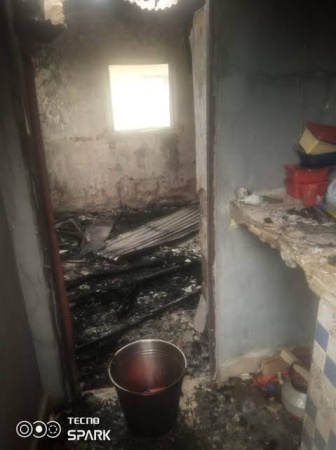
CAPPA Director indicated that a recent discovery shows that since October 2025, residents have reported gas bubbling from their wells, compounds, creeks, mangrove swamps, and even school grounds. They have reported polluted air, contaminated groundwater, fires, and disruptions to children’s education. Furthermore, he highlighted that families that have depended for generations on the creeks for fishing and other livelihoods are finding it increasingly difficult to survive.
“During our field visit to Bille on July 6, 2026, women showed us rashes on their arms and bodies and described persistent itching and other serious health complaints. Residents also spoke about respiratory problems, vomiting, and other illnesses that health authorities have associated with the gas emissions.
But perhaps the most disturbing part was the fear. Imagine having to think twice before cooking or performing domestic activities in your own home because you do not know whether an invisible gas accumulating around you could ignite. That is the grim reality families in Bille now face.
“One of the most striking sights we encountered was a vessel at the waterfront loaded with bags of sachet water, reportedly one of the few forms of relief provided since the crisis began. Yet this supply is grossly inadequate for a community of thousands. Bille is surrounded by water, but its people cannot safely drink it. Households now depend heavily on sachet water for drinking, cooking, bathing, and other domestic needs.
A bag sells for as much as N1,000, while some families require up to 10 bags a day, an impossible burden for many residents.
He explained that the documentary recalled the immortal words of the great Abami Eda, Fela Anikulapo-Kuti: “Water, e no get enemy!” Yet in Bille, the water that once sustained the community has become a source of fear.
“This is the public health and environmental emergency that “Bille Is Highly Flammable” brings before us today.
Sadly, Bille is not an isolated story. Across Nigeria’s oil-producing regions, communities have for decades raised concerns about pollution, environmental degradation, loss of livelihoods and inadequate responses to environmental emergencies”.
Akinbode observed that, too often, however, the voices that dominate the public conversation are those of governments, regulators and corporations, but with this documentary, CAPPA wants the people of Bille to speak for themselves and for Nigerians to understand what is at stake.
“Our documentary draws on field investigations, community testimonies and available regulatory findings. We are not presenting it simply as a story of suffering, but also as a call for answers and action.
“We understand that teams from the National Oil Spill Detection and Response Agency (NOSDRA), the Nigerian Upstream Petroleum Regulatory Commission (NUPRC), the Federal Ministry of Environment and the Federal Ministry of Petroleum Resources have inspected affected locations and collected soil, water and gas samples. “Their investigations have reportedly confirmed elevated concentrations of methane, hydrogen sulphide and carbon dioxide in the affected areas. The authorities have also confirmed groundwater contamination, deteriorating air quality and associated health risks.
Government and other actors have also provided emergency assistance, including sachet water that the residents say is not enough, and a fire truck. The fire truck needs special mention. It was donated by NNPC Ltd but is locked and unused. CAPPA found no trained operator or emergency crew assigned to the truck. Even if it is made operational, the vehicle would struggle to reach many affected locations because much of the settlement is accessible only through narrow pedestrian paths between houses.
Government temporary interventions are important, but emergency relief cannot, by itself, restore contaminated water sources, damaged ecosystems, disrupted education or lost livelihoods.
More importantly, temporary interventions do not answer the fundamental questions of what is causing these emissions. Where are they coming from? How can they be permanently stopped? And what is being done to protect the people while these questions are being answered?
Bille deserves answers. That is why CAPPA is using this documentary not only to document the crisis, but also to stimulate action.
We are calling for a transparent and coordinated response involving relevant government institutions, regulators, operators, independent experts and, most importantly, the people of Bille themselves.
The people whose lives are affected must not be spectators in decisions about their own future. They must be at the centre of the investigation, the response and the solution.
Government agencies should publicly release the results of tests already conducted and clearly explain the risks and necessary precautions to residents.
NUPRC should also undertake a comprehensive audit of oil and gas infrastructure in Bille, including active, ageing, idle and abandoned facilities, and ensure that unsafe infrastructure is repaired, isolated or decommissioned.
The government must provide continuous access to safe water, free medical screening and treatment, health surveillance and safe temporary learning facilities for affected schools. A properly coordinated emergency-response system, evacuation plan and trained local responders are also urgently required.
Affected households must also receive timely compensation and livelihood support, including assistance to restore fishing and other livelihoods damaged by the crisis.
And there must be a clear, binding action plan assigning responsibilities, deadlines, funding and reporting obligations to every relevant agency and operator.
The people of Bille should not continue to bear the cost of an emergency they did not create.
While appealing to the media and other stakeholders to do more in publicity and advocacy, he encouraged them to look beyond the immediate spectacle of bubbling gas and flooded communities and ask the difficult questions.
“Track government commitments, and, most importantly, keep the voices of Bille’s people in the national conversation.
Apart from the environmental aspect, Bille’s story is also about public health, human dignity, environmental justice, corporate accountability, and the responsibility of government to protect its citizens,” he said.
Speaking shortly after the documentary presentation, Vice-President of the Bille Kingdom Youth Federation, Mr Timothy Agunbiade, stated that the situation has killed the economy of Bille Kingdom in Degema Local Government Area of Rivers State.
“The oil Spillage in Bille has directly affected the aquatic life, and we now live with carbon dioxide and methane daily. This gas spillage is spreading by the day. When you get fish from the rivers, it smells like kerosene; sometimes we eat it and wait to die because we have no other place to go.”
Timothy further alleged that several agencies, including the National Oil Spill Detection and Response Agency (NOSDRA), have come to carry out investigations, which resulted in nothing.
Also expressing concerns, the Representative of the Executive Secretary of the National Climate Change Council (NCCC), Mrs Benedeth Ejiofor, said that the council has always looked out for such environmental hazards to find solutions. She said the documentary is devastating and the situation should be treated with urgency.
Comrade Celestine Akpubare urged the Federal Government to declare gas leakage in Bille Kingdom as a quick safety intervention to save the lives of the indigent people.
Stakeholders think that staging a PUBLIC protest to press demands for quick safety intervention will be a better option. (The Sun)
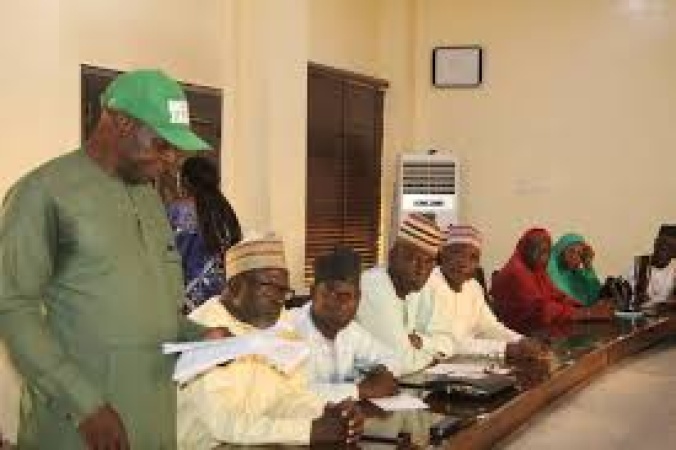
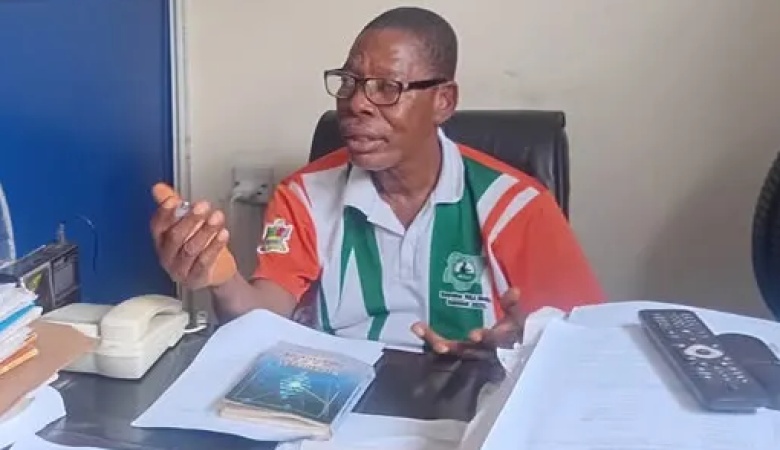
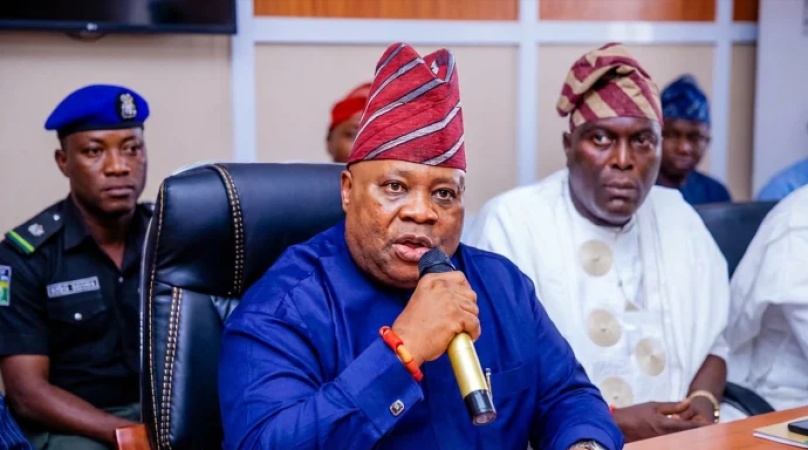
•Director CAPPA MR Akinbode Oluwafemi, Mr. Benedeth Ejiofor of NCCC, Mr Timothy Agunbiade Vice-President Bille Kingdom Youth Federation, and other stakeholders during the documentary presentation