ADAD
ADADUpdating your news feed...

NEWS EXPRESS is Nigeria’s leading online newspaper. Published by Africa’s international award-winning journalist, Mr. Isaac Umunna, NEWS EXPRESS is Nigeria’s first truly professional online daily newspaper. It is published from Lagos, Nigeria’s economic and media hub, and has a provision for occasional special print editions. Thanks to our vast network of sources and dedicated team of professional journalists and contributors spread across Nigeria and overseas, NEWS EXPRESS has become synonymous with newsbreaks and exclusive stories from around the world.
.webp)
.webp)






Loading banners
Loading banners...

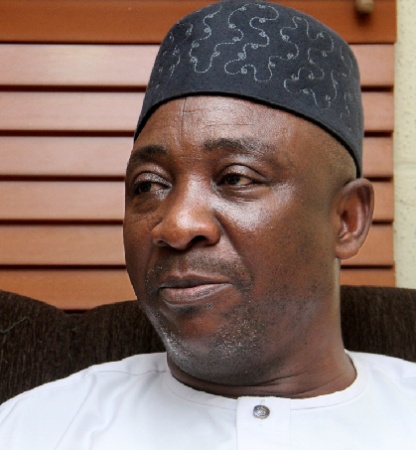
NFF President Gusau
By ABDULLAHI D MOHAMMED
Many have travelled the path of sports development, especially football administration Nigeria’s history. Yet, the lingerie problem mitigating football development in Nigeria has remain unchanged.
However, one man, has sought, through diligence, resilience and consistency to change the narrative, as far as football development is concerned.
Ibrahim Musa Gusau has steered Nigerian football with clear vision, tireless energy, and results that deserve both recognition and renewal. As the National Football Federation (NFF) prepares for its upcoming elections, later in September, in Lafiya, Nasarawa state, stakeholders must keep the process on course—and reward effective leadership when they see it. Gusau’s record shows he is the leader best placed to build on recent gains and push our football to new heights.
From day one Gusau made accountability and structure his priorities. He introduced transparent budgeting and regular reporting, ensuring clubs and grassroots programs knew where resources were going and how they were used. That discipline rebuilt trust among sponsors and local partners, unlocking support that had stalled under previous administrations. In an environment where money and management often vanish into uncertainty, Gusau’s stewardship brought clarity.
Gusau has also delivered measurable improvements in player development. He expanded youth scouting programs across communities, creating pathways for talented boys and girls to enter professional academies. The result: a deeper talent pool for clubs and the national teams, fewer late discoveries of potential, and an emerging culture of long-term development over short-term fixes. These changes are already visible on pitch results and in the increased number of players attracting regional attention.
On infrastructure, Gusau made pragmatic investments where they mattered. He prioritized refurbishing community pitches, improving training facilities, and ensuring match venues met basic safety and broadcast standards. Rather than chasing flashy stadium projects, he focused on usability and sustainability—moves that improved matchday experiences and lowered upkeep costs. This sensible approach delivered immediate benefits to players, fans, and local leagues.
Gusau’s success also comes from relationship-building. He rebuilt bridges with local government, private sponsors, and school systems to create a working coalition for football growth. Those partnerships produced joint funding for youth tournaments and scholarship programs, and they reintroduced community ownership of local clubs. By bringing diverse stakeholders to the table, Gusau multiplied the resources available to football without overburdening any single gatekeeper.
Competently managing competitions has been another hallmark of his tenure. League schedules became more reliable, refereeing standards were improved, and disciplinary processes were more consistent and transparent. These operational upgrades increased the credibility of competitions and kept players and club administrators engaged—essential ingredients for the long-term health of the game.
With the NFF elections on the horizon in September, it is critical the process proceeds smoothly and on schedule. Democracies and sporting institutions both depend on predictable, free, and fair transitions. But where an incumbent has demonstrable results and public confidence—as Ibrahim Musa Gusau does—stakeholders should consider continuity. A second term would allow Gusau to finish multi-year programs already in motion and secure longer-term sponsorship and infrastructure deals that require time to bear fruit.
Choice in leadership is not merely about personality; it is about progress. Gusau has converted promises into programs, ideas into functioning systems, and goodwill into measurable outcomes. Rewarding that record with another term is not cronyism; it is pragmatic voting for stability, continued development, and further advancement of Nigerian football.
The upcoming election should therefore proceed as planned, transparent and fair, with voters weighing results as much as rhetoric. For those who want a football environment where young talents are nurtured, facilities are reliable, competitions are credible, and community partnerships flourish, the sensible option is to support Ibrahim Musa Gusau for a second term. Doing so will keep our football moving forward—on and off the pitch.