ADAD
ADAD
Updating your news feed...
NEWS EXPRESS is Nigeria’s leading online newspaper. Published by Africa’s international award-winning journalist, Mr. Isaac Umunna, NEWS EXPRESS is Nigeria’s first truly professional online daily newspaper. It is published from Lagos, Nigeria’s economic and media hub, and has a provision for occasional special print editions. Thanks to our vast network of sources and dedicated team of professional journalists and contributors spread across Nigeria and overseas, NEWS EXPRESS has become synonymous with newsbreaks and exclusive stories from around the world.


















Loading banners
Loading banners...

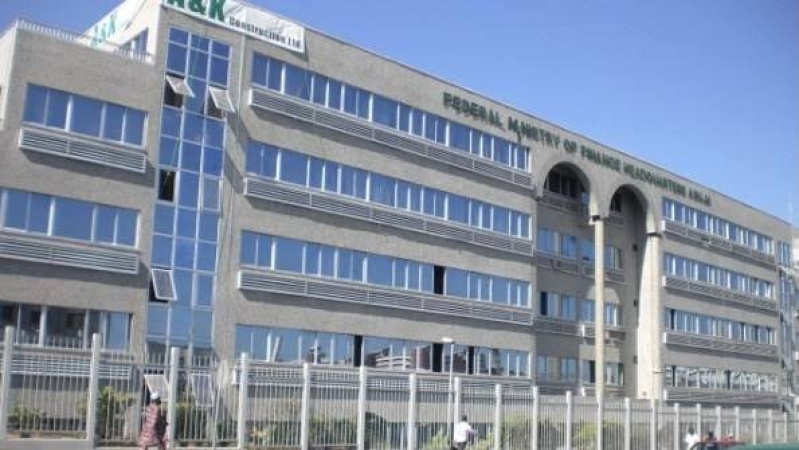
Nigeria's Debt Management Office
Nigeria’s total public debt has climbed to N159.27 trillion, rising by N14.6 trillion in just one year as the federal and state governments continue to borrow to fund their operations and projects.
The latest figure released by the Debt Management Office (DMO) shows that the country’s debt rose from N144.67 trillion at the end of December 2024 to N159.27 trillion by December 31, 2025.
The increase means that Nigeria added about N14.6 trillion to its debt burden in 12 months, representing a 10.1 per cent rise.
The debt also increased by N5.98 trillion from N153.29 trillion recorded at the end of September 2025.
The latest debt stock covers the obligations of the federal government, the 36 states and the Federal Capital Territory.
Of the N159.27 trillion total, N84.84 trillion is domestic debt, while N74.42 trillion is external debt.
Domestic debt, therefore, accounts for more than half of Nigeria’s total public debt, with the balance owed to foreign lenders.
The rising debt comes as the government faces the challenge of funding infrastructure, security, social programmes and other public services while struggling to raise enough revenue.
Nigeria’s domestic debt increased by N10.47 trillion during the year, from N74.38 trillion in December 2024 to N84.84 trillion in December 2025. This represents a 14.1 per cent increase.
External debt also rose from N70.29 trillion to N74.42 trillion within the same period, an increase of N4.14 trillion.
The figures show that the government relied heavily on both local and foreign borrowing during the year.
The increase in the naira value of external debt is also influenced by exchange-rate movements because much of the foreign debt is denominated in dollars and other foreign currencies.
The 36 states and the FCT also contributed to the increase in domestic debt.
According to the DMO, their combined domestic debt rose from N3.97 trillion in December 2024 to N4.36 trillion at the end of 2025.
Lagos recorded the largest increase, followed by the FCT and Kaduna.
However, some states reduced their debt during the period, showing that the borrowing pattern varies across the country.
The growing debt stock has renewed concerns about the amount of government revenue being used to service existing loans.
Borrowing is not necessarily harmful if the money is invested in productive projects that create jobs, increase economic activity and generate enough revenue to repay the loans.
The bigger concern is when the government borrows to fund recurrent expenditure while revenue remains weak.
Nigeria has historically struggled with low government revenue compared with the size of its economy.
The World Bank’s Nigeria country director, Mathew Verghis, summed up the problem by saying: “Nigeria doesn’t have a high indebtedness problem, it has a low revenue problem.”
The argument is that stronger revenue collection would give the government more room to service its debt without squeezing spending on essential services.
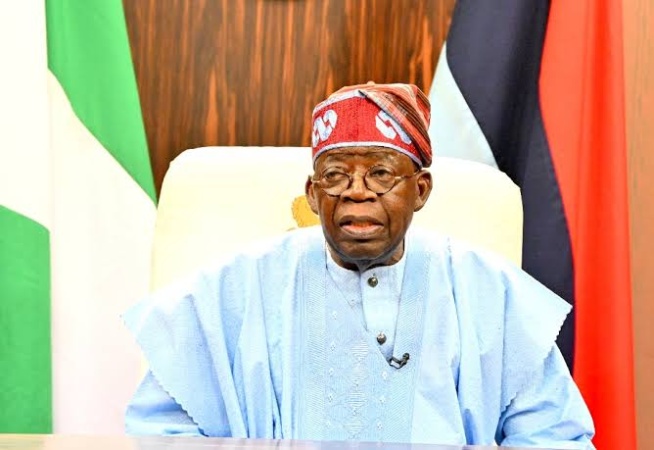
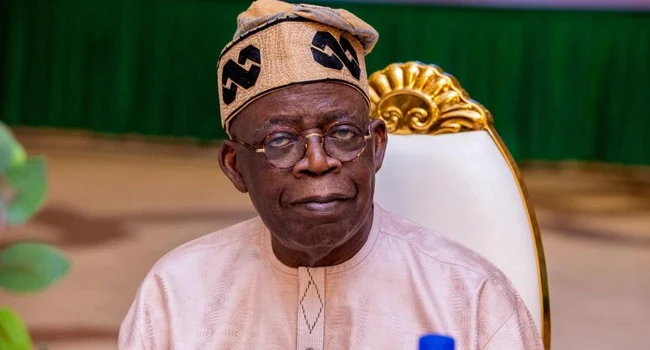
The Tinubu administration has continued to defend borrowing, arguing that loans are necessary to finance infrastructure and other projects that can support economic growth.
President Bola Tinubu has also sought legislative approval for additional external borrowing to fund government programmes and infrastructure.
The key issue, however, is what the borrowed funds are used for and whether they produce enough economic benefits to justify the debt.
With the public debt now at N159.27 trillion, pressure is mounting on the government to increase revenue, reduce waste and ensure that every borrowed naira is used for projects capable of generating economic value.
For ordinary Nigerians, the debt figure matters because the government ultimately repays its loans from public revenue.
This means that as debt and debt-servicing costs rise, more government income could be committed to repaying old loans, leaving less money for roads, schools, hospitals, security and other public needs.
The challenge for Nigeria, therefore, is not only to stop reckless borrowing but to ensure that every new loan helps the economy grow enough to make repayment less difficult in the future. (The Sun)